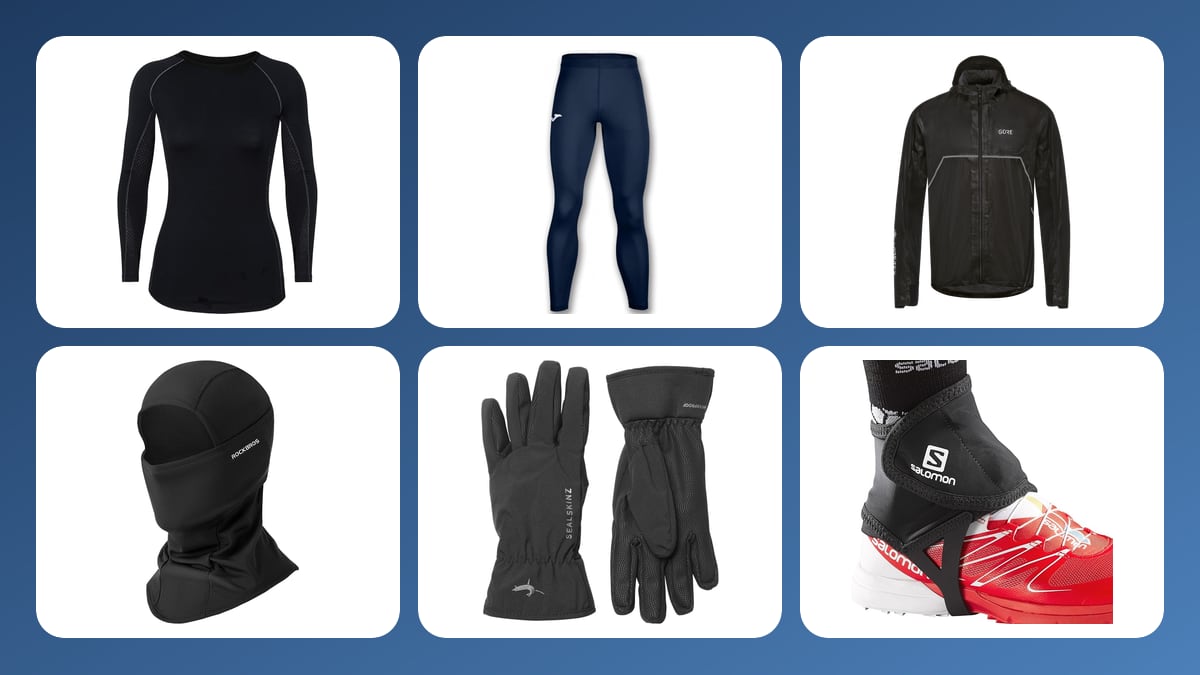
Head and neck
In snow or hard frost, cover ears and head: a windproof balaclava in a blizzard, or a headband plus a buff pulled up to the face. A lot of heat escapes through the head and ears.
- Top pick
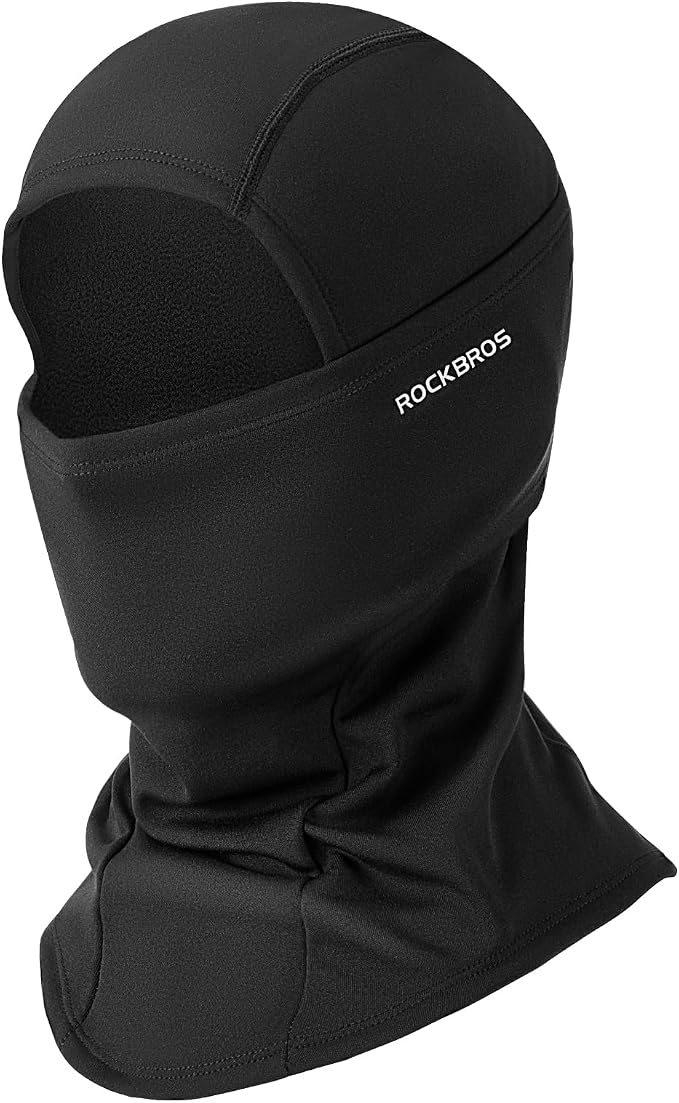 ROCKBROSROCKBROS Pasamontañas Térmico y CortavientoThermal windproof balaclava covering head, ears, cheeks and neck. Designed for cycling and motorcycling, it works just as well on windy, freezing trail runs.See ROCKBROS Pasamontañas Térmico y Cortaviento on Amazon(se abre en una pestaña nueva)
 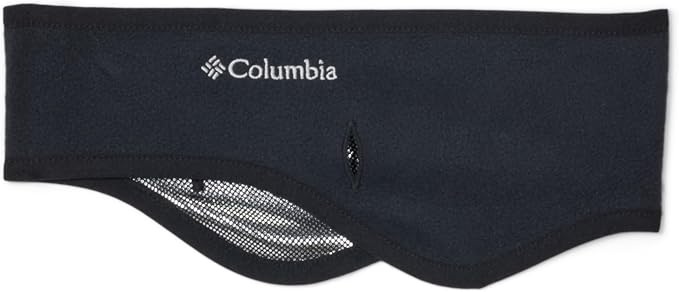 ColumbiaColumbia Trail Shaker Headring Diadema de Invierno UnisexUnisex winter headband that covers the ears but not the crown: warms where you lose heat and vents once you warm up. Light and easy to stash in a pocket.See Columbia Trail Shaker Headring Diadema de Invierno Unisex on Amazon(se abre en una pestaña nueva)
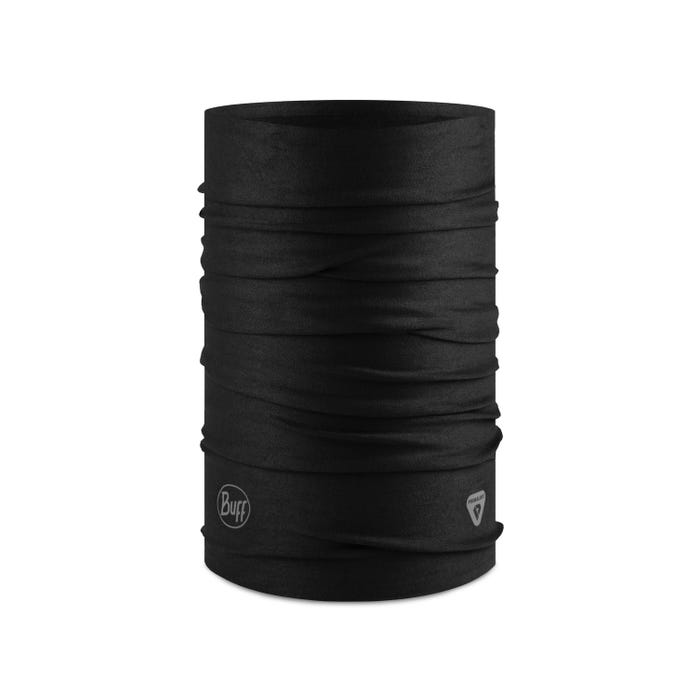 BuffBuff ThermonetBuff tubular térmico con tecnología Primaloft. Retiene el calor corporal, ultraligero y polivalente: gorro, braga, cinta. Ideal para alta montaña.See Buff Thermonet on Amazon(se abre en una pestaña nueva)