Head and neck
Thin buff or headband that covers the ears: the best warmth-to-weight item you can carry.
- Top pick
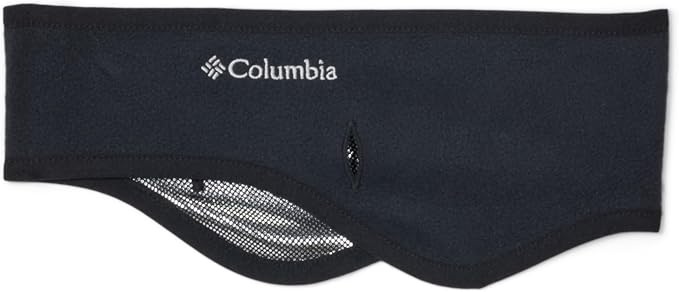 ColumbiaColumbia Trail Shaker Headring Diadema de Invierno UnisexUnisex winter headband that covers the ears but not the crown: warms where you lose heat and vents once you warm up. Light and easy to stash in a pocket.See Columbia Trail Shaker Headring Diadema de Invierno Unisex on Amazon(se abre en una pestaña nueva)
  BuffBuff Midweight MultifuncionalMidweight multifunctional tubular made from recycled materials. Versatile for hiking and trail: neck gaiter, headband, thin beanie or face cover. Good balance of warmth and breathability for three-season use.See Buff Midweight Multifuncional on Amazon(se abre en una pestaña nueva)
 BuffBuff Original MultifunctionalBuff's original seamless multifunctional tubular in stretch microfiber. The most versatile entry-level option: neck gaiter, hairband, bandana or thin hat. The basic reference for anyone starting out in trail running.See Buff Original Multifunctional on Amazon(se abre en una pestaña nueva)