Real food for ultras 2026: the best natural alternatives to gels
 (se abre en una pestaña nueva)
 (se abre en una pestaña nueva)
 (se abre en una pestaña nueva)
 (se abre en una pestaña nueva)
How we choose
We compare every model on verified technical specs (weight, materials, price), user reviews and our own experience running and testing gear in races from 21K to 100K+. We update this guide when prices change or new models launch. Some links are affiliate links: if you buy through them, TrailRunTemple earns a commission at no extra cost to you and with no influence on the selection.
Our picks by use case
- #1Best Direct Gel Replacement: Propol-mel Miel en Sticks Propol-melView on Amazon →(se abre en una pestaña nueva)
- #2Best Calorie Density: Dorimed Dátiles Medjool DorimedView on Amazon →(se abre en una pestaña nueva)
- #3Best Race-Ready Format: Gourmet Latino Bocadillo de Guayaba Gourmet LatinoView on Amazon →(se abre en una pestaña nueva)
- #4Best Heat Resistance: La Membrillera Membrillo Artesano La MembrilleraView on Amazon →(se abre en una pestaña nueva)
- #5Best for Cramp Prevention: Mundo Feliz Orejones de Albaricoque Ecológicos Mundo FelizView on Amazon →(se abre en una pestaña nueva)
- #6Best to Break Sweet Fatigue: Guillermo Chips de Plátano Deshidratado GuillermoView on Amazon →(se abre en una pestaña nueva)
All products in this guide
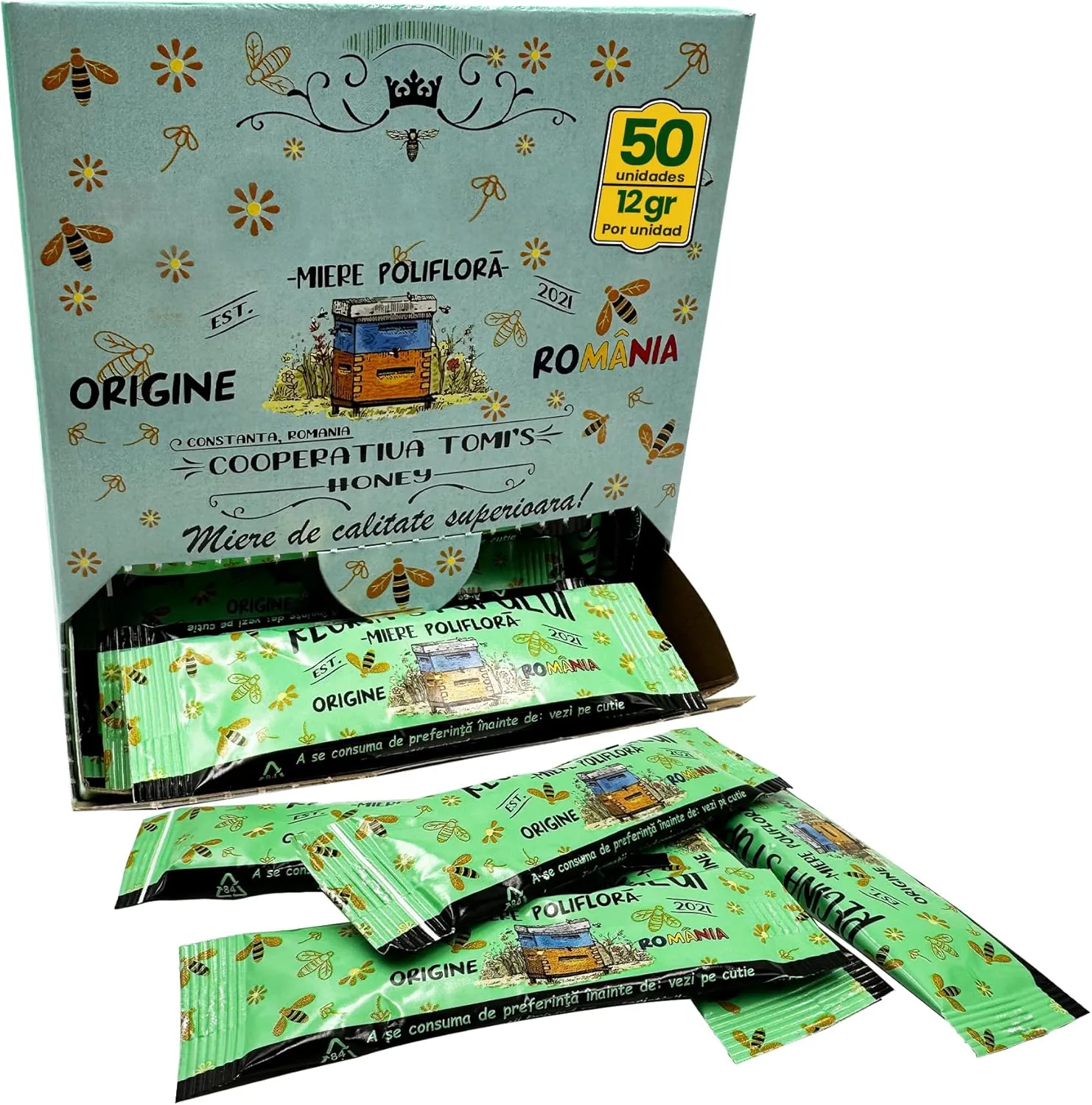
Propol-mel
Miel en Sticks Propol-mel
Single-dose pure polyfloral honey sticks. Open with your teeth and take like a liquid gel, but 100% natural. Fast carbohydrate absorption with no artificial ingredients. Compact format ideal for carrying in your vest.
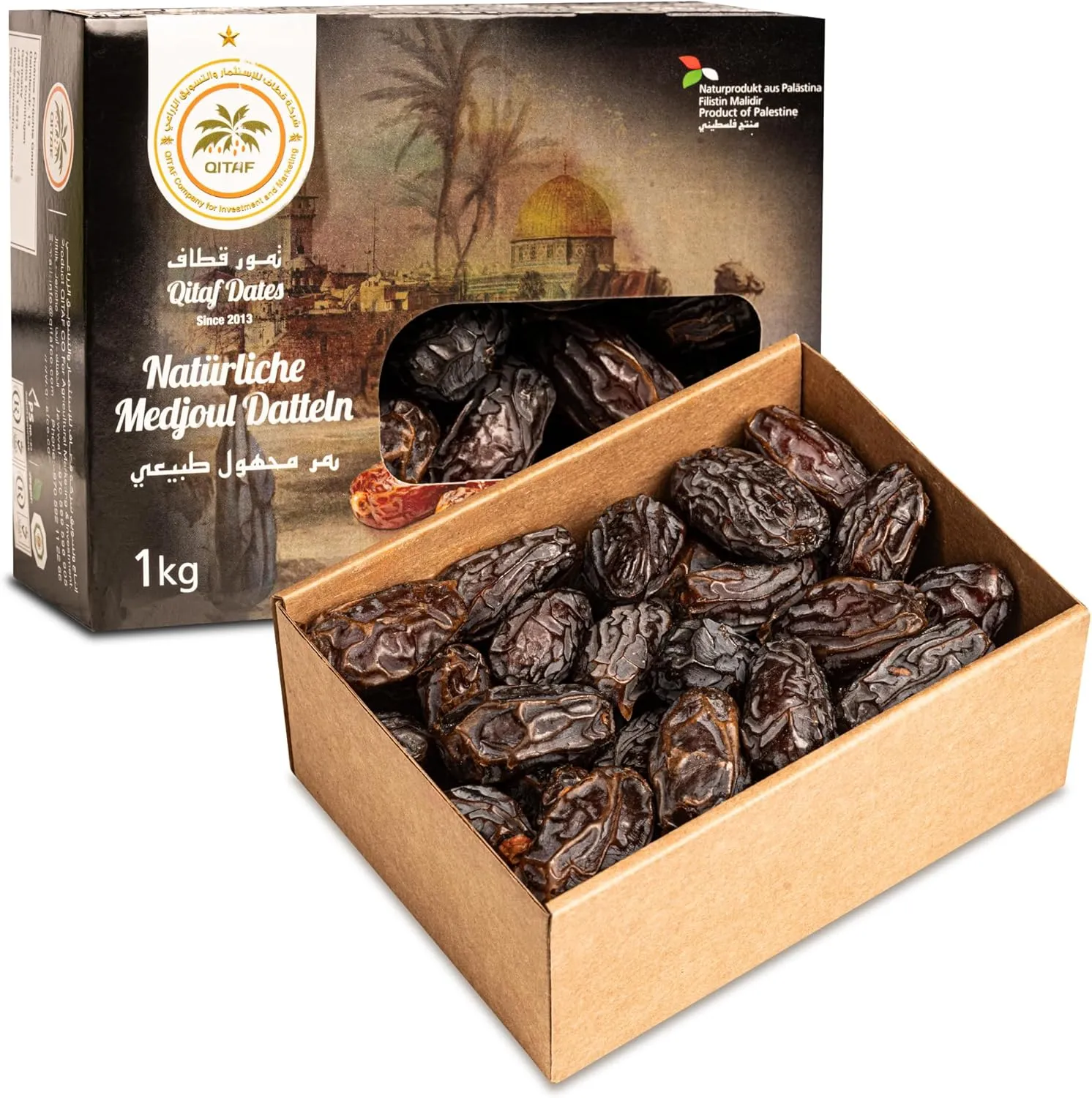
Dorimed
Dátiles Medjool Dorimed
Palestinian Medjool dates, large and juicy. Each one delivers around 18 g of carbohydrates in a very compact format. Soft texture, easy to chew and with extremely high caloric density. The classic choice among runners looking for natural alternatives to gels.
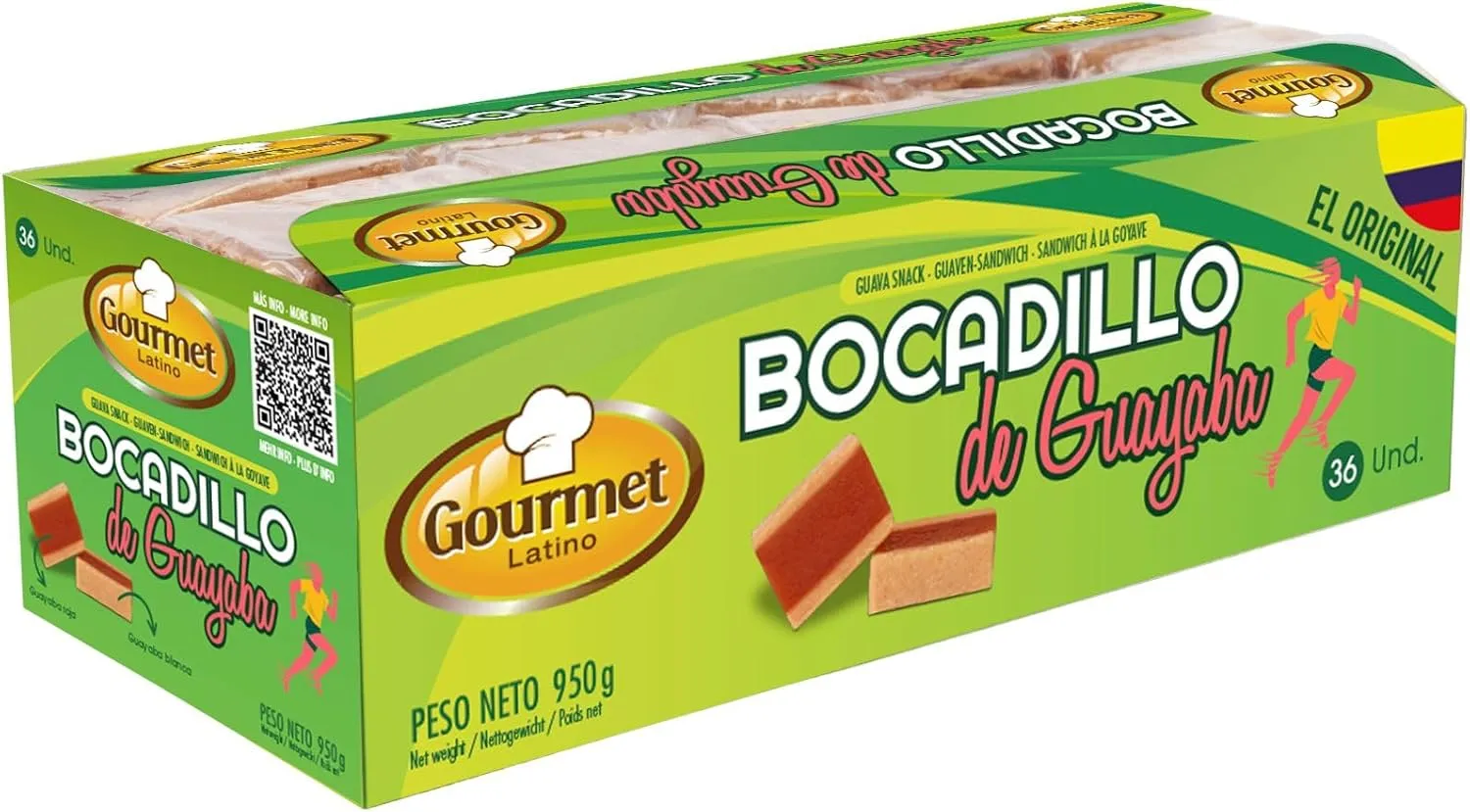
Gourmet Latino
Bocadillo de Guayaba Gourmet Latino
Natural guava bar in individual 26 g format. High in vitamin C and fast-absorbing carbohydrates. Solid texture with easy-open wrapper, perfect for carrying during races. Intense sweet flavor that delivers immediate energy without needing water.
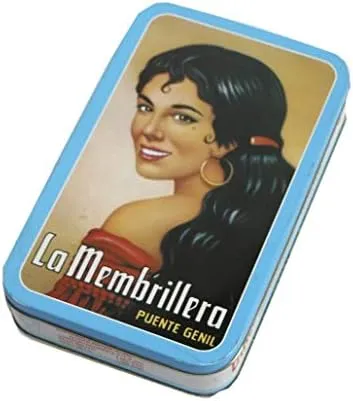
La Membrillera
Membrillo Artesano La Membrillera
Artisan quince paste in a 500 g tin. Firm texture ideal for cutting into cubes and carrying in small bags. Around 18 g of carbohydrates per 30 g serving. Natural sweet flavour, compact and heat-resistant. Spanish gourmet product with no preservatives.
Mundo Feliz
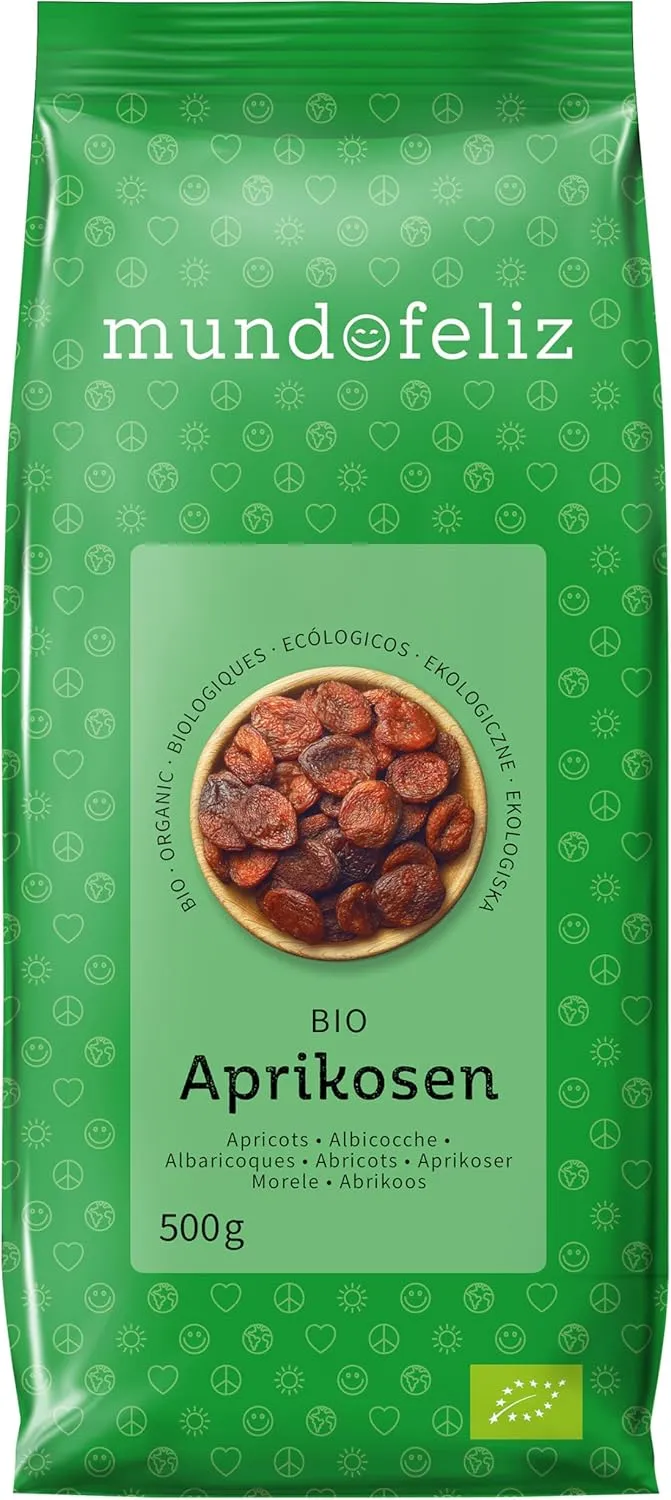
Orejones de Albaricoque Ecológicos Mundo Feliz
Organic dried apricots in a 500 g bag. Around 10 g of carbohydrates per piece with natural potassium that helps prevent cramps. Lightweight, do not melt and need no wrapping. Organic certification.
Guillermo
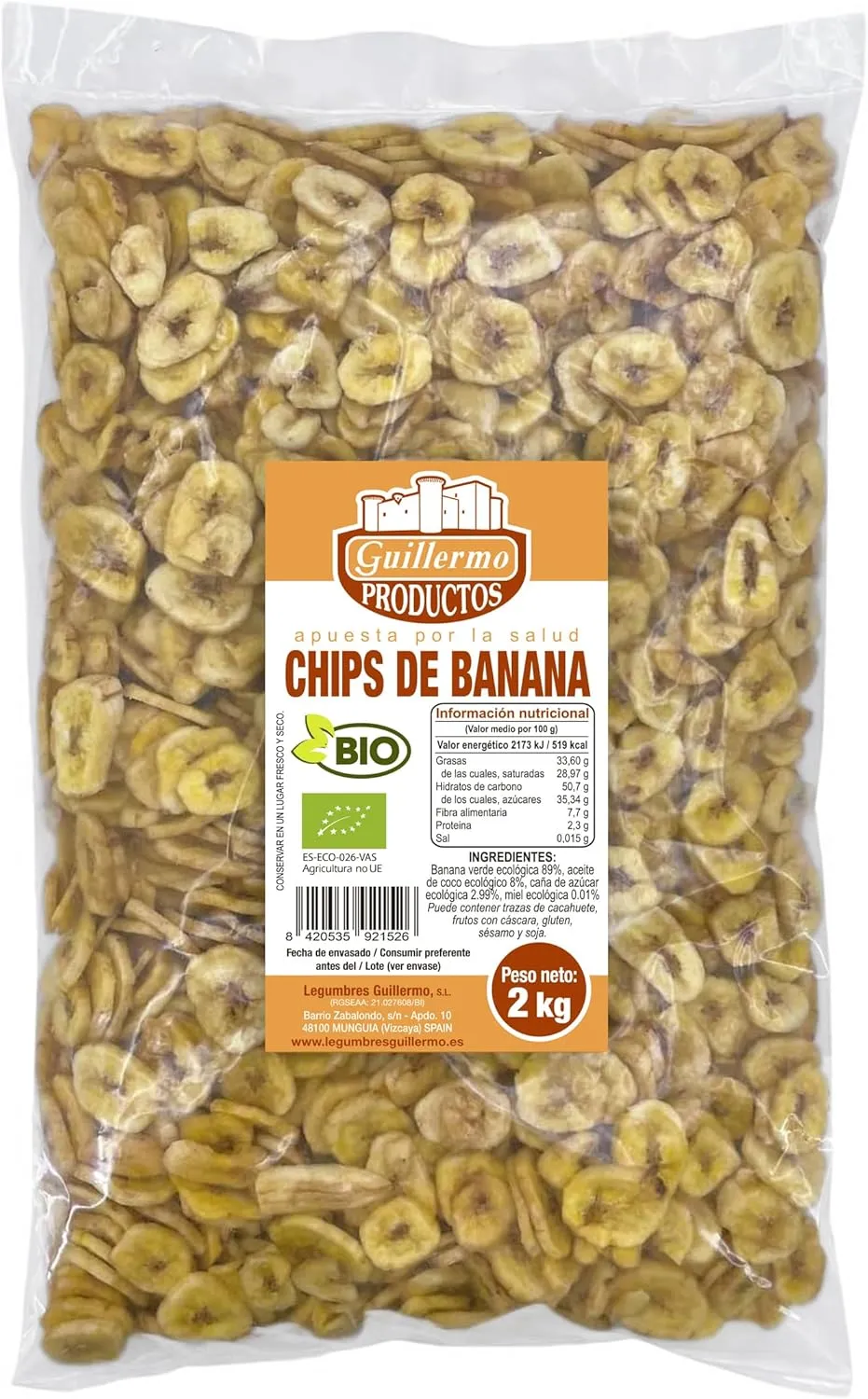
Chips de Plátano Deshidratado Guillermo
100% natural dried banana chips. Crunchy, lightweight with good carbohydrate and potassium content. 2 kg bag format to refill individual pouches. Easy to eat while running without much chewing.
In a long ultra, almost nobody drops out because their legs are done: they drop out because their stomach shuts and not one more gel will go down. From the sixth or seventh hour, concentrated sweet becomes cloying, the sticky texture triggers a gag reflex and your brain rejects the next sachet before you’ve even opened it. Real food solves that problem: actual carbohydrates in formats your body still accepts when the gel no longer works. This guide covers the best natural alternatives to gels, how many carbs each one delivers and how to combine them with your strategy without running short on energy.
It’s the sister guide to best gels and nutrition for ultra trail and best salt tablets and sodium capsules: real food for energy, gels for the moments of maximum intensity and salts separately for the heat.
Summary comparison table
| Product | Type | Carbohydrates | Sodium / potassium | Heat-resistant | Buy |
|---|---|---|---|---|---|
| Propol-mel honey sticks | Single-dose liquid honey | ~12 g per stick | Low | So-so (softens) | Amazon → |
| Dorimed Medjool dates | Compact fresh fruit | ~18 g per date | High potassium | Poor (they stick) | Amazon → |
| Gourmet Latino guava bar | Individual fruit paste | ~20 g per unit (26 g) | Low | Good | Amazon → |
| La Membrillera quince paste | Bulk fruit paste | ~18 g per 30 g cube | Low | Very good | Amazon → |
| Mundo Feliz dried apricots | Dried fruit | ~10 g per piece | High potassium | Very good | Amazon → |
| Guillermo banana chips | Crunchy dried fruit | ~7 g per small handful | Medium potassium | Very good | Amazon → |
All available on Amazon with fast delivery. The links go to the live, up-to-date price. Carbohydrate grams are approximate and vary with the size of each piece.
Why put real food in an ultra
Gels are designed for efficiency: maximum carbs in minimum volume, fast absorption and added sodium. For a mountain marathon or the first hours of an ultra they’re hard to beat. The problem is repetition.
- Flavour fatigue. After six or seven gels, your palate rejects concentrated sweet. Eating becomes an unpleasant chore and you start skipping feeds.
- Gastric saturation. Concentrated gels need water to digest. Hour after hour, the stomach fills up, bloats and stops emptying. Real food, more dilute and with some fibre or fat, changes the stimulus and often restarts digestion.
- Chewing anchors your head. In the psychologically hard phase of an ultra, stopping thirty seconds to chew a date or a handful of chips breaks the monotony better than swallowing another sachet.
- Cost. One date delivers the carbs of half a gel for a fraction of the price. Over a whole season of long runs, the difference adds up.
Real food doesn’t replace gels: it complements them. The strategy that works best over long distances is gels and sports drink on the climbs and fast sections, real food on the long descents, the flats and the aid stations.
How many carbs you need and how to spread them
The reference for efforts longer than two or three hours is 60 to 90 g of carbohydrate per hour (stomachs trained through practice reach 100-120 g/h, but that’s built in training, not improvised). Translated into real food:
- 60 g/h with dates: around 3-4 Medjool dates per hour.
- 60 g/h with guava or quince: 3 guava bars, or 3-4 quince cubes.
- A realistic mix for hour 7 of an ultra: 1 gel (25 g) + 2 dates (36 g) = 61 g, alternating liquid and solid texture.
One important warning: dried fruit carries a fair amount of fibre. Apricots, dates and banana chips in quantity can cause gut trouble if they’re your only source for hours. Use them spread out and combined with gels or fruit paste (guava, quince), which have almost no fibre.
How to prep real food for a race
Real food has a logistical cost that gels don’t: you have to prepare it.
- Portion into small zip bags. Servings of 3-4 dates or a handful of chips, one per estimated race hour. Label with the planned time if it helps you not forget.
- Pit the dates at home. Nobody wants to deal with a stone while running a technical trail. Buy them pitted or remove the stone with a knife tip the night before.
- Cut the quince paste into bite-sized cubes and separate them with a little baking paper so they don’t stick.
- Split between front pockets and drop bag. The first hours’ food in the vest; the second half in the drop bag or the crew car.
- Think about the heat. Above 25 °C, dates turn into a sticky mass. That’s where quince, guava and apricots win, holding up without melting.
Individual analysis of the 6 best options
1. Propol-mel honey sticks — Best direct gel replacement
Propol-mel honey sticks are the closest thing to a gel in the real-food world: pure polyfloral honey in single doses that you open with your teeth and take like a liquid gel. Fast glucose and fructose absorption, zero artificial ingredients and a compact format that fits any vest pocket. They deliver fewer carbs than a dedicated gel (around 12 g versus 25) and the rigid wrapper can dig in, but for anyone wanting to go natural without changing their habit, it’s the easiest transition.
Ideal for: runners who do well on gels but want to drop the additives, and for the first half of a race, while you still tolerate liquid texture.
See Propol-mel honey sticks on Amazon →2. Dorimed Medjool dates — Best calorie density
Medjool dates are the classic among ultrarunners who eat natural, and for good reason: each one packs around 18 g of carbohydrate into a minimal volume, with potassium and magnesium that help with cramps. The soft texture chews down easily even with a dry mouth. The two drawbacks are well known: they stick to each other and everything in the heat, and they come with a stone, so you have to pit them at home or buy them already pitted.
Ideal for: your main natural energy source in temperate or cool weather. The best balance of calories, price and ease of eating.
See Dorimed Medjool dates on Amazon →3. Gourmet Latino guava bar — Best race-ready format
The guava bar comes in individual 26 g units with an easy-open wrapper, so there’s nothing to prepare: you carry it as is and open it one-handed while running. Solid texture that doesn’t melt or get crushed in the pack, high vitamin C content and fast-absorbing carbs. The flavour is very sweet and intense, so it tires if it’s your only option, but as an “open and eat” resource with no prep it has no rival among the natural alternatives.
Ideal for: anyone who doesn’t want to spend the afternoon before the race cutting and bagging, and to carry in the vest alongside gels as a solid emergency option.
See Gourmet Latino guava bar on Amazon →4. La Membrillera quince paste — Best heat resistance
Quince paste is firm fruit paste that you cut into cubes and that handles heat better than almost any other option: it doesn’t melt, doesn’t clump and doesn’t stain your pocket. Around 18 g of carbohydrate per 30 g serving, natural sweet flavour with no preservatives and a Spanish product easy to restock in any supermarket. You have to cut and bag it before the race, and it doesn’t come in individual format, but for summer races in the Canaries or the Levante it’s one of the most reliable choices.
Ideal for: ultras in the heat where dates turn into an unmanageable paste. Combine it with dried apricots to add potassium.
See La Membrillera quince paste on Amazon →5. Mundo Feliz dried apricots — Best for cramp prevention
Dried apricots deliver around 10 g of carbohydrate per piece and, above all, a good dose of natural potassium, the electrolyte most often forgotten when talking about cramps. They’re light, organic, don’t melt and their sweet-tart flavour cuts through the sugary monotony of the rest of your nutrition. Fibre is their weak point: eaten in excess and back to back they can cause gut trouble, so they work better spread out, one or two pieces every half hour.
Ideal for: runners prone to cramps and for slotting between gels when your palate wants something that isn’t pure sweet.
See Mundo Feliz dried apricots on Amazon →6. Guillermo banana chips — Best to break sweet fatigue
Dried banana chips are the crunchy option: they deliver fewer carbs per volume than a date (around 7 g per small handful) and some potassium, but their value is in the texture. After hours of soft gels and sticky fruit, something that crunches and doesn’t taste of sugar reawakens your appetite. They come in a large format to refill pouches and don’t spoil in the heat.
Ideal for: the complement that breaks flavour fatigue mid-race, not as a main energy source. A handful every hour between gel feeds.
See Guillermo banana chips on Amazon →Real food vs gels: when to reach for each
| Situation | Best option |
|---|---|
| First 3 hours, high pace | Gels + sports drink |
| Long climbs and technical sections | Gels (one hand free, no chewing) |
| Long descents and rolling flats | Real food (time to chew) |
| Hour 6 onwards, sweet overload | Real food, the less sweet the better |
| Heat above 25 °C | Quince, guava, apricots (not dates) |
| Cold and short effort (< 3 h) | Gels: the logistics aren’t worth it |
| Aid station with a stop | Real food + whatever the organisation offers |
Verdict: in races under three or four hours, gels win on convenience and it’s not worth the hassle. Beyond that, every hour that passes tips the scale towards real food, to the point that in the final phase of a 100-mile ultra many people live almost entirely on fruit, broth and aid-station solids.
5 common mistakes with real food
-
Trying it out on race day. Real food needs as much rehearsal as gels: you have to know how many dates you tolerate per hour and whether apricots sit well while running. Test it on your long runs.
-
Relying only on dried fruit. Dates, apricots and chips together add up to a lot of fibre. With no gels or fruit paste in the mix, the gut eventually protests.
-
Not counting carbs. “I eat natural fruit” isn’t a plan. A date is 18 g, a handful of chips is 7. Do the maths to hit your real 60-90 g/h.
-
Ignoring the heat when choosing. Packing a bag of Medjool dates for a July ultra in the Canaries guarantees you’ll end up with an unusable sticky mass. Choose quince or guava.
-
Forgetting sodium. Real food provides potassium but little sodium. You still need salt tablets or a sports drink to cover the sodium you lose in sweat.
Frequently asked questions
Can you run an ultra on real food alone, without gels?
Yes, plenty of people do, especially over 100 km or more where the pace is low and there’s time to digest. It takes more rehearsal, careful planning of carbs per hour and mixing sources so you don’t overload on fibre. For fast races under four hours, gels are still more efficient.
Which real food delivers the most energy per weight?
Medjool dates, with around 18 g of carbohydrate per piece and very little volume. Guava paste and quince come next. Banana chips and dried apricots are lighter on carbs and are worth more as a texture and potassium complement.
Does dried fruit cause stomach problems?
It can if it’s your only source for hours, because of the fibre load. Spread out in small amounts and alternated with gels or fruit paste (which have almost no fibre), most runners tolerate it well.
How do I stop dates turning into a sticky mass?
In the heat there’s no perfect fix: pit them, bag them in small servings and carry them in the pockets that get least warm. If you expect more than 25 °C, switch to quince, guava or apricots, which hold up without melting.
Do honey sticks replace a gel one for one?
In texture and how you take it, yes. In carbs, no: one stick delivers around 12 g versus the 25 of a standard gel, so you need double to match the dose. Adjust the number of feeds accordingly.
What do I take if I don’t want to prep anything at home?
The guava bar, which already comes in individual units with a wrapper. Everything else (dates, quince, apricots, chips) needs pitting, cutting or bagging the night before.
Is there a good alternative to Maurten gels for an ultra?
For the second half of a long ultra, yes: real food. Maurten Gel 100 delivers 25 g of carbs in a neutral hydrogel, but by hour six the issue is rarely the formula — it’s that your stomach rejects one more sweet sachet. Medjool dates (18 g each) and honey sticks (12 g) give you real carbohydrate in a texture your gut still accepts, at a fraction of the price per gram. If you want a like-for-like gel swap instead, compare the options in our best ultra trail gels guide. The smart play is to run the first hours on gels and shift to real food as the sweet fatigue sets in.
Final verdict: our pick
- If you want to go natural without changing your habit: Propol-mel honey sticks
- If you want the most energy per weight: Dorimed Medjool dates
- If you don’t want to prep anything at home: Gourmet Latino guava bar
- If you run in the heat: La Membrillera quince paste
- If you’re prone to cramps: Mundo Feliz dried apricots
- If you need to break the sweet overload: Guillermo banana chips
Real food isn’t about replacing gels, it’s about having something to keep eating when the gel stops going down. Rehearse the amounts on your long runs, count the carbs just as you would with gels and match the mix to the day’s heat. That’s the plan that survives the final hours of an ultra.
Other guides you might find useful
Races where you'll need this gear

Transgrancanaria
128K, 83K, 44K, and 30K crossing Gran Canaria from north to south
Read more →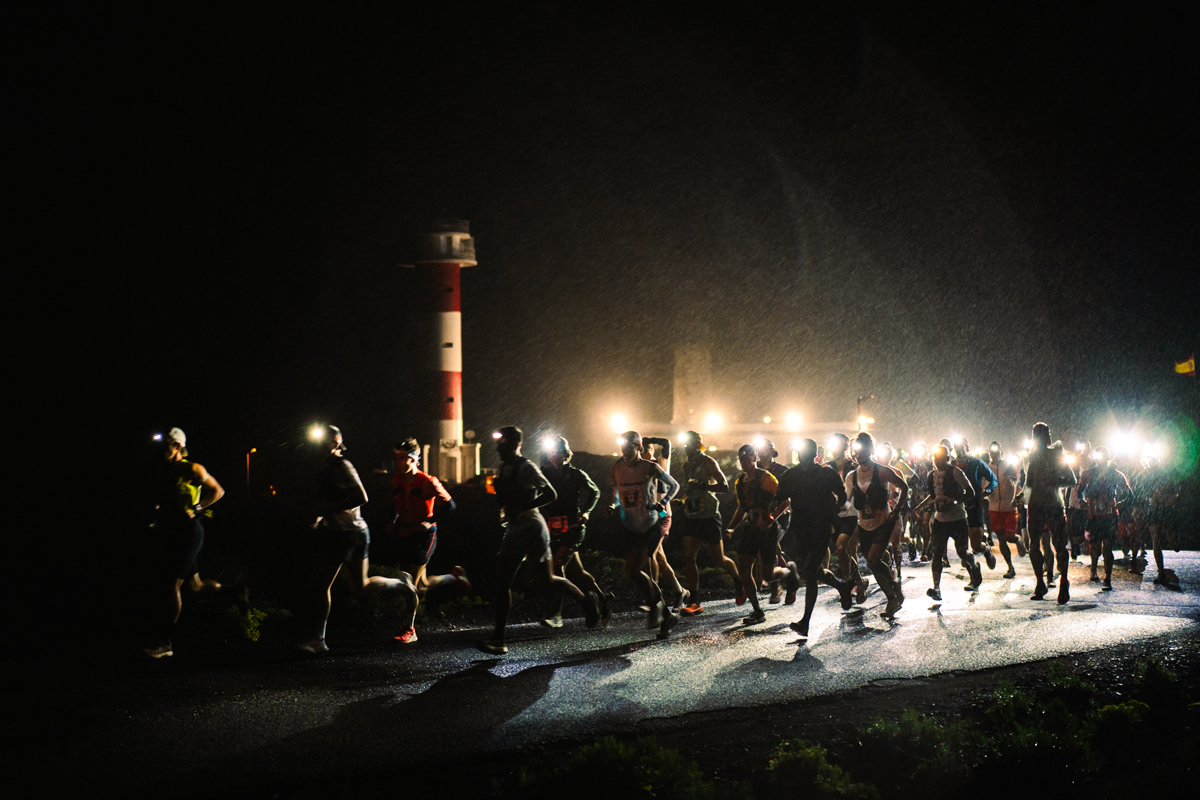
Transvulcania
73K, 43K, 25K, and VK crossing La Palma along the Ruta del Bastón
Read more →
Ultra Pirineu
100K, 54K, and 30K along the Cadí Range in the Catalan Pyrenees
Read more →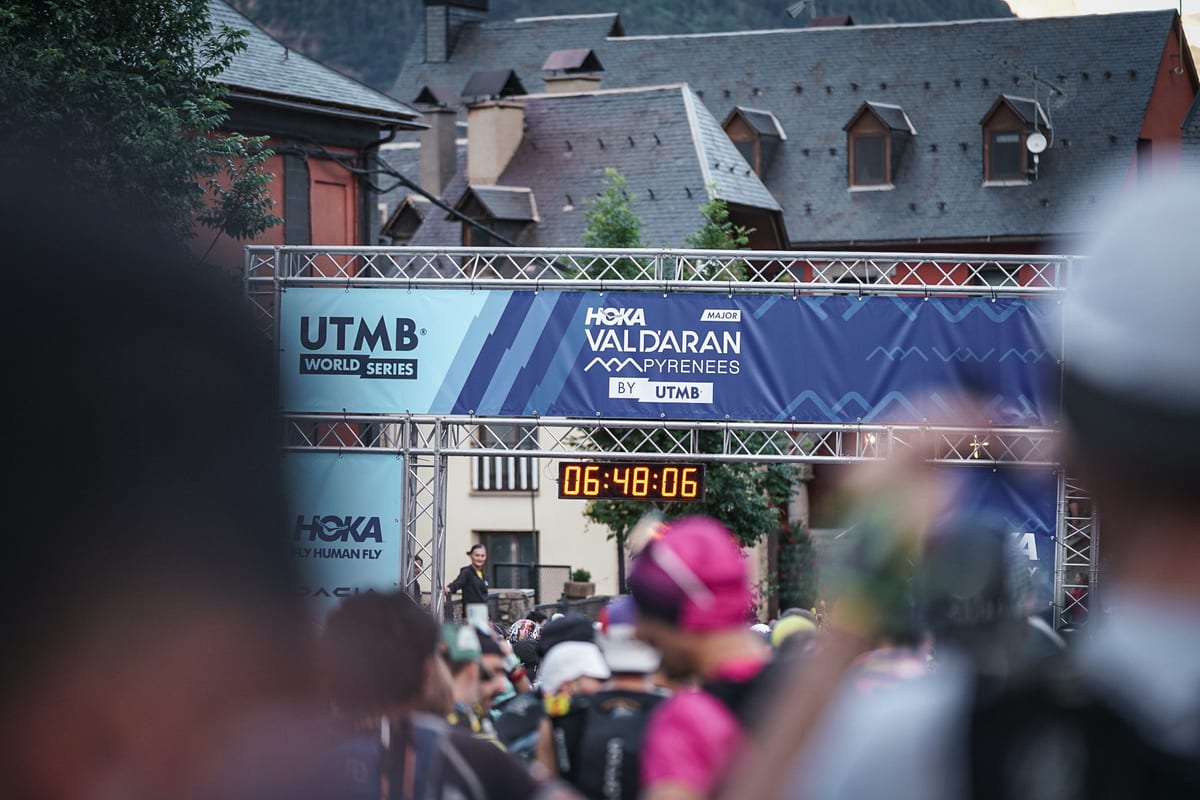
HOKA Val d'Aran by UTMB
163K, 110K, 75K, 55K, 32K and more through the Pyrenees of Val d'Aran — European Major UTMB World Series
Read more →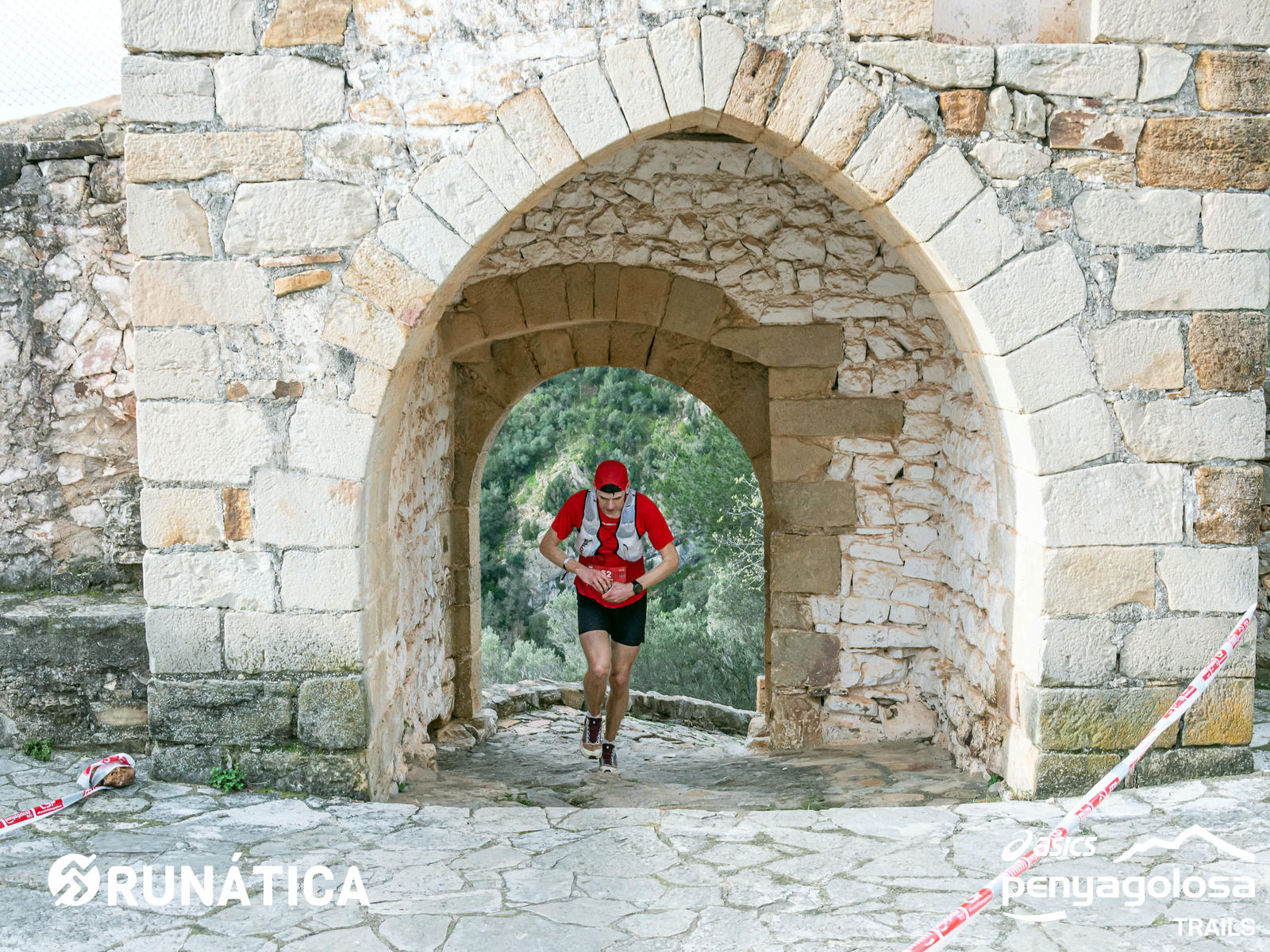
Penyagolosa Trails
106K and 60K from Castellón to the Penyagolosa summit via the GR-33
Read more →