Caffeine and sleepiness in a night ultra: when to take it so you don't crash at 4 a.m.
In an ultra that runs through the night, the enemy is rarely leg fatigue: it is sleepiness. Around 3-5 a.m. your body is wired to sleep, your pace drops, your head starts to nod, and runners wobble on terrain they would handle without thinking in daylight. Caffeine is the cheapest and best-studied tool for that window, but it only works if you save it for when you need it.
This guide stays practical: how much caffeine, when, in which format, and what to do when it is no longer enough.
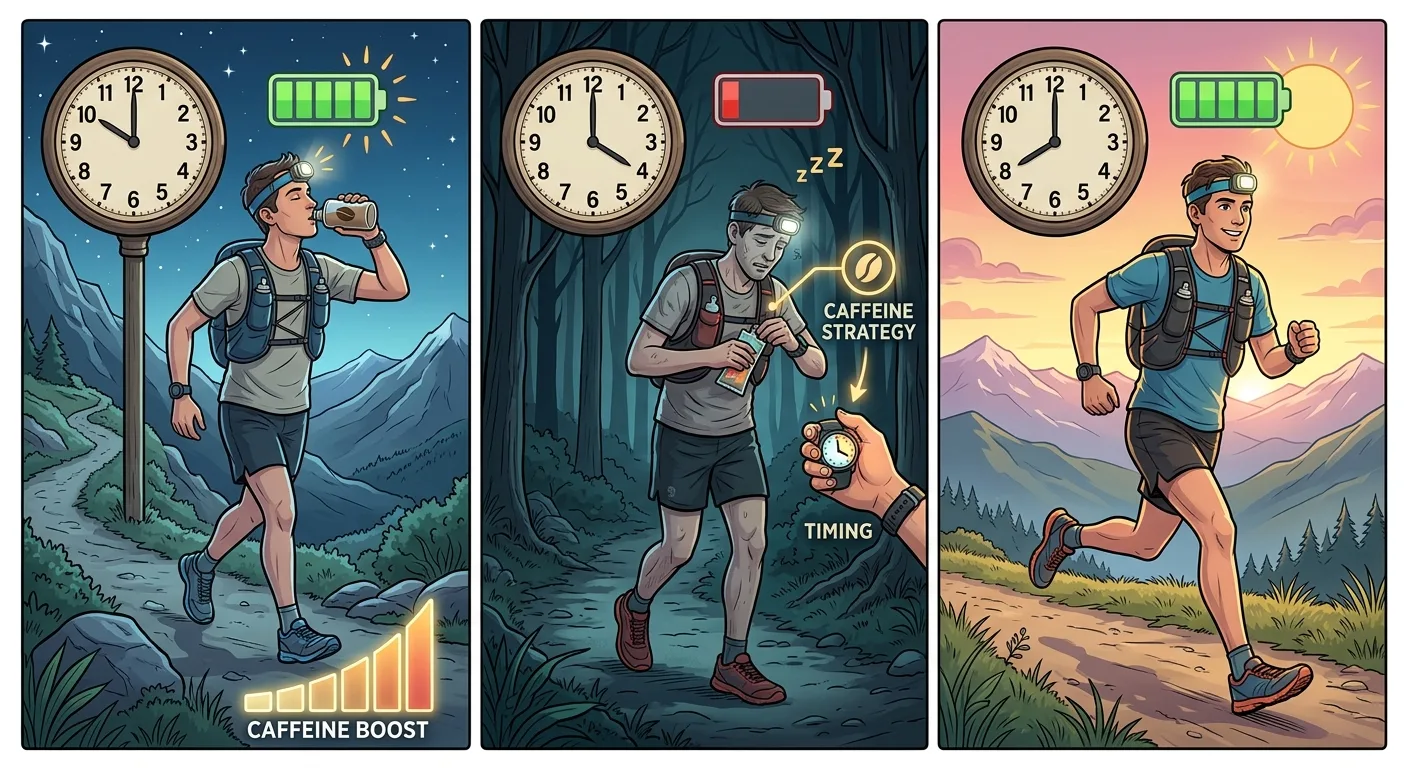
Caffeine in a night ultra: the golden rule
Don’t burn it early. Caffeine loses its punch if you take it continuously from the start. The strategy that works best is to arrive at the night “clean” and use it as a booster during the sleepiest hours.
Simple rules:
- Skip caffeine in the first hours if the race starts in the evening or at night, unless you already have a clear habit with it.
- Moderate, spread-out doses: instead of one big dose, take small ones (around 1-3 mg per kg of body weight) every few hours during the critical window. High doses don’t improve alertness and they raise the risk of a racing heart, nausea or anxiety.
- Test everything in training: a long run that finishes at dawn is the only reliable rehearsal. Nothing new on race day.
- Count total caffeine: coffee at aid stations, gels, capsules and soft drinks all add up. Keep track or you’ll overshoot without noticing.
If you are very sensitive to caffeine or have heart or anxiety issues, talk to your doctor before using it as a race strategy.
The three formats you can carry
Caffeinated gel or fuel
The most convenient option because it delivers carbs and caffeine in one go. Useful for the early-morning stretch, when you have to eat anyway.

Note: it is a large format with a high caffeine dose, so it is not meant to be taken several times in a row. Think of it as “the” boost of the night, not your base fuel.
Salt capsules with caffeine
Key advantage: they separate caffeine from carbohydrates. You can dose to taste without changing your gel plan, and replace sodium at the same time. Ideal for the last third of an ultra, when you can’t stomach another gel.

Each capsule carries a small dose of caffeine, which makes it easy to adjust to your weight and how you feel.
Coffee or soft drinks at the aid station
Free, hot and psychologically powerful. A hot coffee at an early-morning aid station does wonders for morale. The downside: you can’t control the dose, and milk or sugar can upset your stomach.
What else to do when sleepiness hits
Caffeine is not a universal patch. Combine it with:
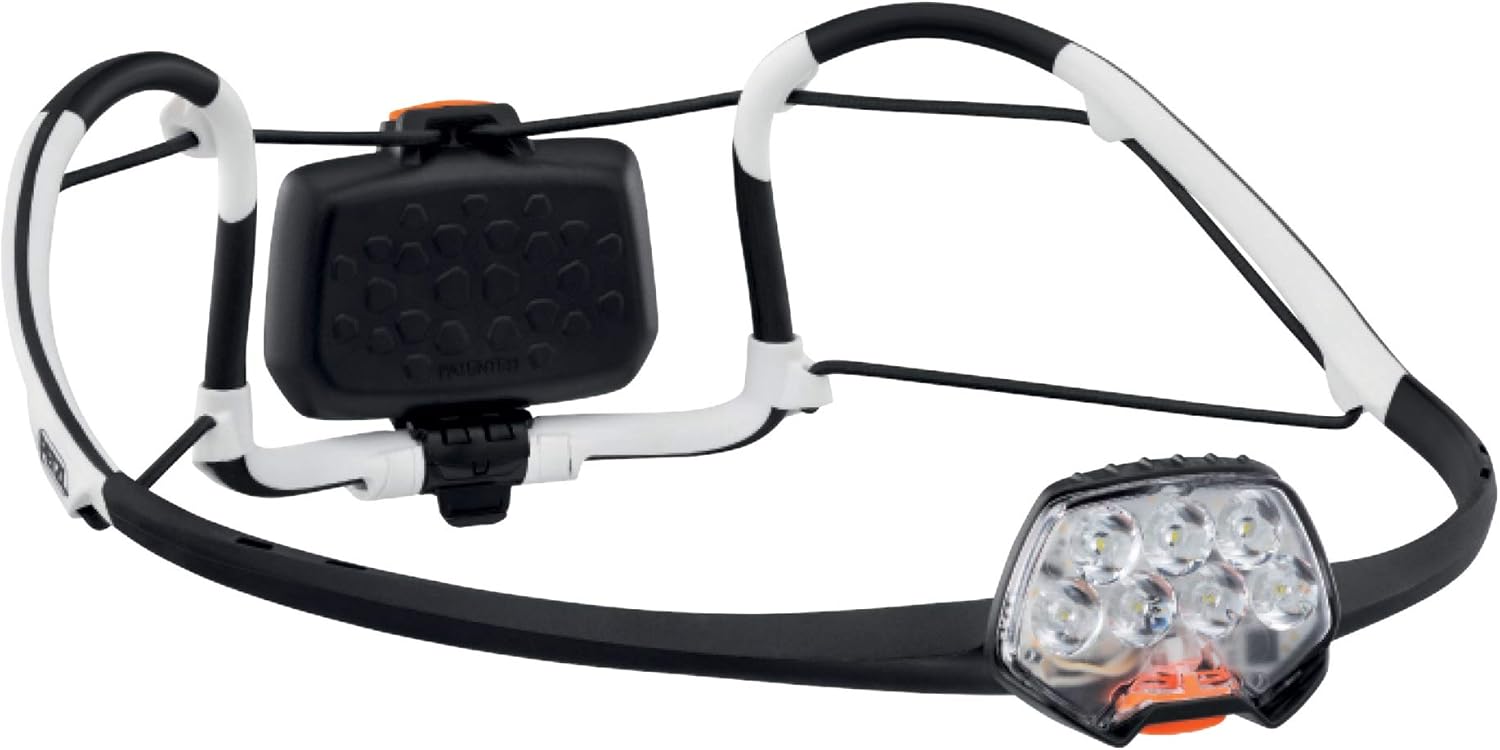
- Enough light: poor light tires the eyes and makes you drowsy. With a good headlamp your focus lasts longer. Our night running kit guide compares headlamps for full-dark races.
- Eating and drinking regularly: low blood sugar and dehydration mimic and worsen sleepiness.
- Talking, music or company: in an ultra, a group or a pacer keeps your attention up.
- A 10-15 minute nap if the head-nodding becomes dangerous. Stopping for a quarter of an hour beats falling on a technical section.
- Moving carefully: slow down on technical descents and river crossings when your eyes start to close.
Where to apply it: races that cross the night
SaintéLyon (28 November 2026) starts in the dark and is the ideal stage for this plan: cold early-morning hours and fatigue right at the worst point of the night. See the full race page with its Pack 360 at SaintéLyon. For mountain ultras with a long night section, also check Ultra Pirineu.
Frequently asked questions
How much caffeine can I take in an ultra?
There is no single number. Moderate doses (around 1-3 mg per kg of body weight) spread through the night tend to work better and be better tolerated than one high dose. Adjust to your sensitivity and test it in training.
Is it better to take it at the start or when the night arrives?
Almost always better to wait: using it as a booster in the sleepiest window avoids tolerance and saves the effect for when you need it.
Does caffeine dehydrate you?
At typical race doses, not meaningfully. It can upset your stomach though, so drink regularly.
What if I fall asleep while running?
Stop and take a 10-15 minute nap somewhere safe and sheltered. It is safer than pushing on with micro-sleeps, especially on technical ground.