Garmin Forerunner 265 vs Suunto Run 2
Verdetto rapido
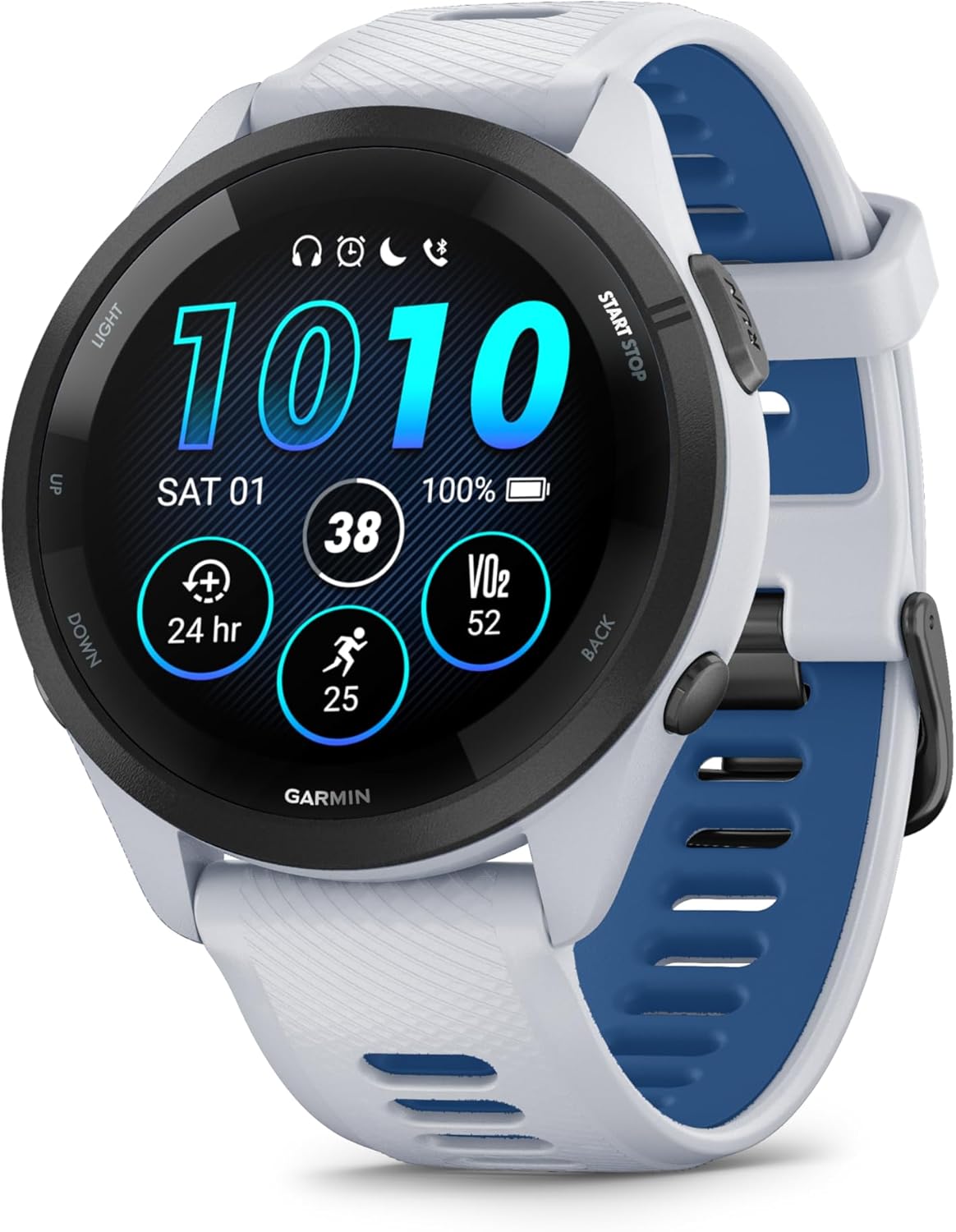
Scegli il Garmin Forerunner 265 se…
- You want the most complete training and recovery metrics
- You prefer an even lighter watch (47 g)
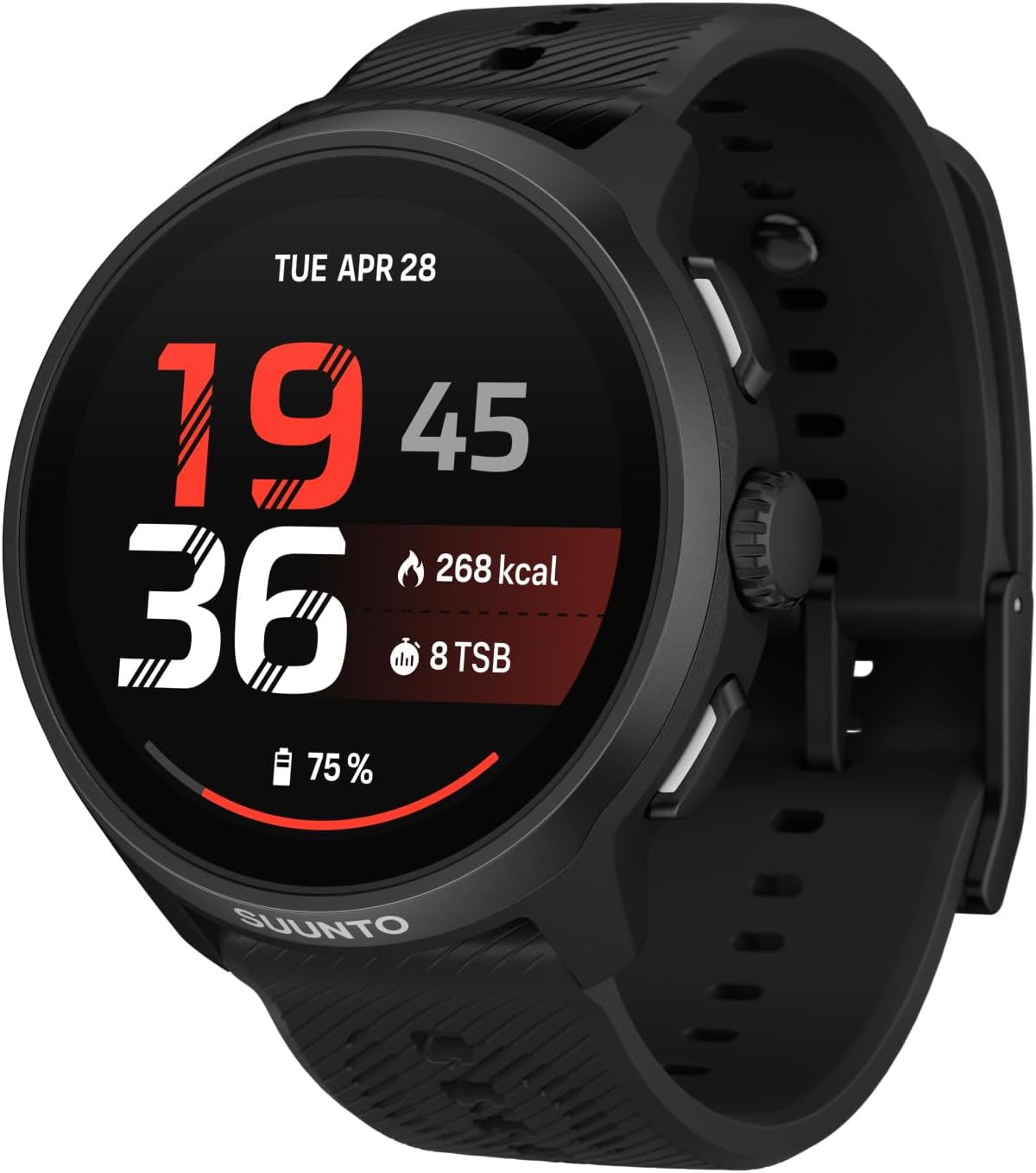
Scegli il Suunto Run 2 se…
- You want free offline maps to navigate on route
- You need a bit more battery (24 h of GPS)
Per la massima autonomia sugli ultra lunghi, Suunto Run 2 dura di più in modalità GPS. Se vuoi l'orologio più leggero al polso, scegli Garmin Forerunner 265. Solo Suunto Run 2 offre mappe topografiche integrate per la navigazione. Entrambi rientrano nella stessa fascia di prezzo: lascia che decidano batteria, peso e la funzione che apprezzi di più.
Garmin Forerunner 265 o Suunto Run 2? Batteria GPS (20 h vs 24 h), peso (47 g vs 53 g), mappe e multibanda, con un verdetto chiaro e la verifica che ciascuno regga tutta la tua gara.
Scegli in base a ciò che ti serve
- Se ti servono mappe e navigazione al polso → Suunto Run 2
- Se corri ultra o uscite molto lunghe (24 h di GPS) → Suunto Run 2
- Se vuoi il più leggero (47 g) → Garmin Forerunner 265
Radar: dove vince ogni orologio
Scala assoluta 0–100, senza distacchi esagerati: un pareggio resta un pareggio. Suunto Run 2 è in vantaggio su 3 assi su 6.
| Asse | Garmin Forerunner 265 | Suunto Run 2 |
|---|---|---|
| Batteria GPS | 17/100 | 20/100 |
| Batteria quotidiana | 43/100 | 33/100 |
| Leggerezza | 80/100 | 70/100 |
| Mappe | 0/100 | 100/100 |
| GPS multibanda | 23/100 | 50/100 |
| Display ed extra | 100/100 | 100/100 |
GPS: 120 h = 100 · Peso: 35 g = 100, 95 g = 0 · Multibanda: in base alla sua batteria (60 h = 100) · Display: AMOLED + musica.
Confronto specifica per specifica
| Specifica | Garmin Forerunner 265 | Suunto Run 2 |
|---|---|---|
| Batteria GPS | 20 h | 24 h |
| Batteria multibanda | 14 h | Sì |
| Smartwatch | 13 giorni | 10 giorni |
| Peso | 47 g | 53 g |
| Mappe | – | ✓ |
| Multibanda | ✓ | ✓ |
| Musica | ✓ | ✓ |
| Display | AMOLED | AMOLED |
| Prezzo | Fascia media | Fascia media |
| Dove comprare | Vedi su Amazon(si apre in una nuova scheda) | Vedi su Amazon(si apre in una nuova scheda) |
Batteria GPS = modalità GPS standard di ogni produttore; multibanda = doppia frequenza (massima precisione). Su Suunto, Polar Grit e Amazfit T-Rex il dato GPS corrisponde già alla modalità dual-band. Dati verificati con il produttore.
GarminGarmin Forerunner 265Running watch with AMOLED display, dual-frequency multi-band GPS and onboard music. 20 h in GPS mode (14 h multi-band) and 13 days in smartwatch mode, at 47 g. The perfect balance of accuracy, advanced metrics and price for training and racing from 10K to marathon.
Vedi su Amazon(si apre in una nuova scheda)SuuntoSuunto Run 2Lightweight running GPS watch (35 g case) with a 1.32" AMOLED display of up to 2,000 nits, dual-band GPS, free offline maps and offline MP3 music. Up to 24 h of GPS in the most accurate mode and around 10 days in daily use. A light watch with maps for races up to mid-distance.
Vedi su Amazon(si apre in una nuova scheda)Ce la farà per la tua gara? Batteria reale su 417 gare
Abbiamo stimato il tempo di arrivo di un corridore di metà classifica per ogni gara del nostro calendario (distanza, dislivello e terreno) e aggiunto un margine di sicurezza del 25%. Ecco il risultato:
Garmin Forerunner 265 dura per 335 gare su 417
Suunto Run 2 dura per 350 gare su 417
Non abbiamo trovato quella gara nel nostro calendario. Prova con un altro nome o con la località.
| Gara | Batteria necessaria | Garmin Forerunner 265 | Suunto Run 2 |
|---|---|---|---|
| Sierra Cazorla Trails65 km · 3750 m+ | 20 h | Dura | Dura |
| 3 Días Trail Ibiza73.5 km · 3200 m+ | 20 h | Dura | Dura |
| Falcotrail71 km · 3600 m+ | 21 h | Si spegne | Dura |
| Los 102 de la Comarca102 km · 937 m+ | 21 h | Si spegne | Dura |
| 90K Camino de la Cruz91 km · 2500 m+ | 22 h | Si spegne | Dura |
| Ultra de los Castillos100 km · 2150 m+ | 22 h | Si spegne | Dura |
| MOUNTAINMAN Nesselwang70 km · 3900 m+ | 24 h | Si spegne | Dura |
| Ultra-Trail du Vercors84 km · 4250 m+ | 25 h | Si spegne | Si spegne |
Stima per un corridore di metà classifica sulla distanza più lunga, GPS standard nelle ultra e multibanda nelle gare sotto le 12 h. Tocca una gara per vedere gli orologi che ti consigliamo.
Verdetto
Per la massima autonomia sugli ultra lunghi, Suunto Run 2 dura di più in modalità GPS. Se vuoi l'orologio più leggero al polso, scegli Garmin Forerunner 265. Solo Suunto Run 2 offre mappe topografiche integrate per la navigazione. Entrambi rientrano nella stessa fascia di prezzo: lascia che decidano batteria, peso e la funzione che apprezzi di più.
Analisi: dove si differenziano davvero
Two light running watches with an AMOLED display, multi-band GPS and music, but with different priorities. The Garmin Forerunner 265 has the most mature training-metrics ecosystem (load, recovery, plans) at 47 g, though it has no maps and reaches 20 h of GPS. The Suunto Run 2 weighs 53 g with strap, goes up to 24 h of GPS and includes free offline maps and a display of up to 2,000 nits. To train with data and plans, the 265; to head into the mountains with maps and a bit more battery, the Run 2.
Scegli il Garmin Forerunner 265 se…
- You want the most complete training and recovery metrics
- You prefer an even lighter watch (47 g)
- You value Garmin's ecosystem and community
Scegli il Suunto Run 2 se…
- You want free offline maps to navigate on route
- You need a bit more battery (24 h of GPS)
- You care about a very bright display of up to 2,000 nits