Best Recovery Sandals for Trail Running 2026: Comparison & Buying Guide
Quick answer: if you only want one, OOFOS OOriginal Sport (best overall). For best cushioning, HOKA Ora Recovery Slide 3.
Our picks by use case
 Our top pick#1 · Best OverallOOFOS OOriginal SportPro: Cushioning OOfoam with built-in arch support to offload the foot after runningDownside: High price for a post-race sandalView on Amazon (opens in a new tab)
 #2 · Best CushioningHOKA Ora Recovery Slide 3Pro: Meta-Rocker geometry eases foot rollover without added toe strainDownside: Considerable bulk, takes up more space in the race bag than a flat flip-flopView on Amazon (opens in a new tab)
 #3 · Best ValueCrocs Mellow Recovery SlidePro: Soft sink-in LiteRide foam, different from Crocs' usual CrosliteDownside: Less structured arch support than OOFOS or HOKAView on Amazon (opens in a new tab)
 #4 · Most AffordableSkechers GOrecover RefreshPro: Dual-density Arch Fit: firm base plus soft top layerDownside: Less specifically recognised as a recovery brand than OOFOS or HOKAView on Amazon (opens in a new tab)
Affiliate links: if you buy through them we earn a commission at no extra cost to you. It does not affect the ranking.
How we choose
We compare every model on verified technical specs (weight, materials, price), user reviews and our own experience running and testing gear in races from 21K to 100K+. We update this guide when prices change or new models launch. Some links are affiliate links: if you buy through them, TrailRunTemple earns a commission at no extra cost to you and with no influence on the selection.
All products in this guide
OOFOS
OOFOS OOriginal Sport
Unisex recovery sandal with patented OOfoam technology, which absorbs 37% more impact than conventional EVA foam and reduces stress on feet, ankles and back after exertion. Closed thong-style toe post with built-in arch support in the footbed. Machine washable.
HOKA
HOKA Ora Recovery Slide 3
Recovery slide with HOKA's oversized midsole and Meta-Rocker geometry, promoting a soft, progressive foot roll after exertion. Sugarcane-based foam footbed with airflow channels for extra breathability. Strapless slide design, easy to put on and take off at aid stations or after crossing the finish line.
Crocs
Crocs Mellow Recovery Slide
Recovery sandal with LiteRide foam, softer and with a slower rebound than traditional Croslite foam, designed so the foot sinks in on contact. Deep, cupped footbed that cradles the heel and arch. Lightweight, quick-drying and machine washable.
Skechers
Skechers GOrecover Refresh
Recovery slide sandal with dual-density Arch Fit foam, combining a firm supportive base with a soft top contact layer. Open, lightweight design with a strong value proposition within the recovery footwear category.
After a race with heavy elevation gain, your feet are usually the first thing to revolt: swollen toes, a sole hammered by hours of impact, and trail shoes that suddenly become the last thing you want to put back on. That’s where recovery footwear comes in: sandals with a completely different kind of cushioning to a running shoe, built purely for rest, not performance. This comparison breaks down the 4 best recovery sandals for after a run: OOFOS OOriginal Sport, HOKA Ora Recovery Slide 3, Crocs Mellow Recovery Slide, and Skechers GOrecover Refresh.
If you’re looking for how to speed up muscle recovery more broadly — foam rolling, massage guns, compression, or pressotherapy — that comparison lives in our trail running recovery gear guide. This guide focuses on a different, complementary angle: what to put on your feet in the hours and days after the race.
Comparison table
| Product | Technology | Approx. price | Buy |
|---|---|---|---|
| OOFOS OOriginal Sport | OOfoam (-37% impact) | ~€70 | Amazon →(opens in a new tab) |
| HOKA Ora Recovery Slide 3 | Oversized midsole + Meta-Rocker | ~€60 | Amazon →(opens in a new tab) |
| Crocs Mellow Recovery Slide | LiteRide sink-in foam | ~€45 | Amazon →(opens in a new tab) |
| Skechers GOrecover Refresh | Dual-density Arch Fit | ~€40 | Amazon →(opens in a new tab) |
All available on Amazon with fast shipping. Links go to real-time pricing.
How to choose recovery sandals for trail running: 5 deciding factors
1. They’re not beach flip-flops
The difference from an ordinary flip-flop isn’t cosmetic, it’s cushioning: recovery foams (OOfoam, LiteRide, Arch Fit) are built to sink under foot weight and release energy very slowly — the opposite of what a running shoe is built for. That “slow sink-in” is what unloads the plantar fascia and reduces swelling after hours of impact on technical descents.
2. Arch support vs. cloud-like feel
OOFOS and HOKA prioritise pronounced arch support, built for feet that have taken a real beating during the race. Crocs and Skechers lean more toward a “sink-in” feel with less structure. If you’re coming out of an ultra with a badly battered plantar fascia, arch support matters more than the cloud feeling.
3. Aid-station portability
A strapless slide (HOKA, Crocs) goes on and off in seconds with numb hands at an aid station or the finish line — useful if your support crew has them ready for you. A thong-style model (OOFOS) needs a touch more dexterity but takes up less space in a pack.
4. Budget
There’s almost a €30 gap between the Skechers GOrecover Refresh (€40) and the OOFOS OOriginal Sport (€70). Proprietary foam tech (OOfoam, LiteRide) is what justifies the premium of specialist brands over a generic rest sandal.
5. When to use them relative to the race
Unlike active recovery (foam rolling, massage guns), these sandals earn their keep from the first minute after crossing the line and through the following days, while the foot is still swollen and any closed shoe feels uncomfortable. They don’t replace training footwear — they’re “do nothing” footwear.
Individual breakdown of the 4 sandals
1. OOFOS OOriginal Sport — Best Overall
The OOFOS OOriginal Sport is the market benchmark in recovery footwear: its patented OOfoam absorbs 37% more impact than conventional EVA, with arch support built into the footbed itself that works even while standing still. With a 4.6 rating, it’s also the best-rated sandal in this comparison.
Best for: runners coming out of an ultra with a badly battered plantar fascia who want maximum structural relief. Its thong-style toe post takes some getting used to and it’s the priciest of the four, but it’s also the one with the longest track record for durability.
View OOFOS OOriginal Sport on Amazon →(opens in a new tab)2. HOKA Ora Recovery Slide 3 — Best Cushioning
The HOKA Ora Recovery Slide 3 brings HOKA’s oversized-midsole philosophy from its trail shoes into a slide format, with Meta-Rocker geometry that eases a progressive foot roll without straining the toes. Its sugarcane-based foam footbed adds airflow channels for feet that have been sweating for hours.
Best for: anyone already used to HOKA’s trail shoes who wants the same extreme-cushioning feel in recovery form. It’s the bulkiest sandal in the comparison — not the one that saves the most space in a race bag — and without straps, it offers less hold on uneven campsite terrain.
View HOKA Ora Recovery Slide 3 on Amazon →(opens in a new tab)3. Crocs Mellow Recovery Slide — Best Value
The Crocs Mellow Recovery Slide uses LiteRide foam, different from the brand’s usual Croslite: softer, with a slower rebound and a deep, cupped footbed that wraps around the heel. At a mid-range price (~€45), it delivers a good chunk of the premium feel without the OOFOS or HOKA price tag.
Best for: runners who want to try recovery footwear without committing to specialist-brand pricing. Its arch support is less structured than OOFOS or HOKA, and it isn’t built for walking long distances — just for rest.
View Crocs Mellow Recovery Slide on Amazon →(opens in a new tab)4. Skechers GOrecover Refresh — Most Affordable
The Skechers GOrecover Refresh pairs a firm Arch Fit foam base with a soft top contact layer, delivering solid arch support at the lowest price in the comparison (~€40). It’s not as specifically tied to sports recovery as a brand as OOFOS or HOKA, but it gets the basic job done.
Best for: anyone who wants a decent recovery sandal without spending €70 and doesn’t need the latest proprietary foam tech. Its cushioning is somewhat less than the premium options on this list.
View Skechers GOrecover Refresh on Amazon →(opens in a new tab)Head-to-head: OOFOS OOriginal Sport vs HOKA Ora Recovery Slide 3
The two premium options, side by side:
OOFOS wins on structural arch support. Its footbed works actively even while standing still, something HOKA’s Meta-Rocker geometry doesn’t aim for in the same way.
HOKA wins on ease of use with numb hands. The strapless slide format goes on in a second right after crossing the line, while OOFOS’s thong-style toe post takes a bit more dexterity.
OOFOS wins on brand track record. It’s had more years as the specific benchmark in recovery footwear than HOKA’s Ora line, which arrived in the segment later.
HOKA wins on breathability. Its airflow channels are built for feet that have been sweating heavily, something OOFOS doesn’t prioritise the same way.
Head-to-head verdict: if your priority is arch support after a badly battered plantar fascia, OOFOS OOriginal Sport. If you’d rather slip them on and off effortlessly at an aid station, HOKA Ora Recovery Slide 3.
4 common mistakes when choosing recovery sandals
-
Mistaking them for regular beach flip-flops. A flat rubber flip-flop doesn’t have the slow sink-in foam that does the actual unloading work — the savings aren’t worth losing the function.
-
Buying a snug size expecting it to “shrink” the swollen foot. After an ultra with heavy elevation gain, your foot arrives swollen — a tight size presses exactly where it shouldn’t.
-
Using them to walk long distances. They’re built for rest, not for getting around — walking several kilometres in them the day after the race cancels out part of their unloading function.
-
Not having them ready at the finish line. The biggest benefit comes in the first minutes after crossing the line — if they’re in your hotel bag, you’ve missed the window when you need them most.
If your heel or arch hurts with the first steps, see a professional first; our plantar fasciitis in trail running guide covers red flags, what the evidence says and gear for that area.
FAQ
Do recovery sandals actually do anything beyond feeling comfortable?
Yes: the slow sink-in foam reduces localised pressure on the plantar fascia and helps swelling go down faster than staying in a closed shoe or a stiff pair of street shoes.
Can I run in recovery sandals?
No. None of the four is built for active movement — their geometry and foam aim for the opposite of the stability and energy return a running stride needs.
What’s the difference between this guide and the recovery gear guide (foam roller, massage gun)?
This guide covers footwear you put on after the race; the recovery gear guide covers active and passive muscle-recovery tools (foam rolling, percussion, compression, pressotherapy). They complement each other — recovery sandals and a massage gun don’t compete, they target different areas.
Is it worth spending €70 on sandals just for after a run?
If you regularly run ultras with heavy elevation gain, yes — the relief on the plantar fascia and the reduced swelling in the following hours is noticeable. If you only run the occasional short race, a mid-range option like the Crocs Mellow or the Skechers GOrecover covers most needs for less money.
Final verdict: our pick of the 4 sandals
- If you’re only buying one: OOFOS OOriginal Sport(opens in a new tab)
- If you want maximum cushioning and ease of use: HOKA Ora Recovery Slide 3(opens in a new tab)
- If you want the best value: Crocs Mellow Recovery Slide(opens in a new tab)
- If price is your top priority: Skechers GOrecover Refresh(opens in a new tab)
In races with heavy elevation gain like Canfranc-Canfranc, the Gran Trail Aneto-Posets, or the Ultra Sierra Nevada, technical descents leave your feet as battered as your legs. Good recovery sandals won’t speed up your return to training on their own, but they’re the first thing your body thanks you for right after crossing the finish line — and on a very long race day, that’s already worth it.
Other guides you might find useful
Races where you'll need this gear
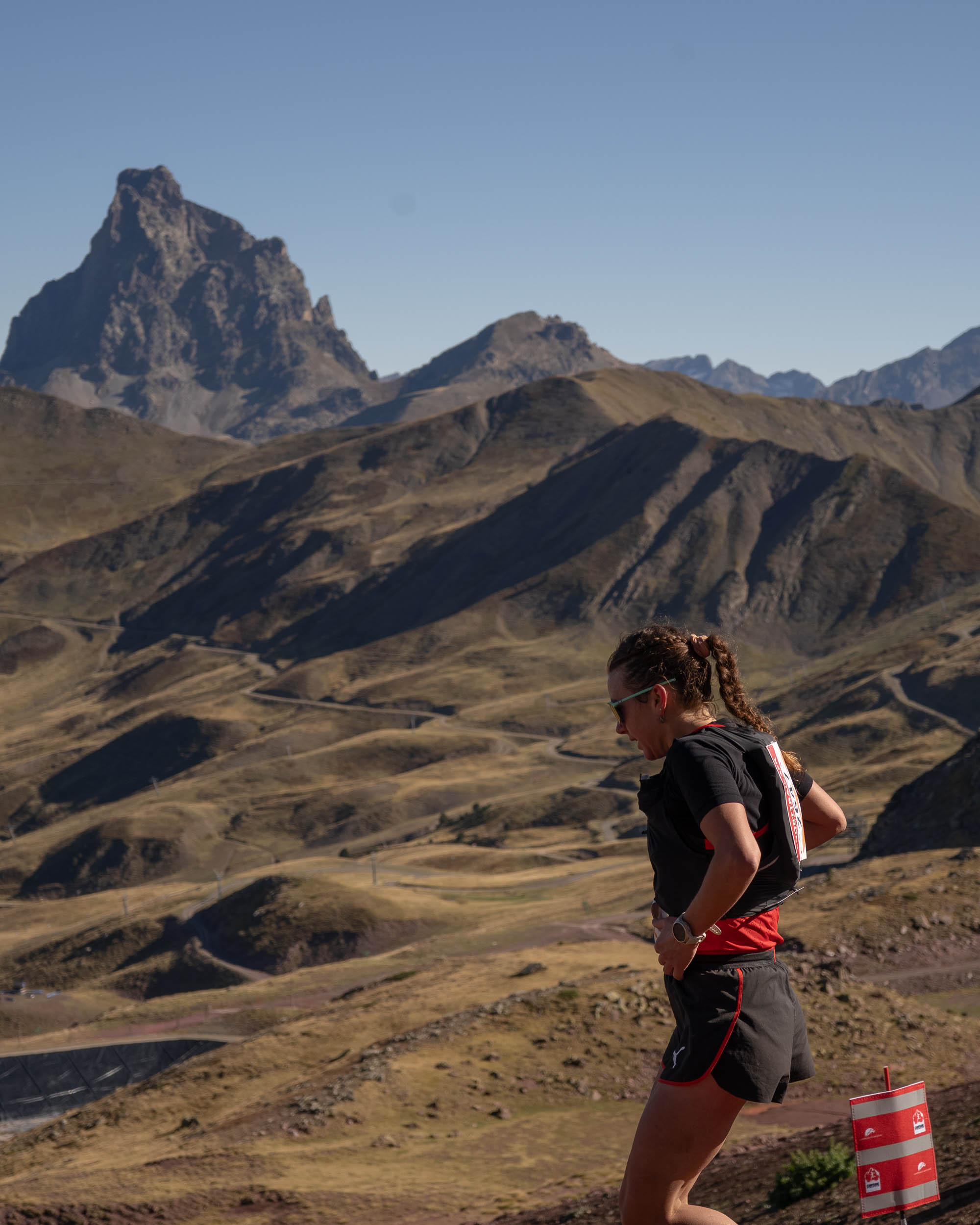
Canfranc-Canfranc
From 6K to 100K through the central Pyrenees from the iconic Canfranc International Station
Read more →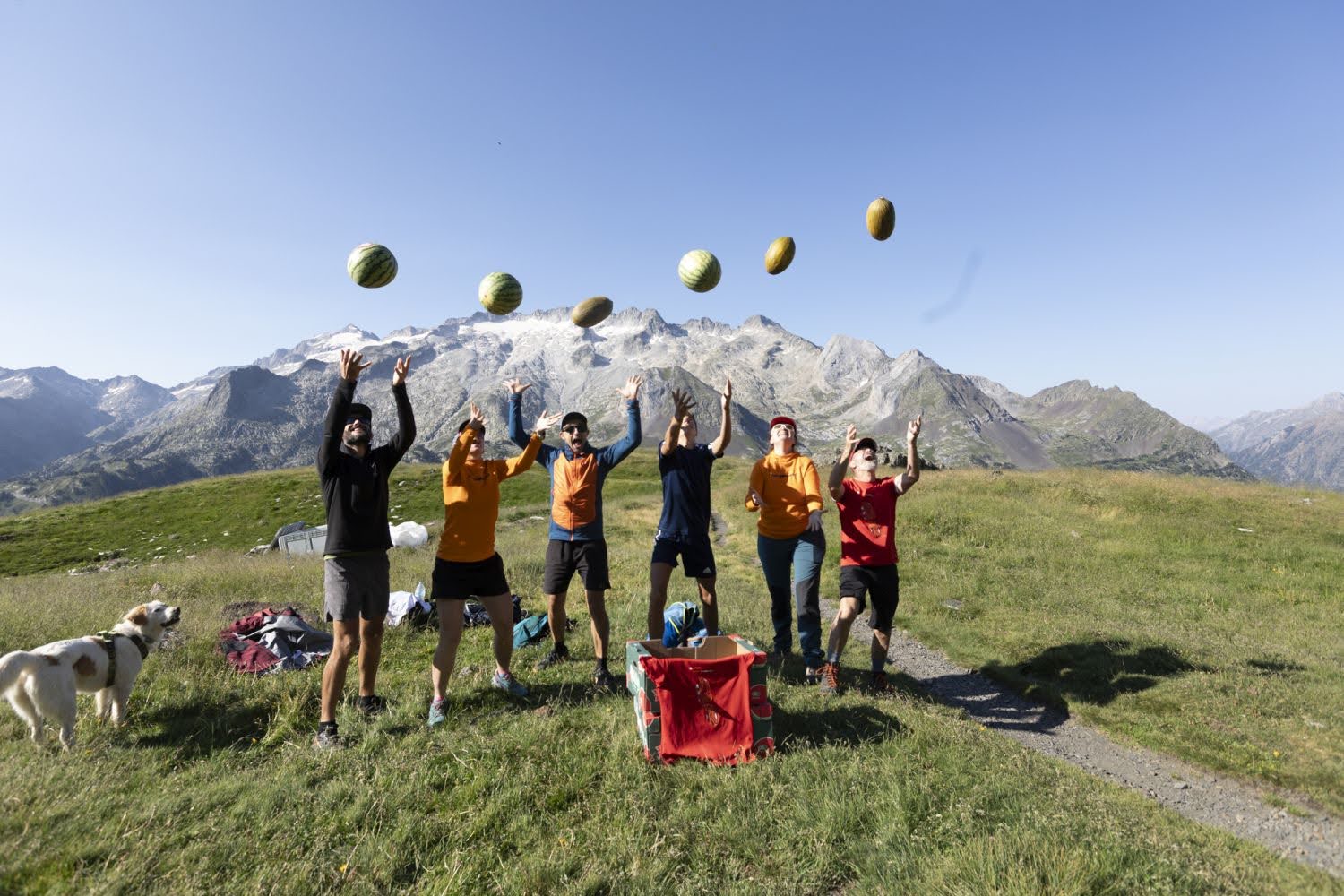
Gran Trail Trangoworld Aneto-Posets
From 5K to 105K between the Pyrenean rooftops: Aneto and Posets from the Benasque Valley
Read more →
Ultra Sierra Nevada
100K, 42K and 21K across the rooftop of the Iberian Peninsula
Read more →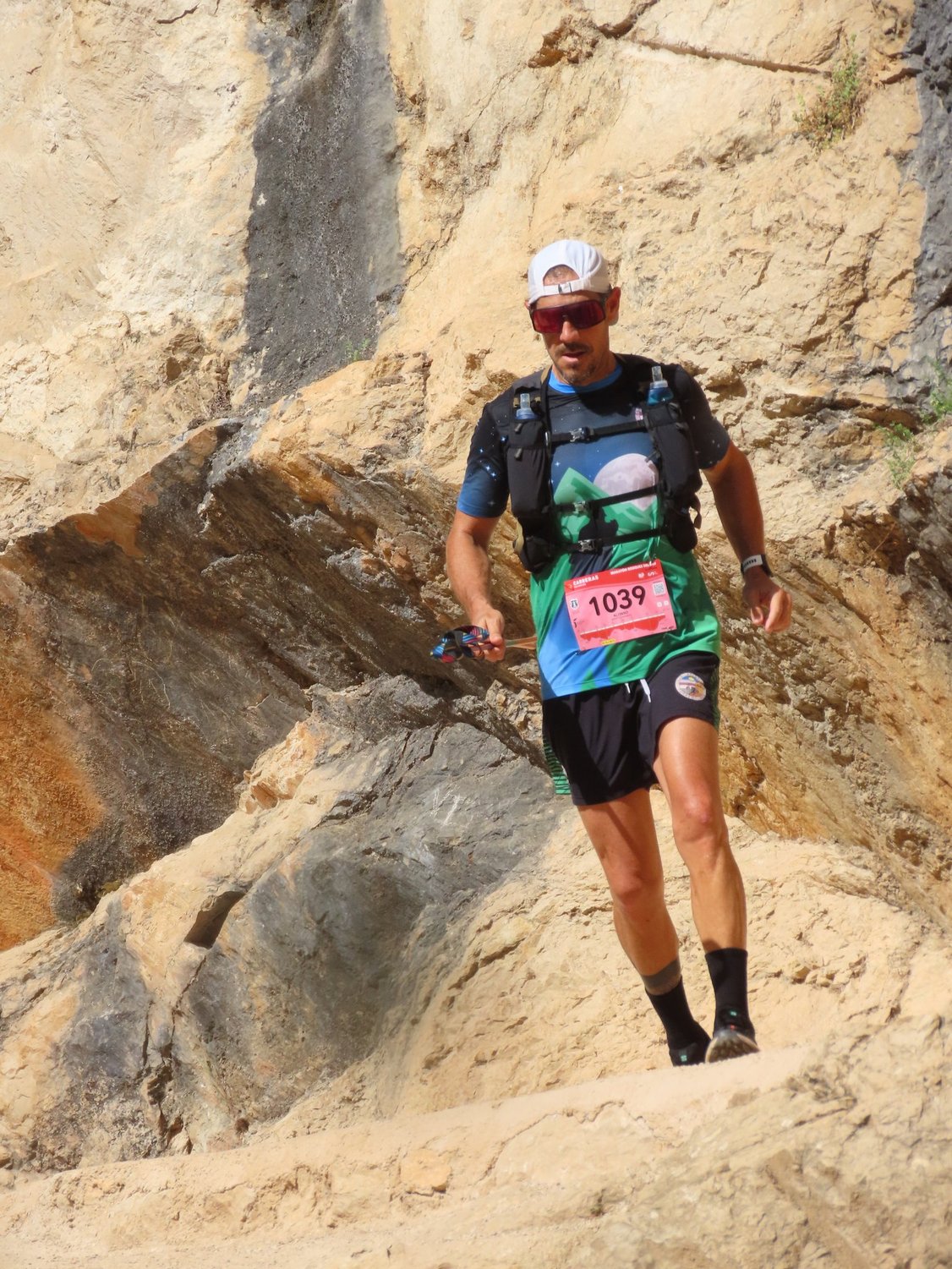
Ultra Trail Bosques del Sur
70K, 42K, 21K, 10K and 4K through the Cazorla, Segura y las Villas Natural Park
Read more →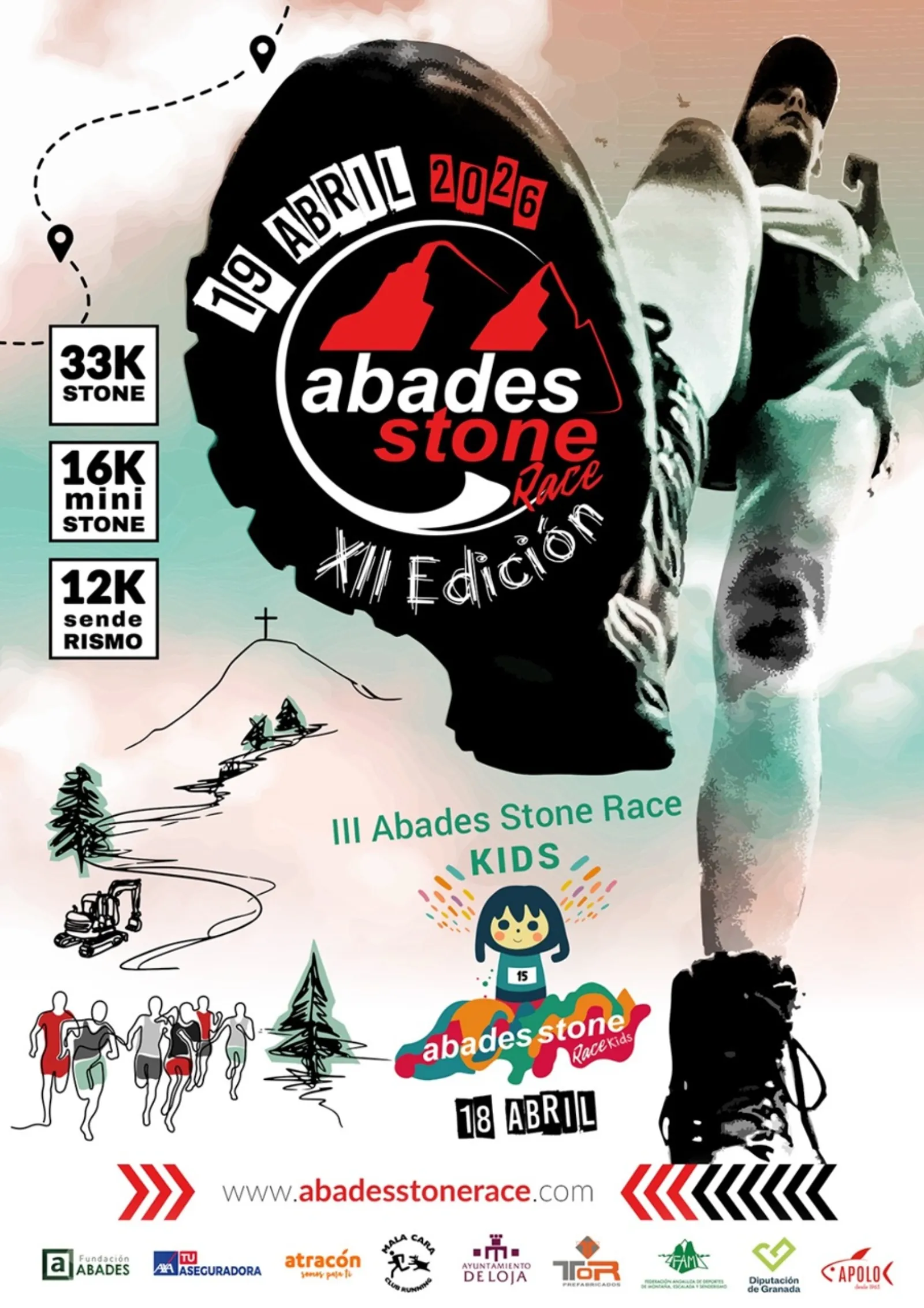
Trail Loja - Abades Stone Race
35 km with 4,038 m D+ through the karst landscapes of Loja (Granada)
Read more →