Best Recovery Gear for Trail Running 2026: Comparison & Buying Guide
 (se abre en una pestaña nueva)
 (se abre en una pestaña nueva)
 (se abre en una pestaña nueva)
 (se abre en una pestaña nueva)
How we choose
We compare every model on verified technical specs (weight, materials, price), user reviews and our own experience running and testing gear in races from 21K to 100K+. We update this guide when prices change or new models launch. Some links are affiliate links: if you buy through them, TrailRunTemple earns a commission at no extra cost to you and with no influence on the selection.
Our picks by use case
- #1Best Overall: TriggerPoint TriggerPoint GRID Foam RollerView on Amazon →(se abre en una pestaña nueva)
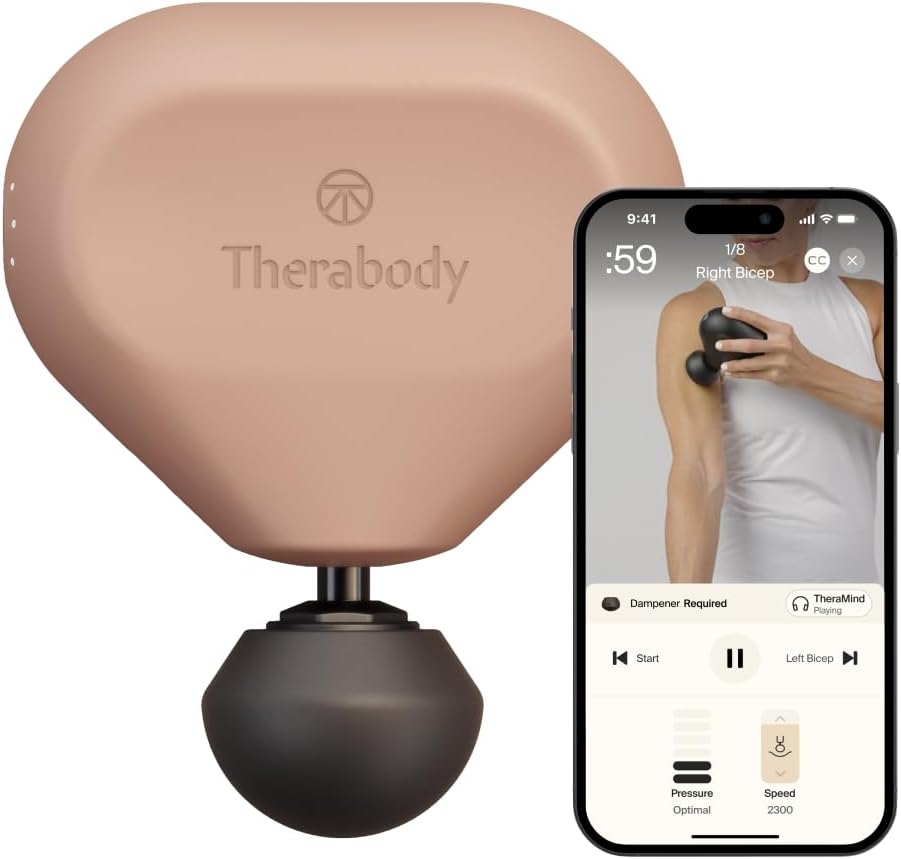
- #2Best Massage Gun: Therabody Theragun Mini (2.ª generación)View on Amazon →(se abre en una pestaña nueva)
- #3Best Compression for Sleep: Compressport Compressport Full Socks RecoveryView on Amazon →(se abre en una pestaña nueva)
- #4Best Pro-Level Recovery: Compex Compex Ayre Recovery BootsView on Amazon →(se abre en una pestaña nueva)
All products in this guide
TriggerPoint
TriggerPoint GRID Foam Roller
Myofascial release roller with patented 3D GRID surface that mimics a therapist's hands. Hollow rigid core (holds up to 150kg) and multi-density EVA exterior. 33cm long, ideal for quads, IT band and calves after mountain races.
Therabody
Theragun Mini (2.ª generación)
Compact massage gun with QuietForce motor and 3 speeds (1750-2400 percussions/min). Weighs just 500g and fits in your race vest or bag. Ideal for self-massage of quads, calves and glutes after a trail.
Compressport
Compressport Full Socks Recovery
Full-length compression socks (foot to knee) designed specifically for post-exercise recovery. Graduated compression that improves venous return and reduces swelling. Breathable fabric with infrared fibres that improve microcirculation.
Compex
Compex Ayre Recovery Boots
Pneumatic pressotherapy boots with 4 sequential air chambers. Dynamic compression that improves venous return and speeds up toxin elimination after mountain races. 3 pressure levels and 20-30 minute sessions. Built-in rechargeable battery.
Recovery gear is what decides whether you show up to your next training session ready to go, or spend a week dragging DOMS that won’t let up. In races with heavy elevation gain, the muscle damage from technical descents is the slowest thing to heal — slower than cardiovascular fatigue, which bounces back in days. This comparison breaks down the 4 best recovery products for trail running: a foam roller, a massage gun, compression socks, and pressotherapy boots — four different ways to speed up your return to normal after a hard mountain effort.
If you’re after what to put on your feet right after crossing the finish line, that comparison lives separately in our recovery sandals guide for trail running.
Comparison table
| Product | Type | Mechanism | Approx. price | Buy |
|---|---|---|---|---|
| TriggerPoint GRID | Foam roller | Manual myofascial release | ~€37 | Amazon → |
| Theragun Mini | Massage gun | Percussion (1750-2400 ppm) | ~€199 | Amazon → |
| Compressport Full Socks Recovery | Graduated compression | Passive venous return | ~€50 | Amazon → |
| Compex Ayre Recovery Boots | Pressotherapy | Sequential pneumatic compression | ~€399 | Amazon → |
All available on Amazon with fast shipping. Links take you to the current live price.
How to choose recovery gear for trail running: 5 deciding factors
1. Active vs passive recovery
The foam roller and massage gun are active recovery: you apply the pressure, decide where and how much, and feel the effect immediately. Compression socks and pressotherapy boots are passive recovery: you put them on and they keep working while you sleep, drive home, or watch TV. Neither replaces the other — the ideal approach combines something active right after running with something passive over the following hours.
2. Portability to race day
A Theragun Mini weighs 500g and fits in the trunk or your crew’s aid bag; a 33cm foam roller fits in any suitcase. Compex Ayre Recovery Boots, on the other hand, are a “once you’re home” product — their bulk and need for an outlet rule them out as race-day gear.
3. Budget and frequency of use
A €37 foam roller pays for itself after two uses. €399 pressotherapy boots only make sense if you’ll use them regularly, not just after one big race a year. Before jumping to the high-end option, ask yourself how many times a month you’ll actually use it.
4. What the evidence says
Graduated compression has solid evidence for reducing the perception of delayed onset muscle soreness (DOMS) and the feeling of heavy legs, though its effect on actual physiological recovery is more debated. Foam rolling and percussion therapy show consistent evidence for reducing perceived soreness and improving short-term mobility. Pressotherapy has fewer running-specific studies, but its effect on venous return is well documented in general sports medicine.
5. When to use it relative to race day
Foam roller and massage gun deliver the most value in the week after a race, on tissue that’s already inflamed, to release tension and improve range of motion before resuming training. Compression and pressotherapy deliver the most value in the first 24-48 hours, when the goal is aiding drainage and reducing swelling, especially after ultras with heavy elevation loss.
Individual breakdown of the 4 products
1. TriggerPoint GRID Foam Roller — Best Overall
The TriggerPoint GRID is the mandatory entry point into active recovery: its patented 3D surface mimics hand pressure, and its hollow rigid core doesn’t deform with use — it holds up to 150kg. With a 4.6 rating, it’s the highest-rated product in this comparison and also the cheapest.
Best for: any runner who wants to start with active recovery without spending much. Its 33cm length is compact enough for a race bag, though it doesn’t cover the whole back in one pass — for that you’d need a full-length roller, which falls outside the leg-specific use case after a trail race.
View TriggerPoint GRID on Amazon →2. Theragun Mini — Best Massage Gun
The Theragun Mini (2nd generation) delivers what a foam roller can’t: targeted, adjustable pressure on an exact spot, with a quiet QuietForce motor and 3 speeds ranging from 1750 to 2400 percussions per minute. At 500g, it’s the only product on this list that genuinely fits in a race vest or bag.
Best for: releasing quads, calves, and glutes in a few minutes right after crossing the finish line, or for a crew member waiting at an aid station with access to the runner. Its 150-minute battery life gives plenty of margin for a long race day, though it only ships with one attachment head — extra accessories are sold separately.
If you want to compare massage guns against each other — high end, travel mini, heat-and-cold options, or budget picks — see our massage guns guide for trail running.
View Theragun Mini on Amazon →3. Compressport Full Socks Recovery — Best Compression for Sleep
The Compressport Full Socks Recovery cover foot-to-knee with graduated compression built specifically for recovery, not for running — the pressure profile differs from race-specific compression socks. Their infrared-fibre fabric aims to improve microcirculation just by wearing them, no effort required.
Best for: putting on right when you get home after a race with heavy elevation loss, or sleeping in them the following nights. Their price (~€50) is high for “just socks,” and you need to get the exact size right for the graduated compression to work as intended.
View Compressport Full Socks Recovery on Amazon →4. Compex Ayre Recovery Boots — Best Pro-Level Recovery
The Compex Ayre Recovery Boots are a step up: pressotherapy with 4 sequential air chambers, 3 pressure levels, and 20-30 minute sessions, with a rechargeable battery so you’re not tied to an outlet. It’s the mechanism closest to what pro teams use after a hard stage.
Best for: ultra runners stacking back-to-back races or very demanding training in a short window who want to maximize drainage between efforts. Its investment (~€399) and bulk — not easy to pack into a race bag — make it a home product, not aid-station gear.
View Compex Ayre Recovery Boots on Amazon →Head-to-head: TriggerPoint GRID vs Theragun Mini
The two active-recovery products, side by side:
TriggerPoint wins on price and simplicity. For €37 you get a tool that can’t break, needs no battery, and works just as well on day one as it does five years in.
Theragun wins on precision and speed. On one specific overworked spot — a calf after a technical descent, say — targeted percussion works faster than rolling the whole leg.
TriggerPoint wins on broad-surface coverage. To release the entire IT band or the back of the quads in one go, the roller covers more area per pass.
Theragun wins on last-minute portability. Its 500g pistol shape fits better in almost any bag than a 33cm roller, though both travel reasonably well.
Head-to-head verdict: if you’re only buying one active-recovery product and budget matters most, go TriggerPoint GRID. If you already own a roller and want to add precision for specific hot spots, go Theragun Mini.
5 common recovery mistakes in trail running
-
Using a massage gun directly on an acute injury. Percussion is built for muscle tension, not active tendinitis or muscle tears — check with a physiotherapist first in those cases.
-
Wearing recovery compression before a run expecting the same effect as afterward. Recovery compression (like the Compressport Full Socks) is designed for rest, not race performance — don’t confuse it with race-specific compression socks.
-
Buying pressotherapy without a plan to use it regularly. €400 boots used once a year after your one big race of the season are the worst cost-benefit ratio in this comparison.
-
Aggressive foam rolling right before bed with intense DOMS. In the first 24 hours after a hard ultra, heavily inflamed tissue responds better to gentle compression than roller pressure — save the foam roller for 48-72 hours later.
-
Thinking recovery gear replaces sleep and nutrition. No device compensates for poor sleep or failing to replenish glycogen after the effort — they’re a complement, not the main pillar of recovery.
FAQ
Foam roller or massage gun after an ultra?
Start with the foam roller to work broad surfaces (quads, calves, IT band) in the first 48-72 hours, then add the massage gun for specific spots that stay tight afterward. They’re not mutually exclusive. If you go for a gun, compare models in our dedicated massage guns guide.
Does compression actually speed up recovery after running?
The evidence is stronger for reducing the perception of heavy, sore legs than for measurable physiological recovery. Even so, the subjective “lighter legs” feeling the next day is real for many runners.
How long should I use pressotherapy after a race?
20-30 minute sessions are enough, and you don’t need to do it daily — 2-3 sessions in the week after a race with heavy elevation gain is a reasonable amount of use.
Is it safe to use a massage gun on your legs after a race with heavy elevation loss?
Yes, as long as you avoid bony areas, joints, and any spot with acute pain or suspicious swelling. If the pain feels joint-related or like a possible sprain rather than muscular, stop and check with a professional.
Is it worth spending €400 on pressotherapy boots if I only race 3-4 times a year?
Probably not. Pressotherapy pays off most for runners stacking efforts back-to-back — intense trail seasons, back-to-back weekend races — more than for someone who races a handful of times a year. For that profile, a foam roller and a massage gun cover most needs for a fraction of the price.
Final verdict: our pick of the 4 products
- If you’re only buying one: TriggerPoint GRID
- If you want precision on specific hot spots: Theragun Mini
- If you want passive recovery while you sleep: Compressport Full Socks Recovery
- If you stack demanding races and want the pro-level option: Compex Ayre Recovery Boots
Recovery gear isn’t what decides whether you finish the race, but it is what decides what shape you’re in when the next one starts. On heavy-elevation races like Canfranc-Canfranc or the Gran Trail Aneto-Posets, where technical descents wreck your legs for days, investing in active and passive recovery isn’t a luxury — it’s what lets you get back to training without dragging fatigue for weeks.
Other guides you might find useful
Races where you'll need this gear
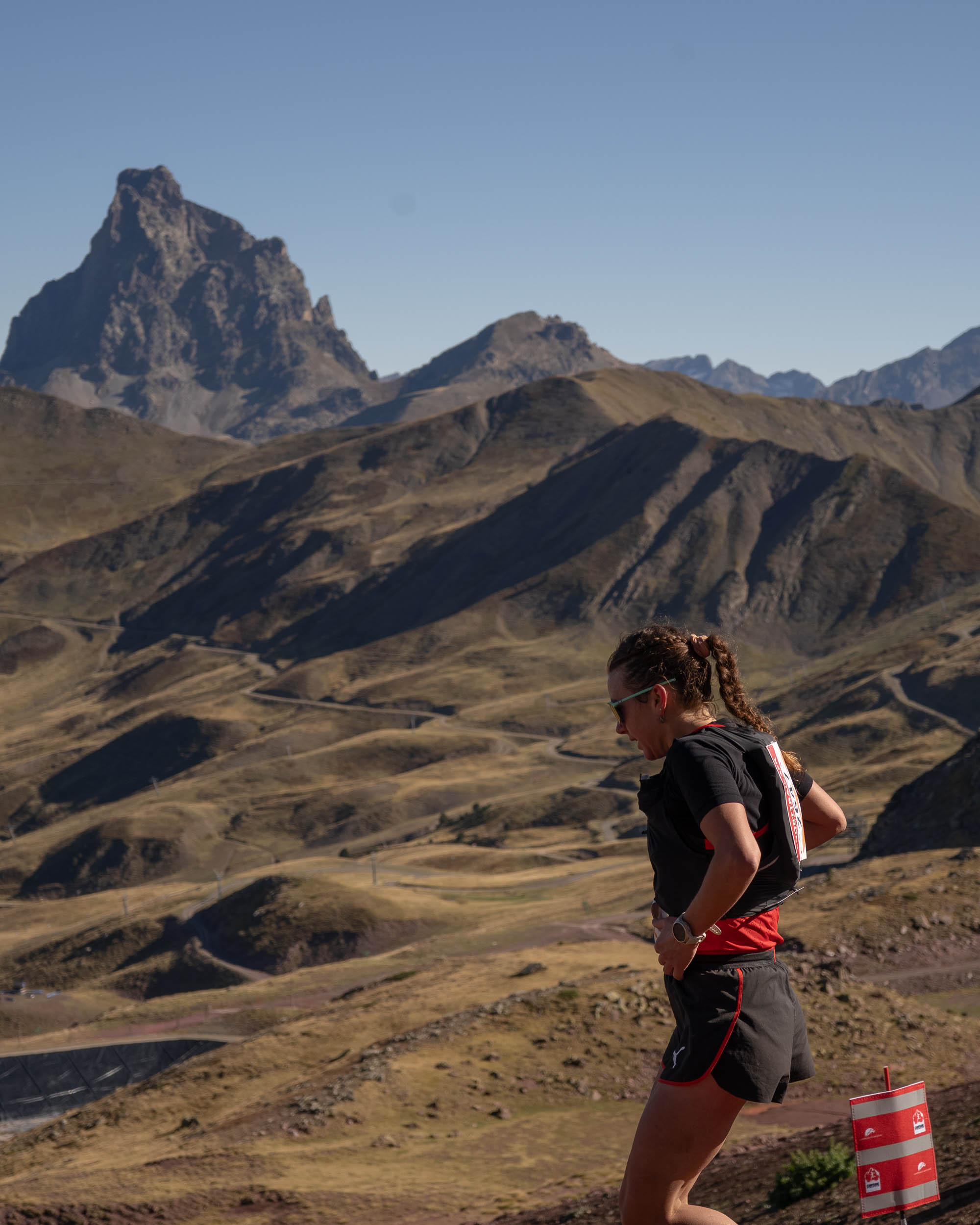
Canfranc-Canfranc
From 6K to 100K through the central Pyrenees from the iconic Canfranc International Station
Read more →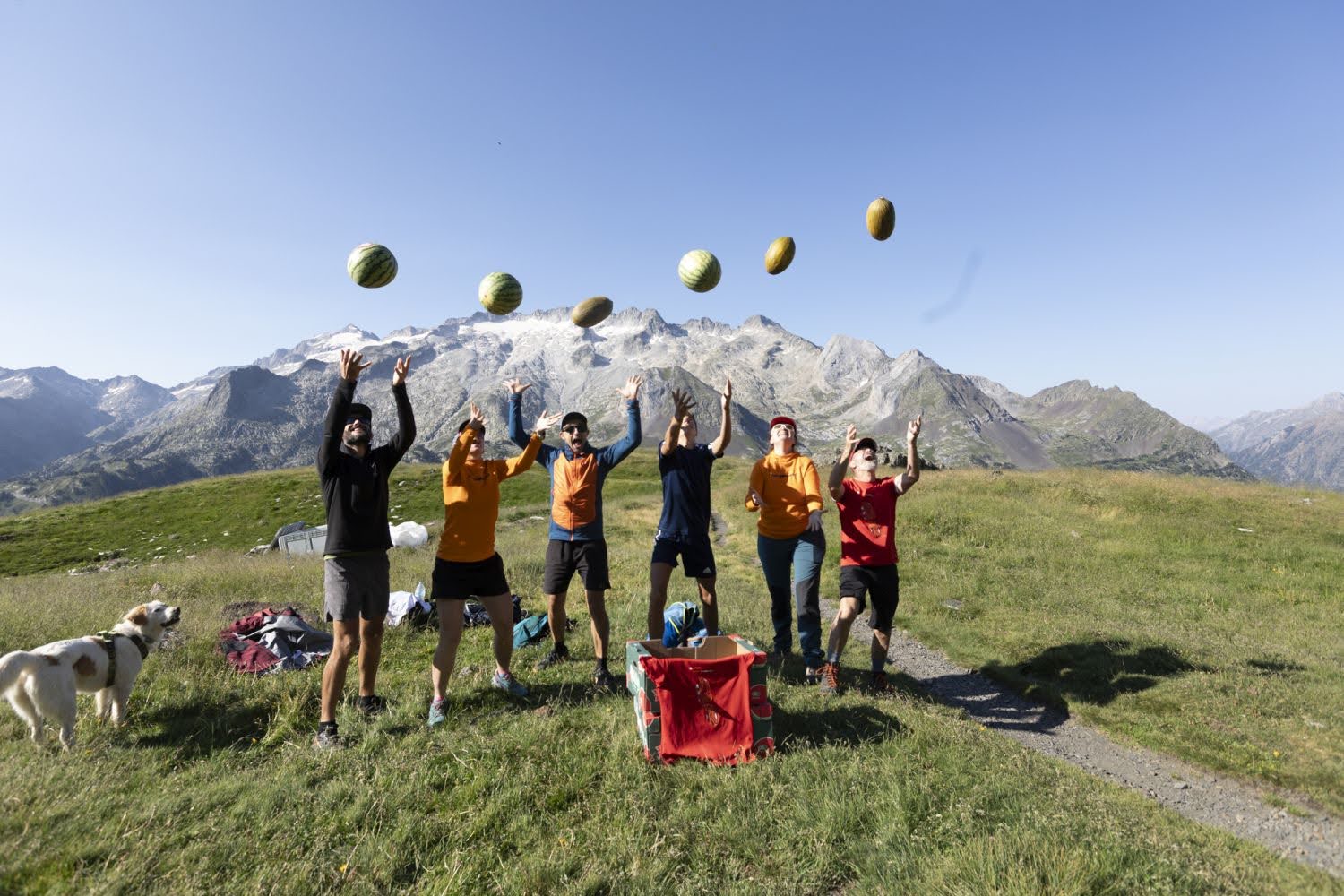
Gran Trail Trangoworld Aneto-Posets
From 5K to 105K between the Pyrenean rooftops: Aneto and Posets from the Benasque Valley
Read more →
Ultra Sierra Nevada
100K, 42K and 21K across the rooftop of the Iberian Peninsula
Read more →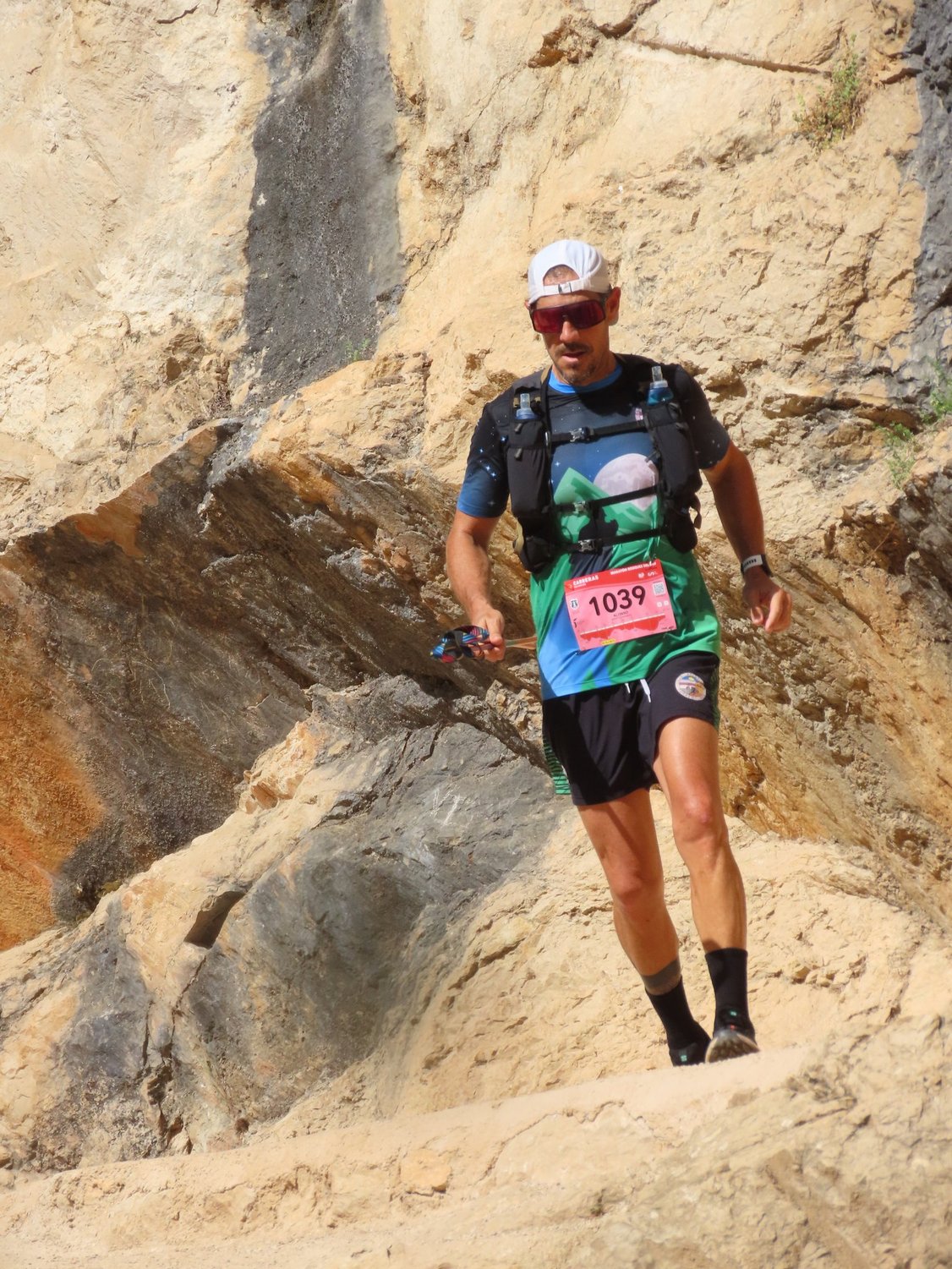
Ultra Trail Bosques del Sur
70K, 42K, 21K, 10K and 4K through the Cazorla, Segura y las Villas Natural Park
Read more →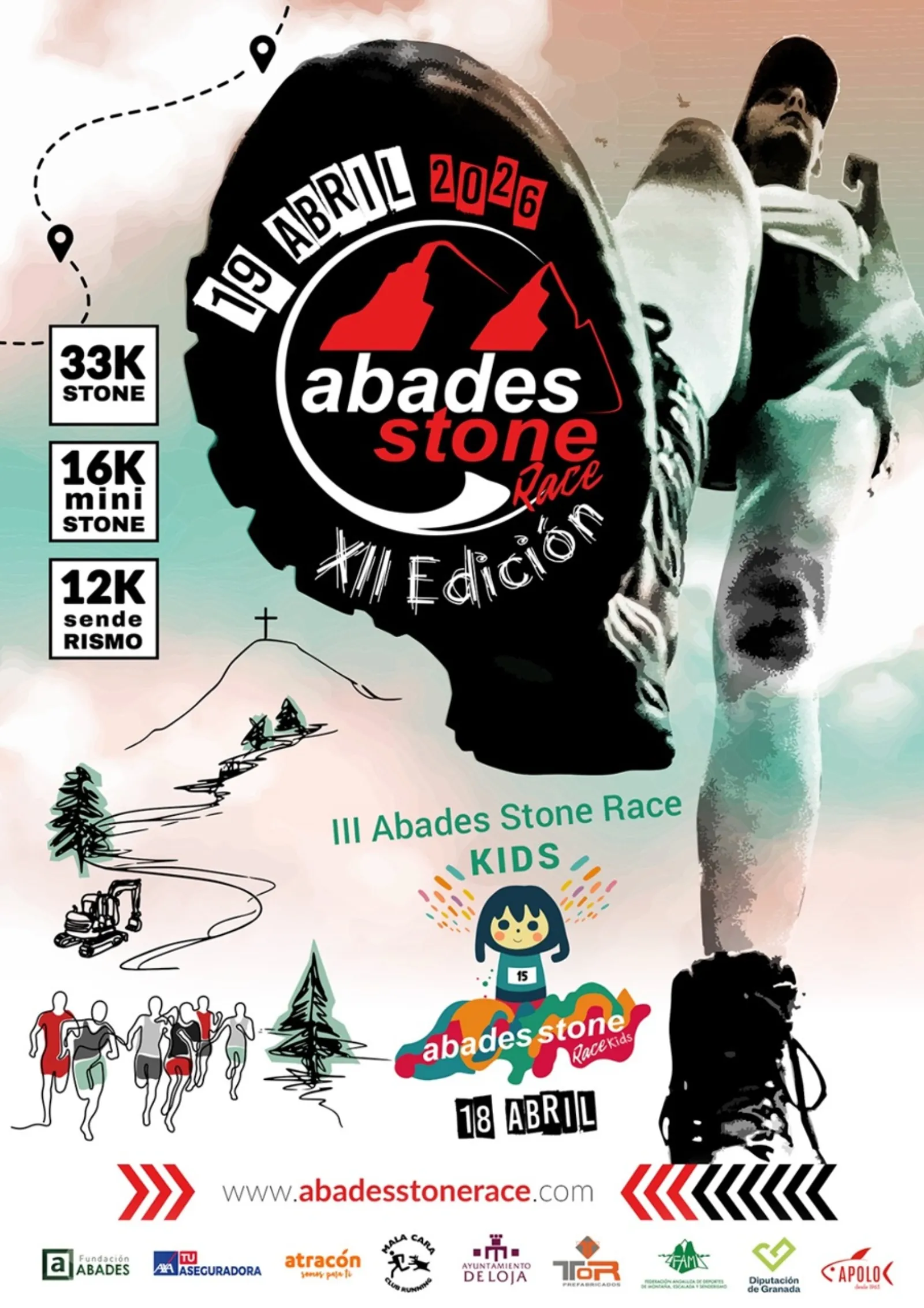
Trail Loja - Abades Stone Race
35 km with 4,038 m D+ through the karst landscapes of Loja (Granada)
Read more →