Trail running shoe comparisons: which one to pick?
The most searched comparisons, with brand-stated specs cross-checked against our races: we tell you which races each shoe suits best based on terrain, distance and typical weather.
Compare up to 5 at once
Type a model, pick it from the list and see them all in columns. The best in each row is highlighted in green.
Radar of the selection
The selection lives in the URL: copy it to share.
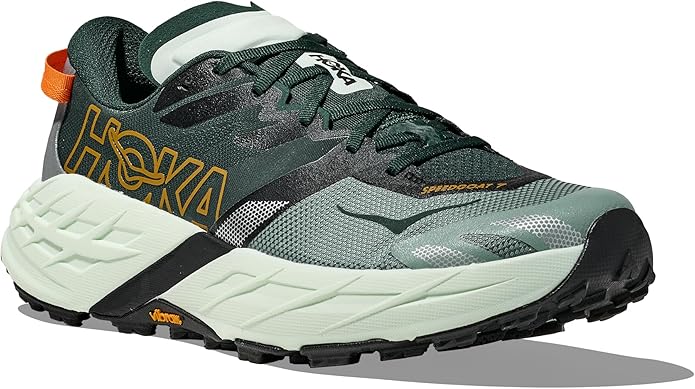
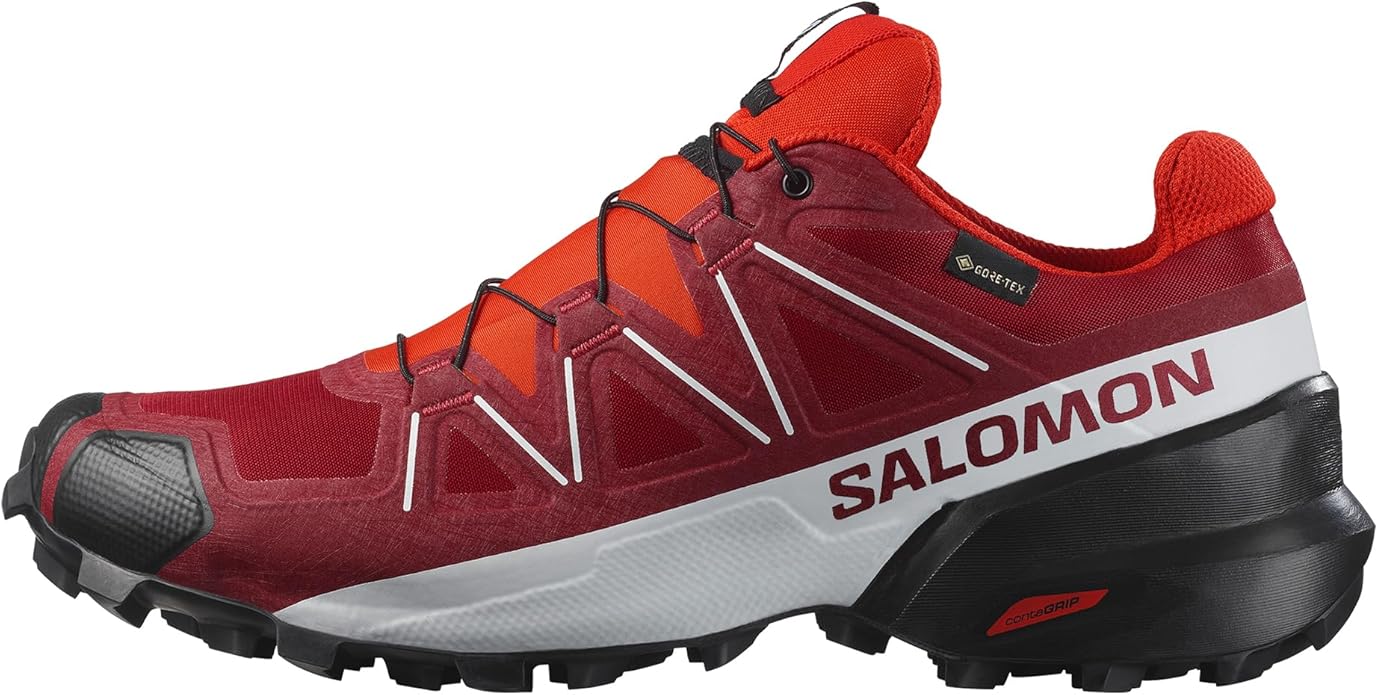 Hoka Speedgoat 7 vs Salomon Speedcross 6See the head-to-head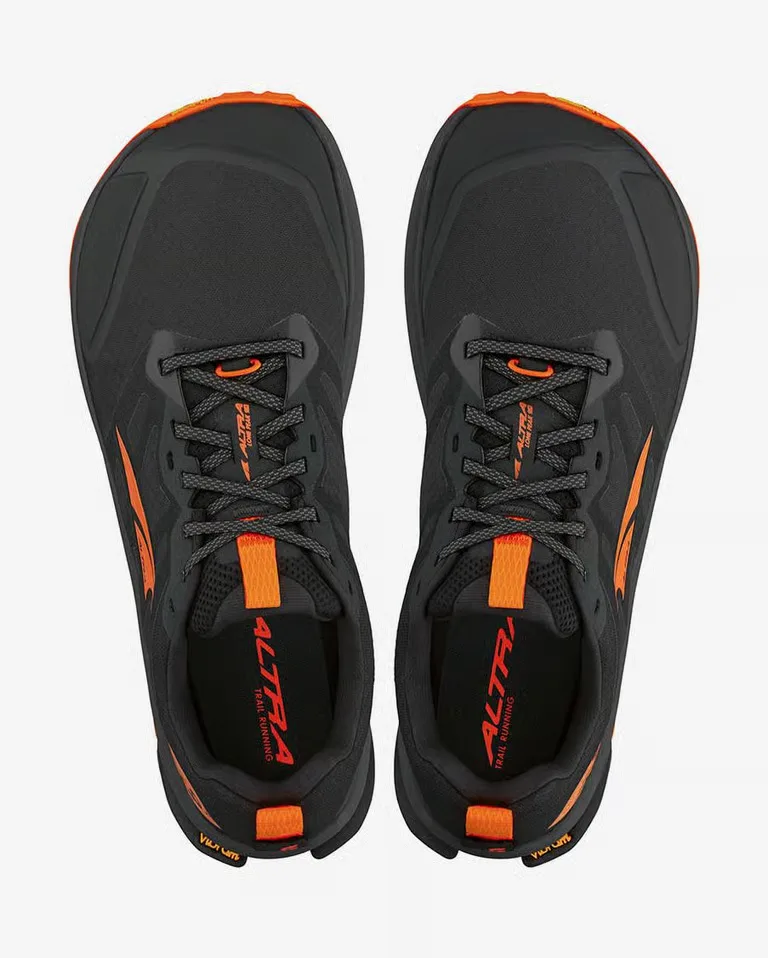
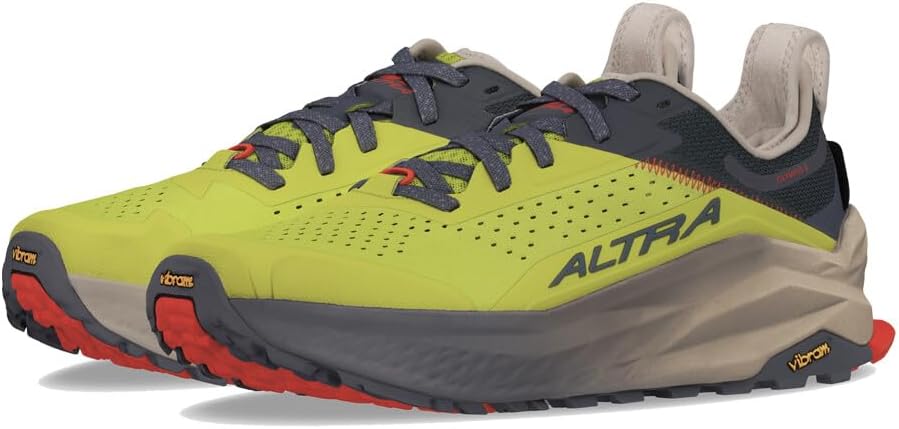 Altra Lone Peak 9 vs Altra Olympus 6See the head-to-head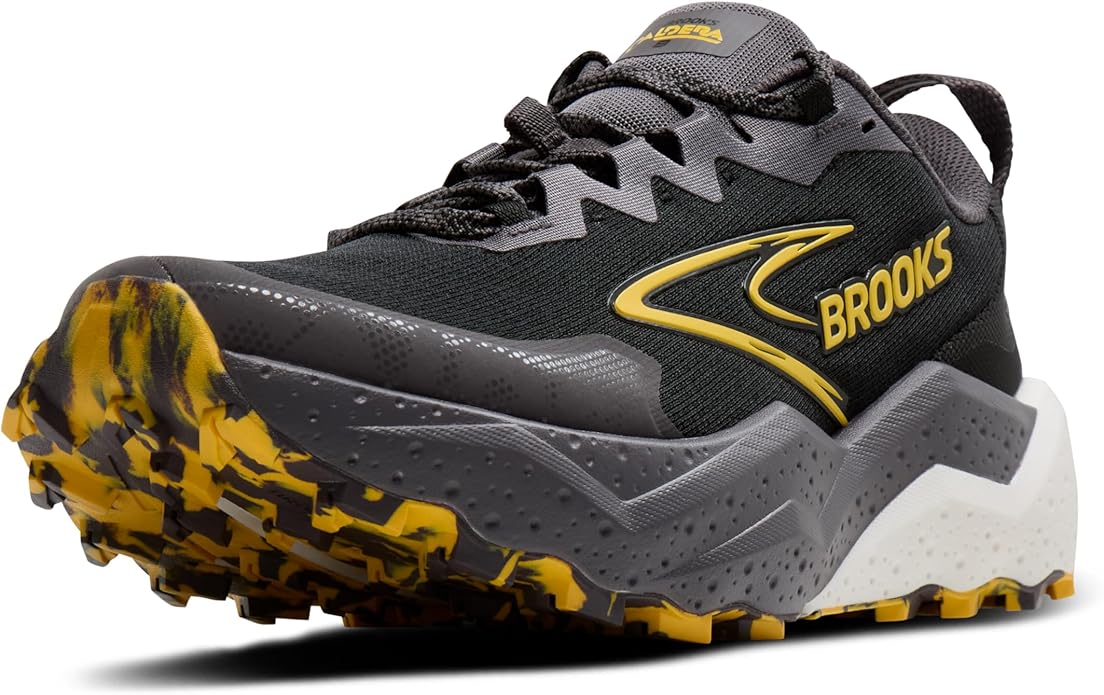
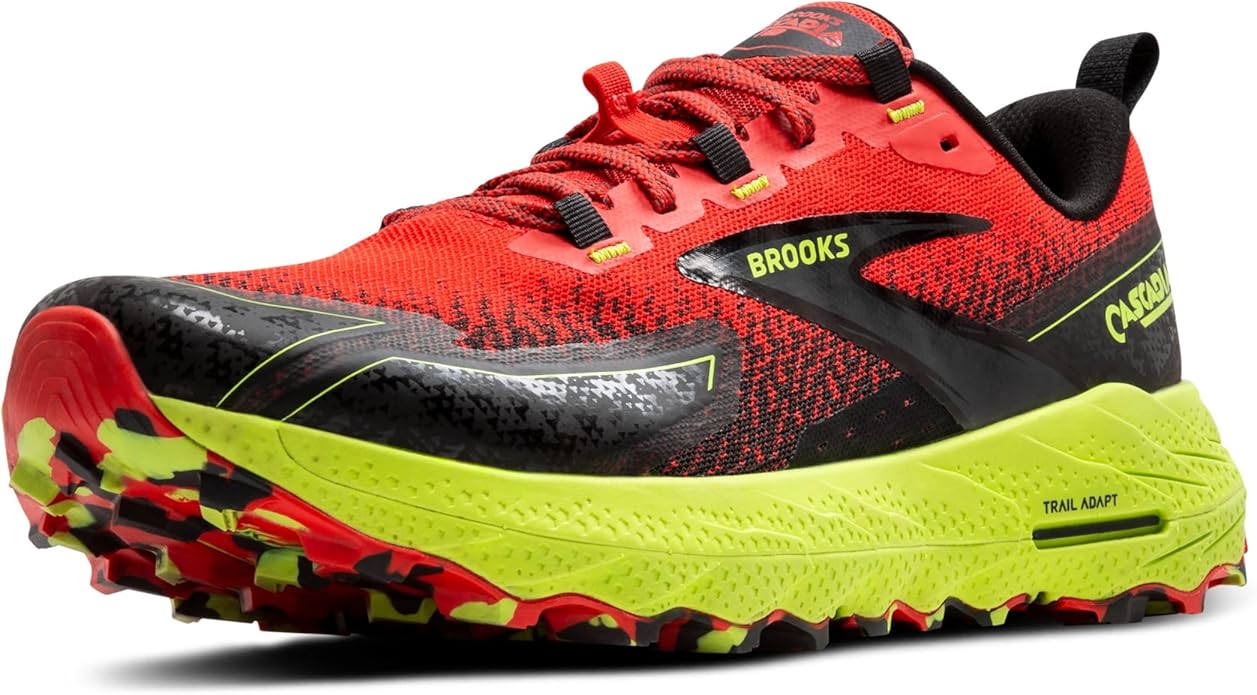 Brooks Caldera 8 vs Brooks Cascadia 18See the head-to-head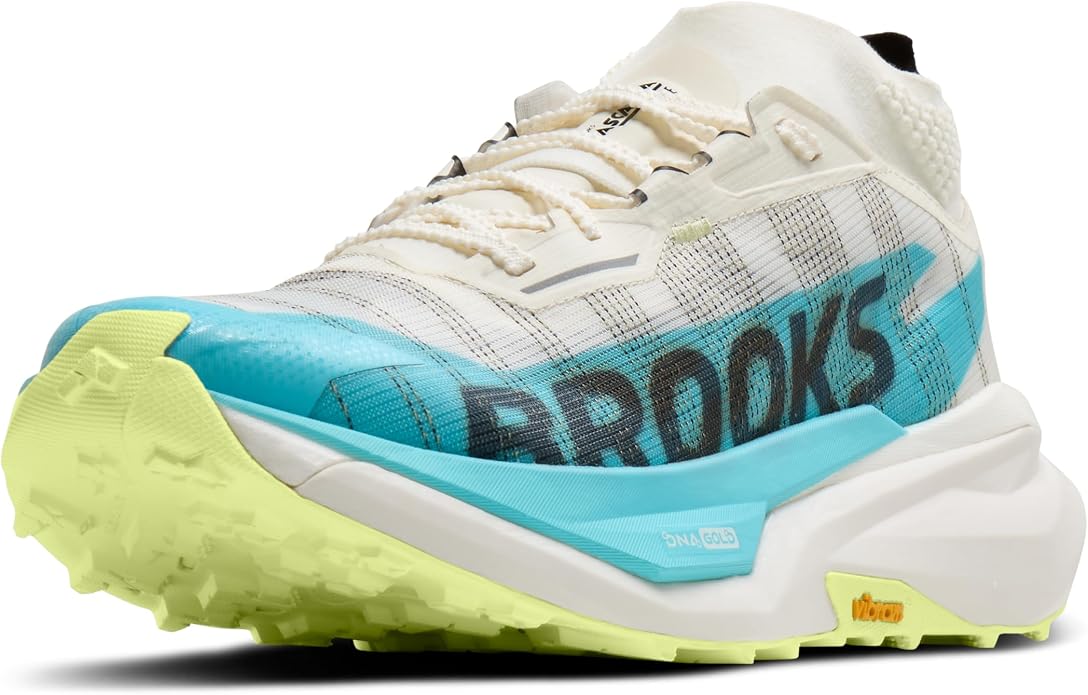
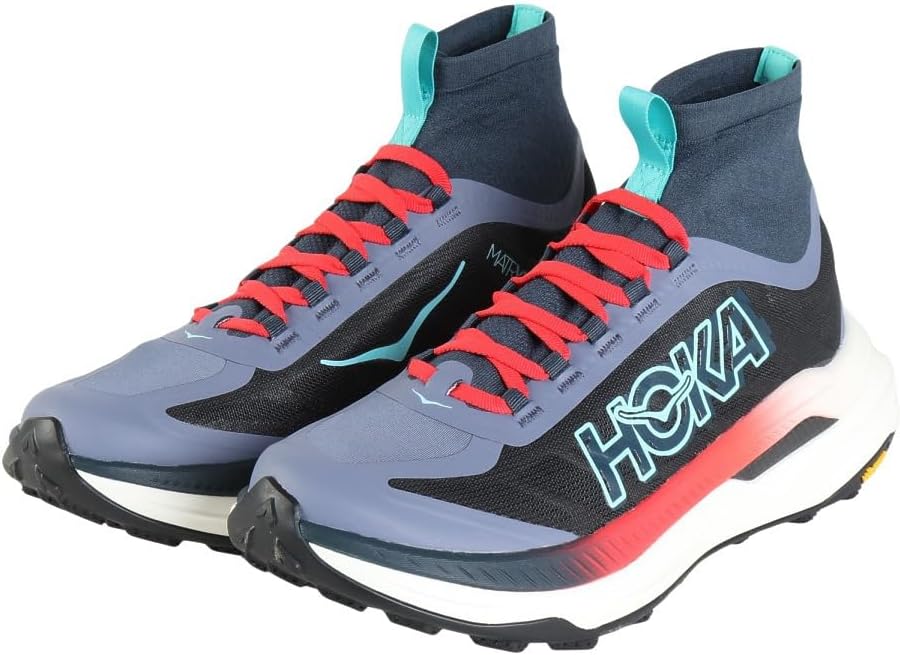 Brooks Cascadia Elite vs Hoka Tecton X3See the head-to-head
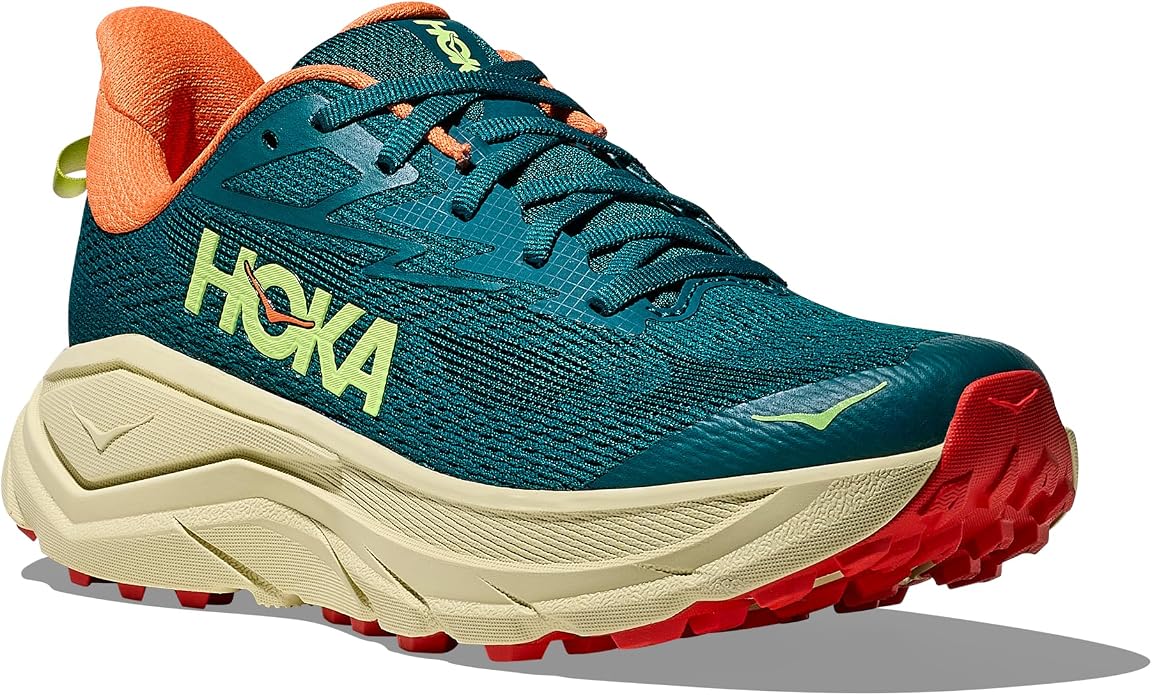 Hoka Challenger 8 vs Hoka Speedgoat 7See the head-to-head
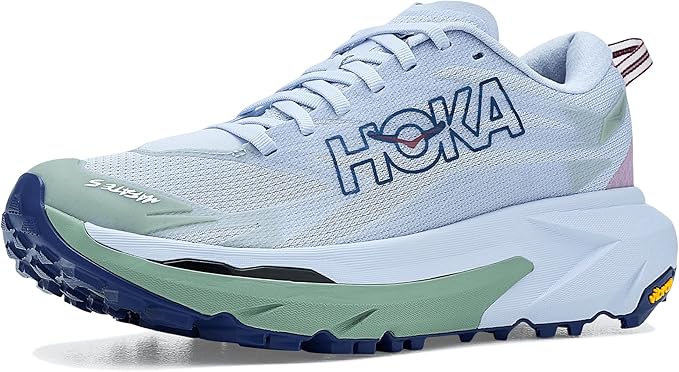 Hoka Mafate 5 vs Hoka Speedgoat 7See the head-to-head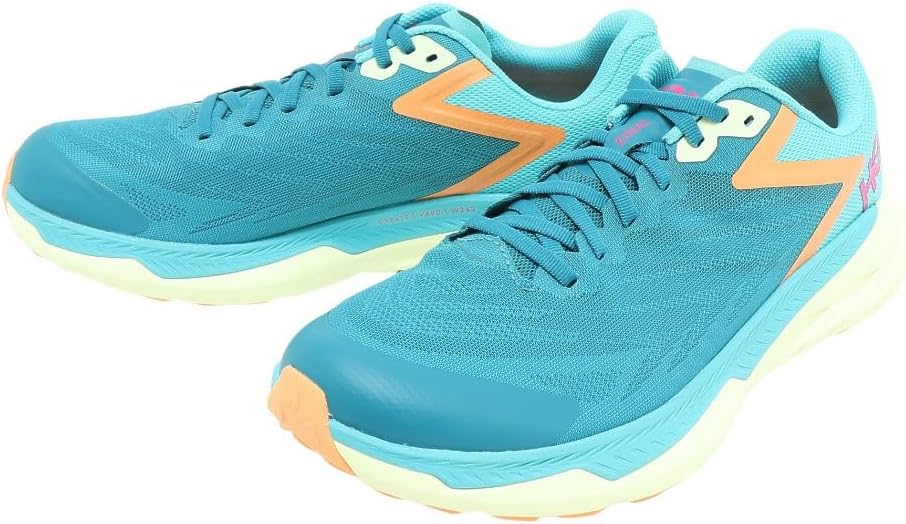
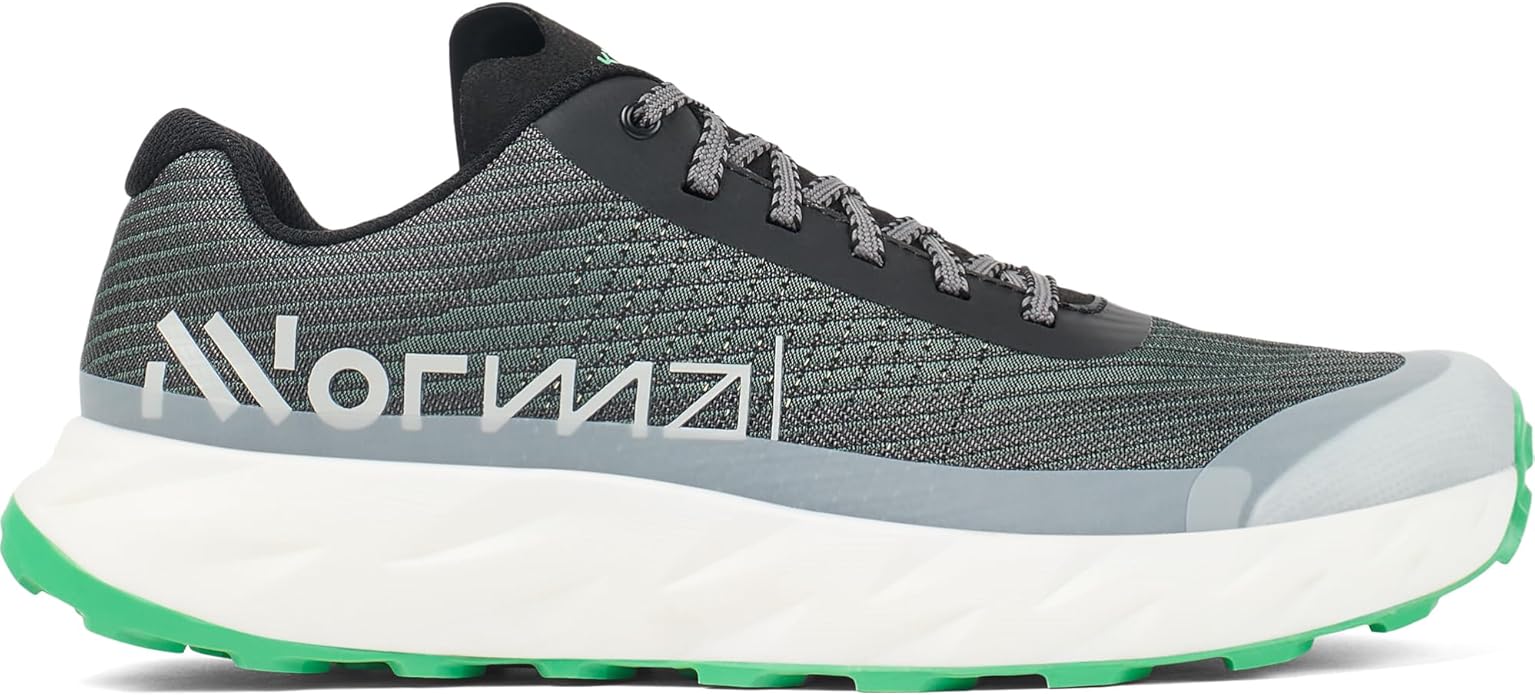 Hoka Zinal 2 vs NNormal KjeragSee the head-to-head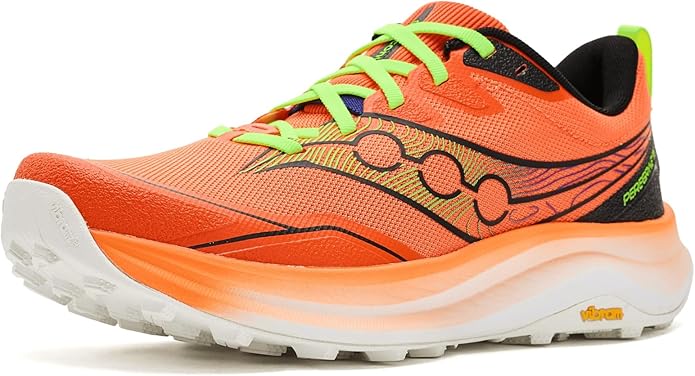
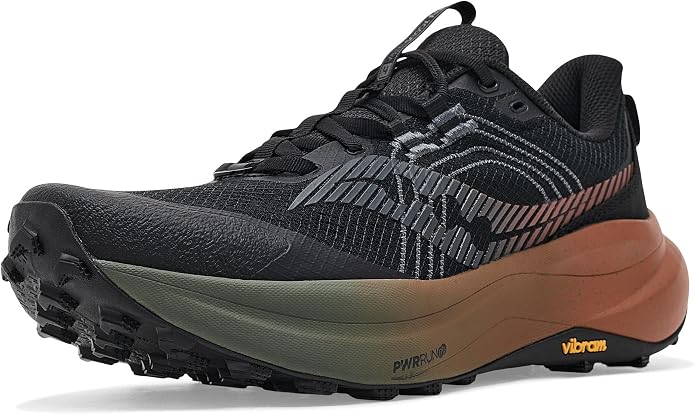 Saucony Peregrine 16 vs Saucony Xodus Ultra 4See the head-to-head
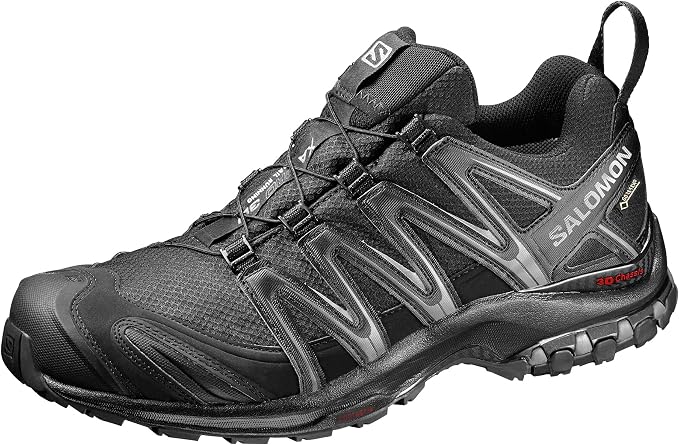 Salomon Speedcross 6 vs Salomon XA Pro 3D Gore-TexSee the head-to-head
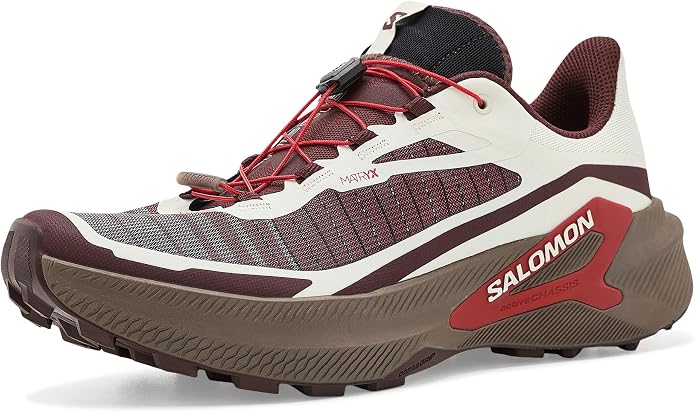 Salomon Genesis 2 vs Salomon Speedcross 6See the head-to-head
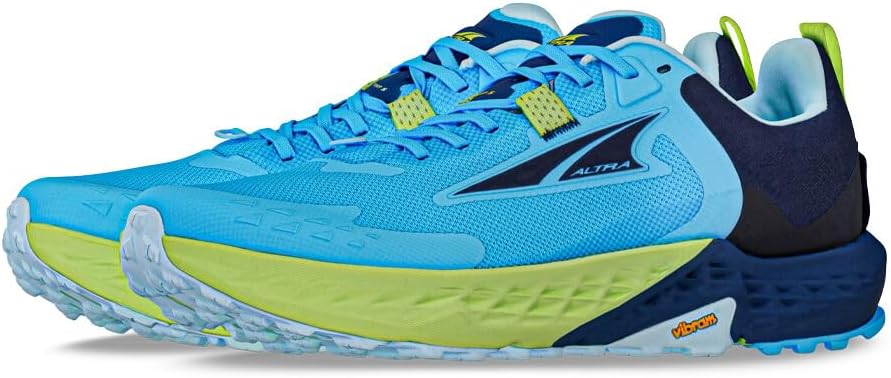 Altra Lone Peak 9 vs Altra Timp 5See the head-to-head
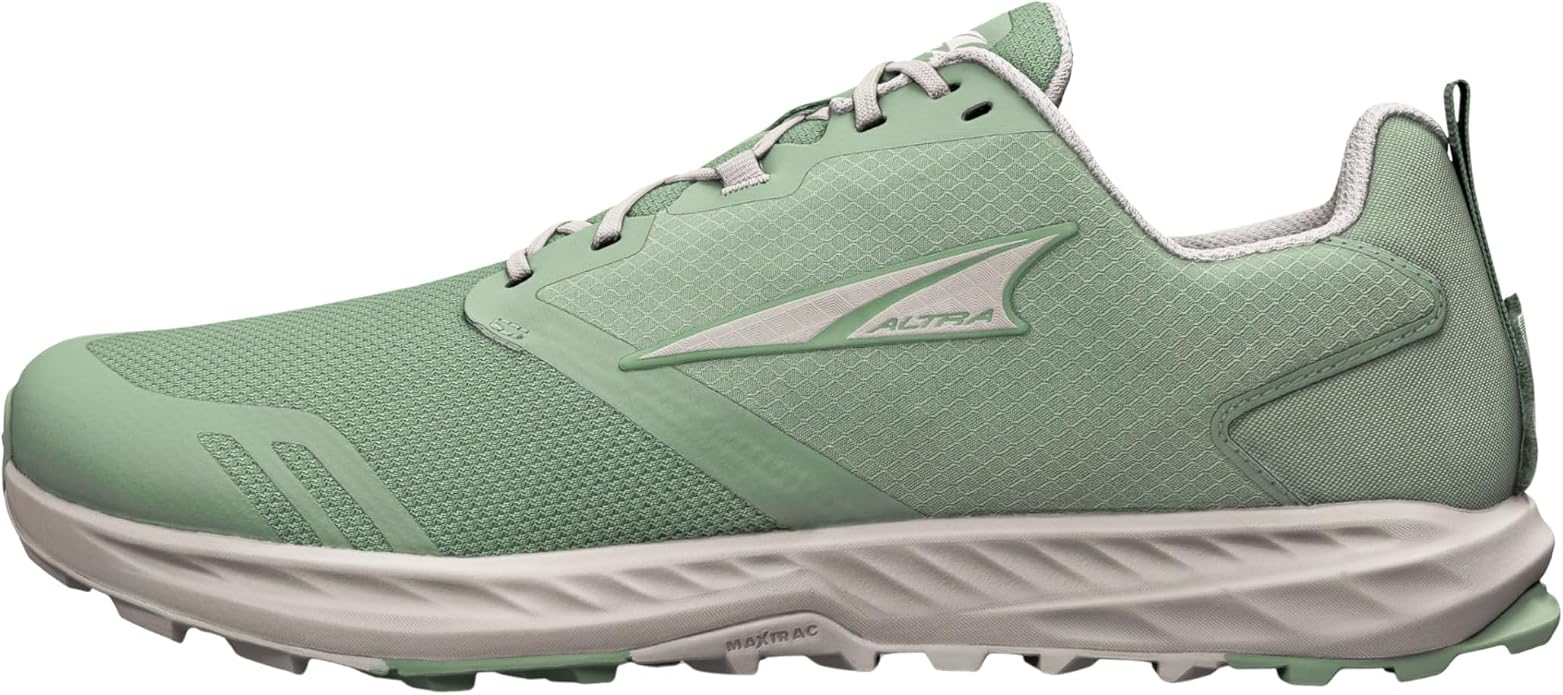 Altra Lone Peak 9 vs Altra Superior 7See the head-to-head
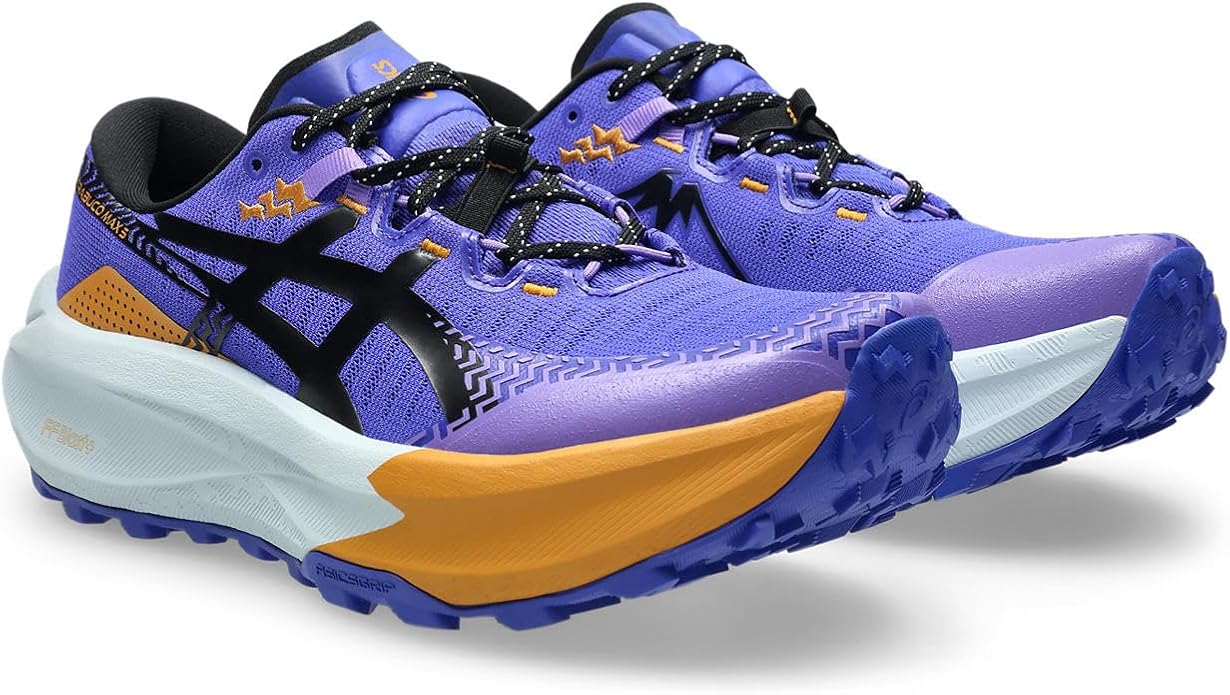 Asics Trabuco Max 5 vs Brooks Caldera 8See the head-to-head
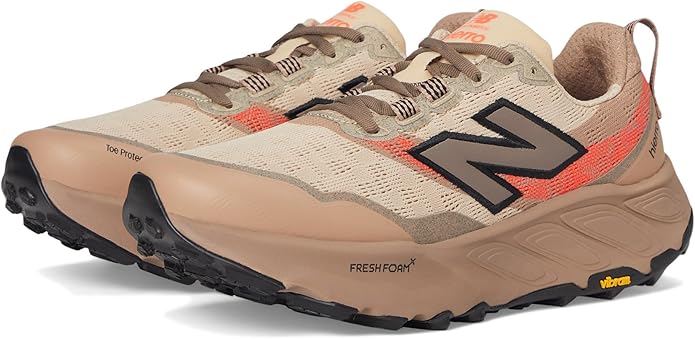 Hoka Speedgoat 7 vs New Balance Fresh Foam X Hierro v9See the head-to-head
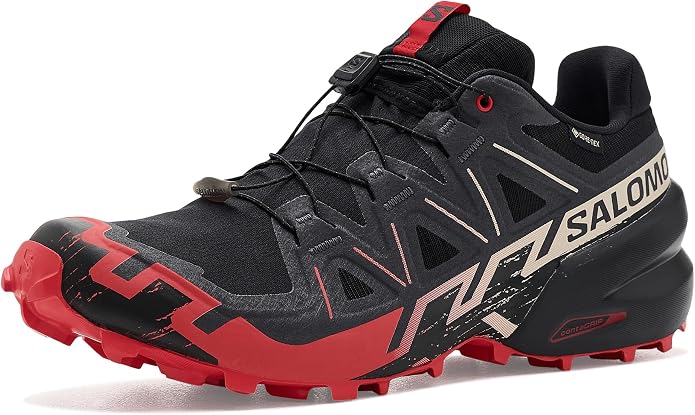 Salomon Speedcross 6 vs Salomon Speedcross 6 GTXSee the head-to-head
- Brooks Cascadia 18 vs Hoka Speedgoat 7See the head-to-head
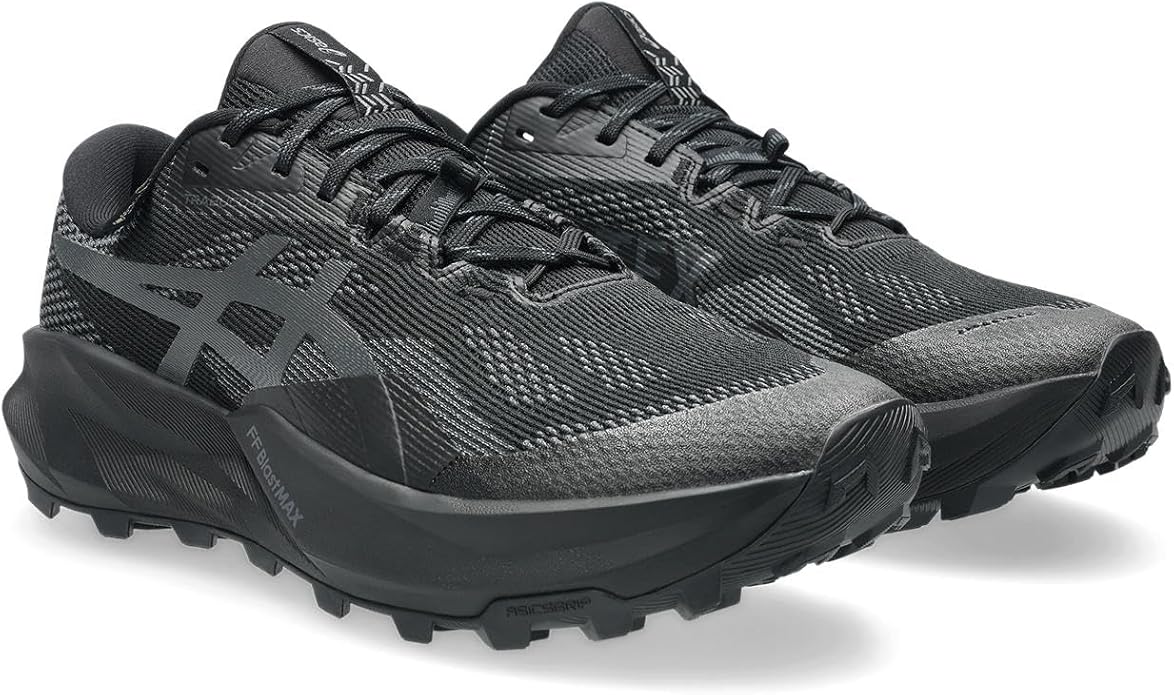 Asics Gel-Trabuco 14 GTX vs Hoka Speedgoat 7See the head-to-head
- Hoka Speedgoat 7 vs Saucony Peregrine 16See the head-to-head
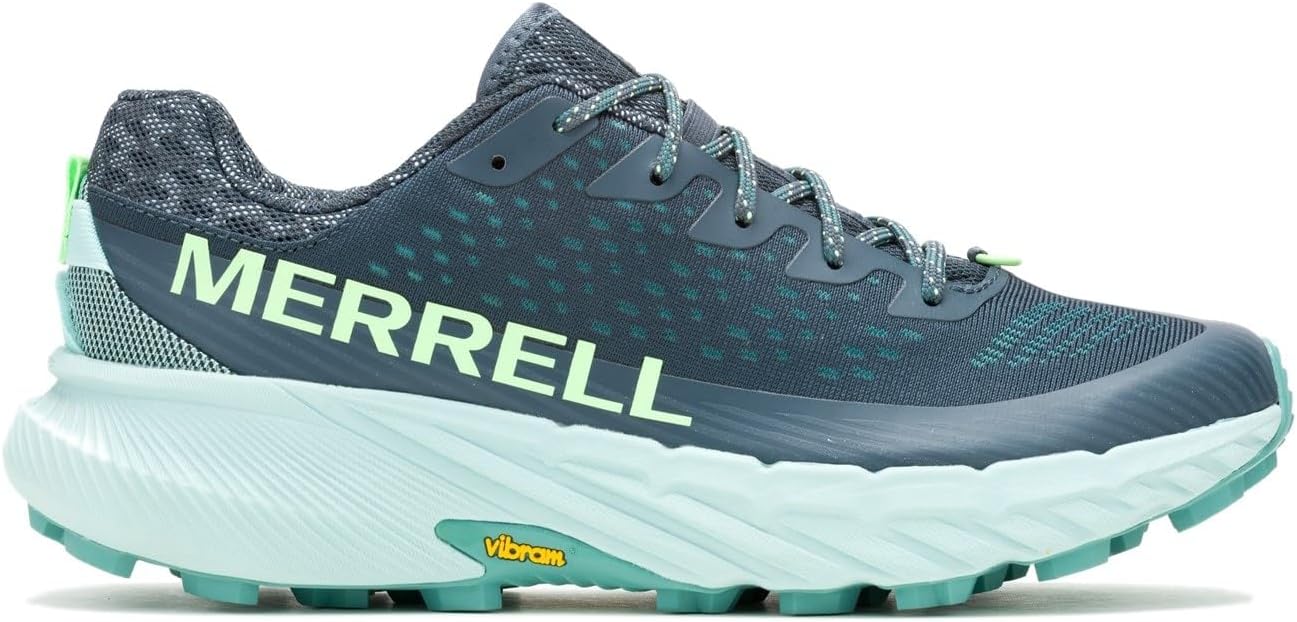 Brooks Cascadia 18 vs Merrell Agility Peak 5See the head-to-head
- Hoka Challenger 8 vs Hoka Mafate 5See the head-to-head
- Merrell Agility Peak 6 vs Saucony Peregrine 16See the head-to-head
Trail running shoe FAQ
What is the drop of a trail running shoe?
Drop is the height difference between heel and forefoot, in millimetres. A low drop (0–4 mm) encourages a more natural, forefoot-oriented stride; a high one (8–10 mm) relieves calves and Achilles. If you change drop, do it gradually. See the Lone Peak 9 vs Olympus 6 duel as a zero-drop example.
What is stack height and how much do I need?
Stack is the total height of foam between your foot and the ground. More stack means more cushioning and comfort over long distances, but less ground feel and sometimes less stability. Ultras usually call for more stack; technical short mountain runs for less.
What are lugs and what depth is best?
Lugs are the raised patterns on the outsole. With 3–4 mm you get good grip on dirt and dry rock; with 5–6 mm or more, in mud and soft ground. Very deep lugs grip more but feel odd on tarmac and hard trail. Check the lug row in the comparison.
What is a wide toe box and when does it help?
A wide toe box gives toes room to splay when pushing off and keeps them from squeezing on long descents. It helps if you get blisters or your feet swell on ultras. A narrow fit gives more precision and hold on technical terrain.
Is a carbon-plated shoe worth it for trail?
A carbon plate adds propulsion and stiffness, useful in fast races with little technical climbing. On very technical terrain you notice it less and it can make the shoe less stable. They cost more: check whether your terrain and pace make use of it.
Do I need a waterproof (Gore-Tex) shoe?
A Gore-Tex-type membrane shoe protects from water and light snow and adds a bit of warmth, but it breathes less and dries slower if water gets inside. In cold, wet weather it is worth it; in heat or with lots of stream crossings, a non-waterproof shoe that drains is often better.
How much should a trail running shoe weigh?
Less weight means less fatigue and a quicker feel; light shoes (under 280 g) prioritise agility. Heavier ones usually offer more protection, cushioning and durability. Choose by distance and terrain, not weight alone.
Which shoe for an ultra and which for technical mountains?
For ultras: more cushioning, a comfortable fit and good durability. For technical mountains and mud: more lugs, a sticky outsole and stability. If you run everything, look for a middle ground. Use the multi-compare to put them side by side.