Stimatore del tempo nel trail running
Calcola quanto ci metterai a completare la tua prossima gara di trail. Inserisci i dati del percorso e il tuo livello per ottenere una stima con la ripartizione per componente.
Riferimento rapido dei tempi trail
Velocità verticale tipica (salita)
- Principiante: 350–450 m/h
- Intermedio: 500–600 m/h
- Avanzato: 700–800 m/h
- Elite: 900–1100 m/h
Fattore di fatica da ultra
- < 42 km: nessuna penalità
- 42–80 km: +3–5% tempo
- 80–120 km: +8–12% tempo
- 120–170 km: +15–20% tempo
Dati della gara
Tempo stimato
Tempo limite della gara
L'orologio per centrare questo tempo il giorno della gara
Un GPS che mostra in tempo reale il tuo passo obiettivo e ti avvisa quando freni troppo nelle discese. Non mostriamo mai un prezzo: controllalo su Amazon.
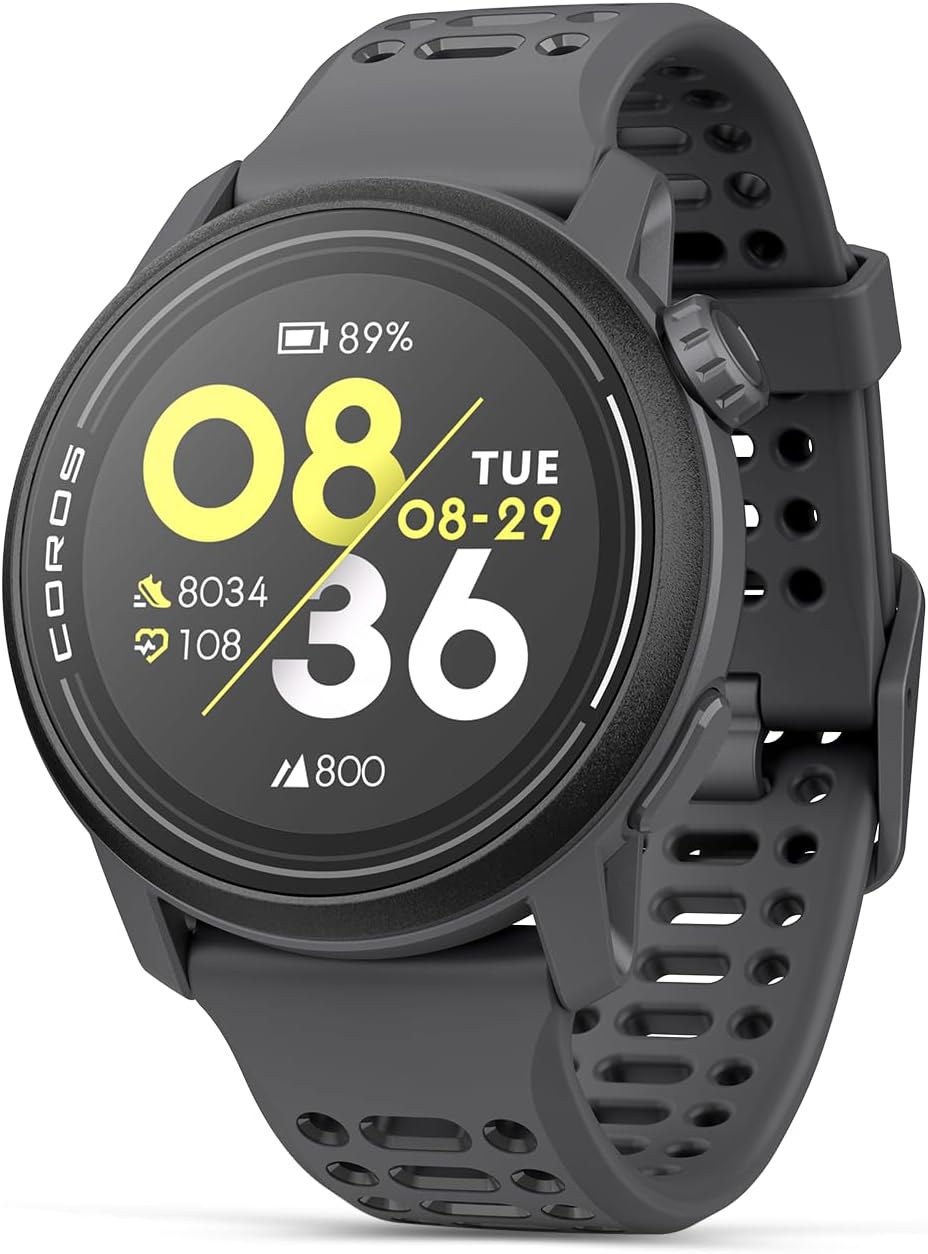
La nostra scelta
Coros Pace 3
Trail running GPS watch with track navigation, barometric altimeter and up to 38 h battery life in GPS mode
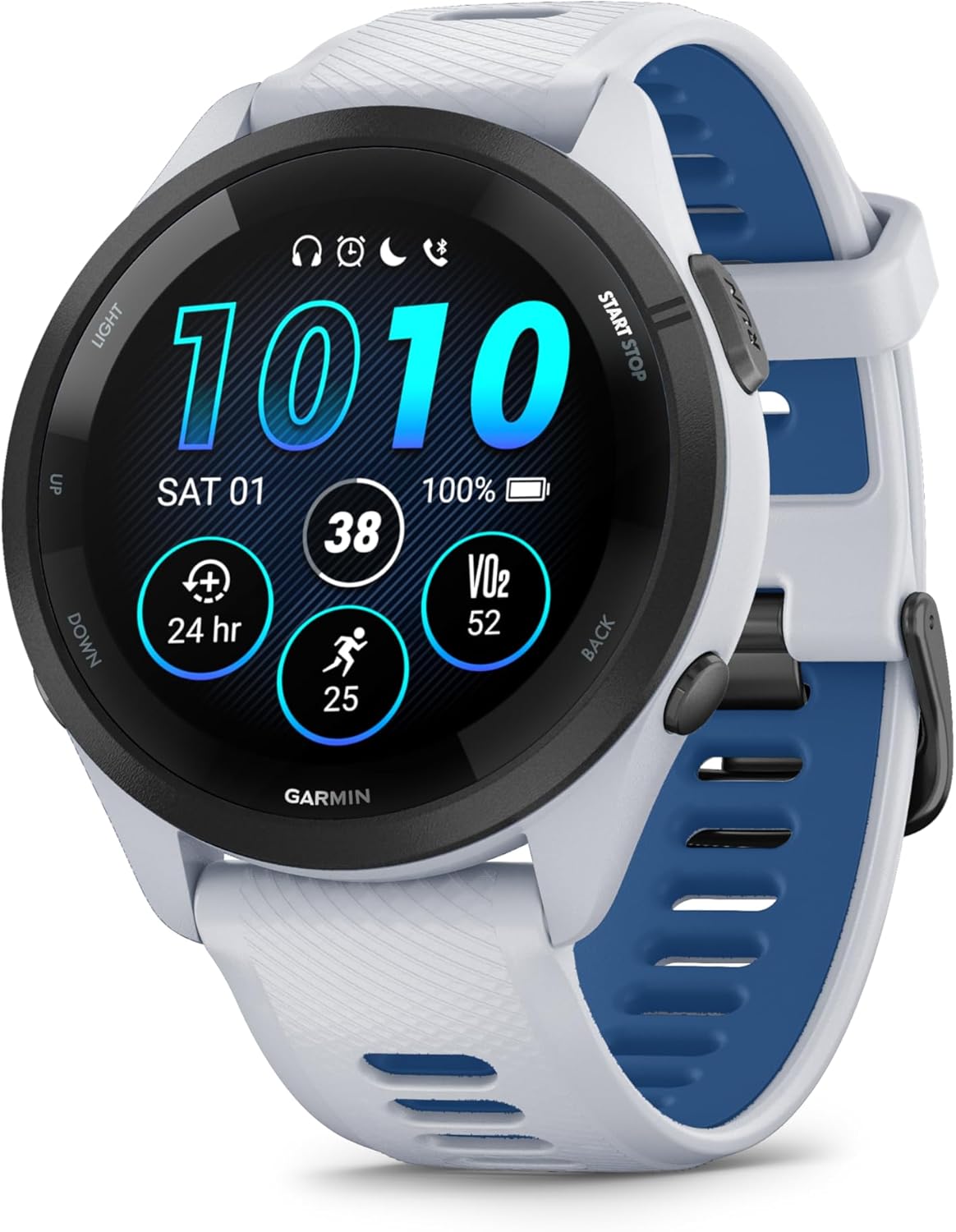
Alternativa
Garmin Forerunner 265
Running watch with AMOLED display, dual-frequency multi-band GPS and onboard music
Alcuni link sono di affiliazione. Se acquisti tramite questi, guadagniamo una commissione senza costi aggiuntivi per te.
Tempo in piano
Tempo in salita
Tempo in discesa
Attrezzatura e nutrizione per il tuo tempo obiettivo
Materiale e carburante per ottimizzare la tua gara
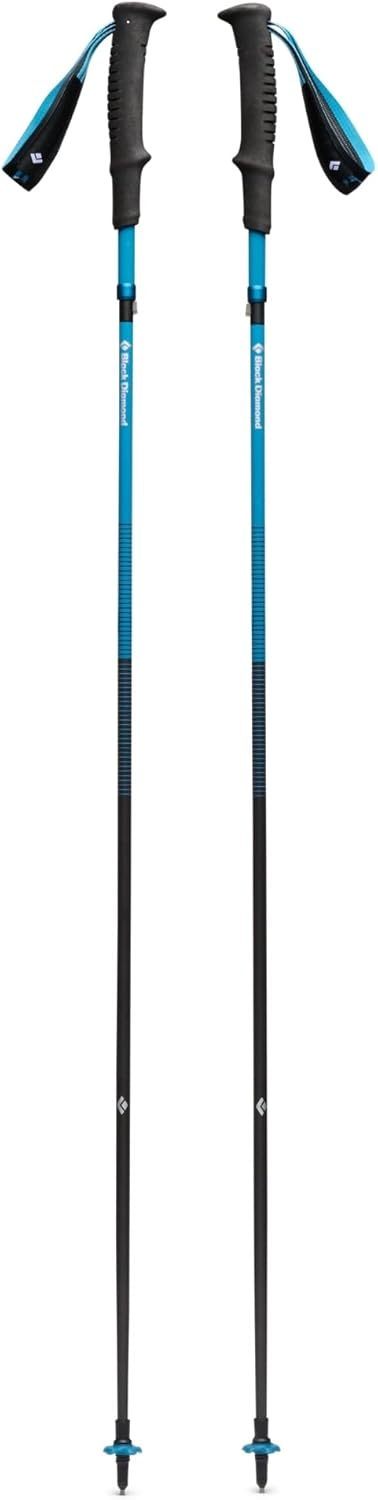
Black Diamond
Black Diamond Distance Carbon Z
Ultralight carbon Z-pole foldable trekking poles. 137 g per pole in 110 cm length, 33 cm folded. EVA grip and adjustable strap. The trail running reference.
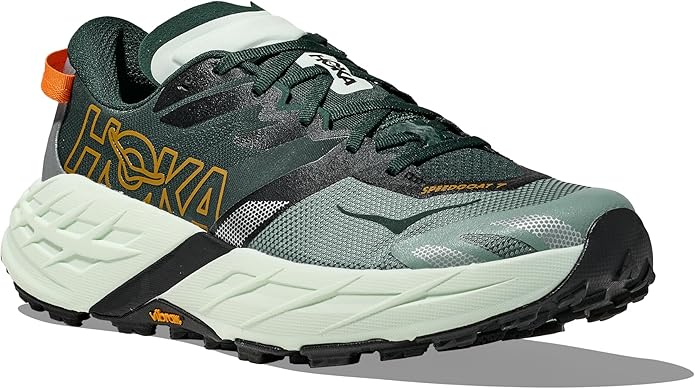
Hoka
Hoka Speedgoat 7
The best-selling trail shoe in the US and an absolute ultra-trail classic. Max Hoka cushioning, a Vibram Megagrip outsole with 5 mm lugs for grip in mud and technical terrain, and a snug Matryx upper. Built to eat up kilometres without punishing your legs in long races.

Maurten
Maurten Gel 100
Hydrogel gel with 25 g of carbohydrates. The hydrogel technology encapsulates carbohydrates for absorption without gastric discomfort. Neutral flavour, no artificial sweeteners. Used by elite runners in marathon and ultra.

Crown Sport Nutrition
Crown Sport Nutrition 3:1 Recovery+
Muscle recovery drink based on whey isolate protein with a 3:1 carbohydrate-to-protein ratio, enriched with L-Leucine and L-Glutamine. Informed Sport certified and with no added allergens. 750 g format, watermelon flavour.
Alcuni link sono di affiliazione. Se acquisti tramite questi, guadagniamo una commissione senza costi aggiuntivi per te.
Riepilogo
Passo medio
Velocità di salita
Velocità di discesa
Km-sforzo
Fattori applicati
Domande frequenti
How is the estimated time calculated?
The estimator uses a three-component model: flat time (based on your pace), climb time (based on your vertical ascent speed) and descent time. It then applies correction factors for terrain type and accumulated fatigue at long distances. This is the same approach used by professional trail running coaches.
How accurate is the estimator?
For trail races with reliable distance and elevation data, typical accuracy is ±10-15%. Factors like altitude, weather, your fitness on the day or downhill technique can affect the result. That's why we show an optimistic-conservative range.
What is vertical speed?
Vertical speed (m/h) measures how many meters of elevation gain you can climb per hour. A beginner runner climbs at around 400 m/h, while an elite can exceed 1000 m/h. It is one of the most important metrics in trail running because climbs consume most of the time in mountain races.
Why does the time increase disproportionately at ultra distances?
At distances over 42 km, the body accumulates muscular, digestive and mental fatigue that progressively slows the pace. This effect is called "ultra fatigue" and is normal: even elite runners slow down 15-20% in the final hours of an ultra trail. Our model applies a fatigue factor based on total distance.
How do I choose my runner level?
Beginner: your first trail or less than 1 year running in the mountains. Intermediate: you run trails regularly, you have completed a race of 20-40 km. Advanced: you compete regularly, you have finished ultras, you train 4-5 days/week. Elite: you place in the top positions, you train 6+ days/week, you have a high ITRA index.
What if I don't know the negative elevation (D−)?
If you don't know it, leave it equal to the positive elevation (D+). In most loop or point-to-point races, D+ and D− are very similar. They only differ significantly in races that finish at a very different altitude from the start.
Come funziona lo stimatore del tempo
Questo stimatore calcola il tuo tempo di gara con un modello a tre componenti adattato al trail running:
- Componente orizzontale: il tempo che impieghi a coprire la distanza in piano, in base al tuo passo di base.
- Componente di salita: il tempo aggiuntivo per salire, calcolato in base alla tua velocità verticale (metri/ora di dislivello positivo).
- Componente di discesa: il tempo di discesa, che aggiunge anch'esso tempo, anche se meno della salita.
A questo tempo di base si applicano due fattori di correzione:
- Fattore terreno: un sentiero tecnico con rocce e radici è più lento di uno scorrevole. Lo skyrunning con creste e passaggi di arrampicata è ancora più lento.
- Fattore di fatica da ultra: oltre i 42 km, il corpo perde progressivamente efficienza a causa della fatica muscolare, digestiva e mentale.
Il risultato è un intervallo (ottimistico - prudente) perché nessun modello può prevedere con precisione fattori come il meteo, la tua forma il giorno della gara o il tempo passato ai ristori.