Trail running clothing for women across the menstrual cycle: a practical guide
Why the same gear doesn’t always fit the same way
Any runner knows there are days when the usual sports bra or leggings feel tighter, dig in, or chafe differently than normal. The gear hasn’t changed — the body has, over the course of the cycle, and some of those changes (breast sensitivity, a bloated feeling, fluid retention) directly affect how technical clothing behaves against the skin.
This guide isn’t a medical article and doesn’t try to explain the hormonal “why” behind each change — that’s better left to health-focused sources. It’s a practical gear guide: which features to prioritize in a sports bra, leggings, or shorts on days with more sensitivity, bloating, or chafing than usual, and which specific garments cover those needs.
Sports bra: adjustable support for sensitive days
On days with more breast sensitivity, a bra with a rigid band or prominent seams can go from “snug” to “uncomfortable” within a few kilometers. Two features help on those days:
- Differentiated cup sizing instead of uniform compression: it distributes support rather than flattening, which is easier on sensitive tissue.
- Adjustable straps and a wide band: they let you loosen things a notch without losing support, something a fixed-band bra can’t offer.
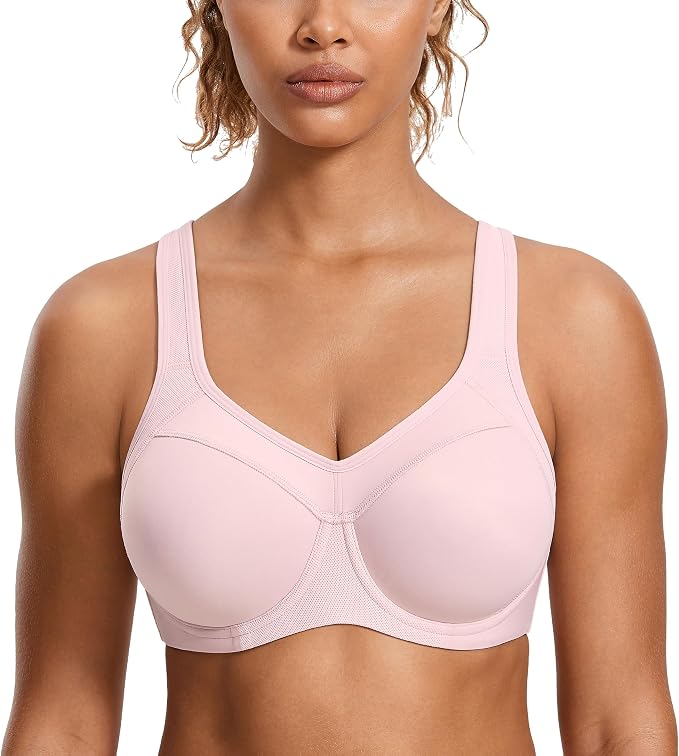
If you also notice chafing along the bra line (band or straps), a seamless construction — with no seams to concentrate friction — is the alternative:
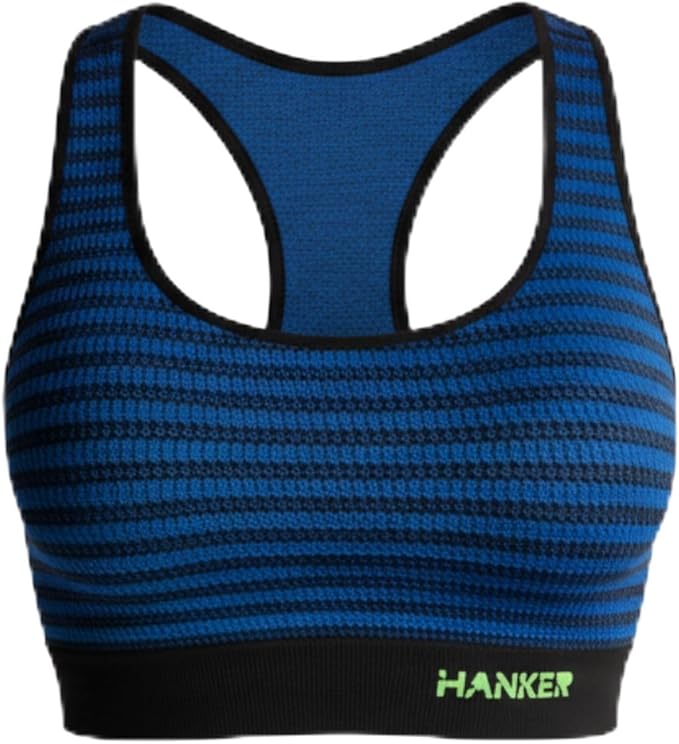
We go deeper into this technology in our guide to seamless clothing for women’s trail running.
Leggings: a waistband that adapts instead of digging in
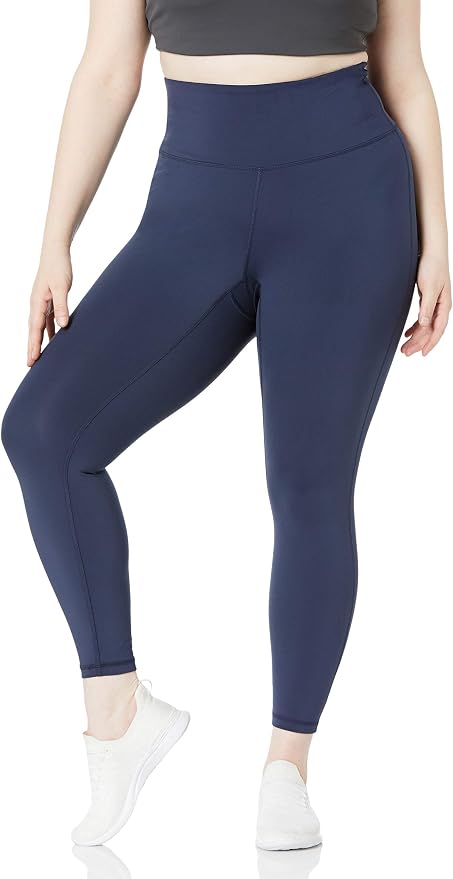
On days with more abdominal bloating, tight-waisted leggings or an exposed elastic band can dig in and feel uncomfortable on a long outing. What works best on those days:
- A wide, high-rise waistband that spreads pressure instead of concentrating it in a thin line.
- Compressive fabric with real stretch range, which accommodates volume changes without a squeezing sensation or having to pull the leggings down mid-run.
Compression shorts: an alternative when leggings feel too tight
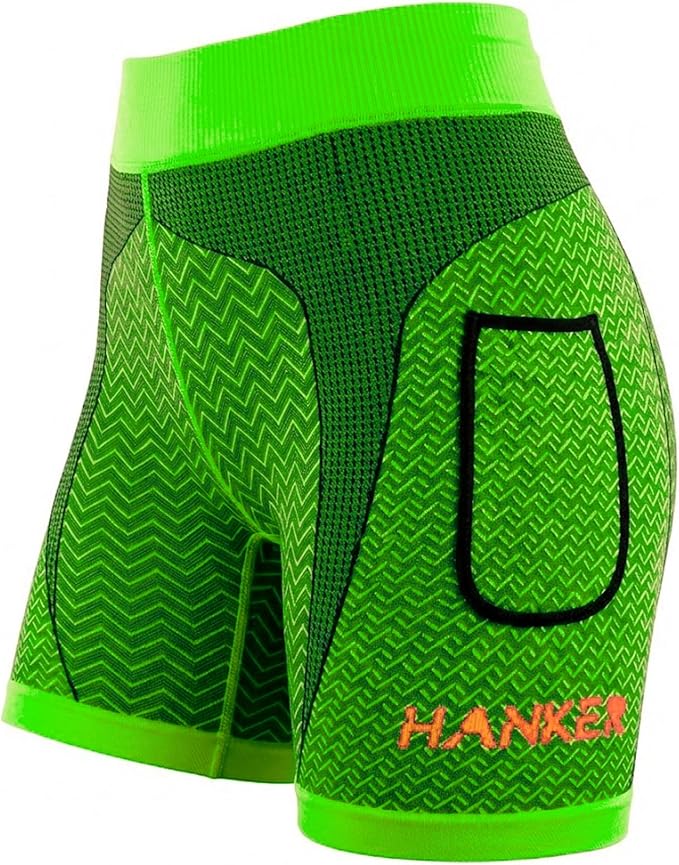
On warm days combined with bloating, full-length leggings can feel like too much. Compression shorts with a wide waistband offer similar support without covering the whole leg, and avoid chafing under a hydration belt or waist pack:
Chafing: the variable that shifts most from day to day
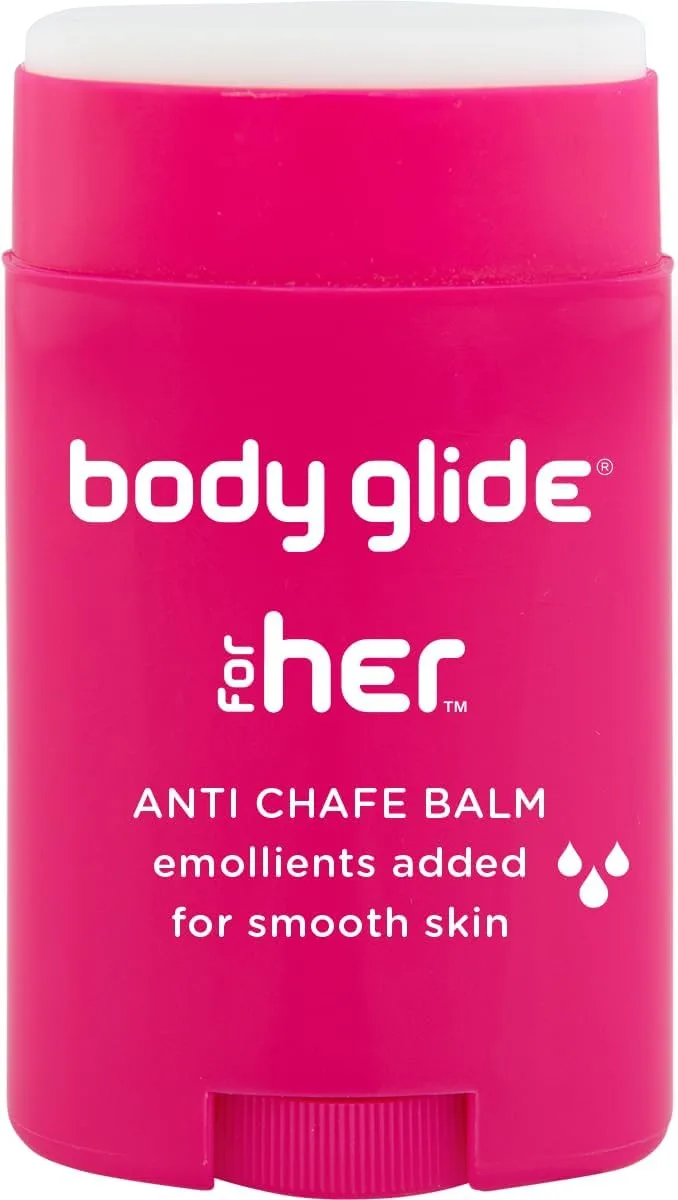
Fluid retention and friction between the thighs or under clothing can vary noticeably from one week to the next within the same cycle, even with identical gear and distance. When you notice more chafing than usual in an area that doesn’t normally bother you, an anti-friction balm applied before heading out is the fastest fix, regardless of what you’re wearing:
For the rest of the critical chafing zones in trail running, we have a full guide on preventing chafing.
Adjusting your gear day to day
In practice, most runners don’t overhaul their whole kit based on where they are in their cycle — they tweak a few details:
- A backup bra with more adjustable support for higher-sensitivity days, without giving up the rest of your usual wardrobe.
- Wider-waisted leggings or shorts as an alternative when your usual pair feels tight.
- Anti-friction balm always in the pack, not just for long races — variable days can show up in any training run.
None of these garments are exclusively “for your cycle”: they’re quality technical pieces that also give you more room to adjust on the days your body needs it.
Conclusion
You don’t need a parallel wardrobe for higher-sensitivity or bloated days — just a bra with adjustable support, wider-waisted leggings or shorts, and an anti-friction balm within reach. These are pieces that improve comfort on any trail outing, not just on the more demanding days of the cycle.