GPS trail watch comparisons: head-to-head
Pick two models and see them head-to-head: battery, weight, navigation and price differences to decide which one to buy.
Compare up to 5 at once
Type a model, pick it from the list and see them all in columns. The best in each row is highlighted in green.
Radar of the selection
The selection lives in the URL: copy it to share.
Three-watch comparisons
Watch-by-watch comparisons
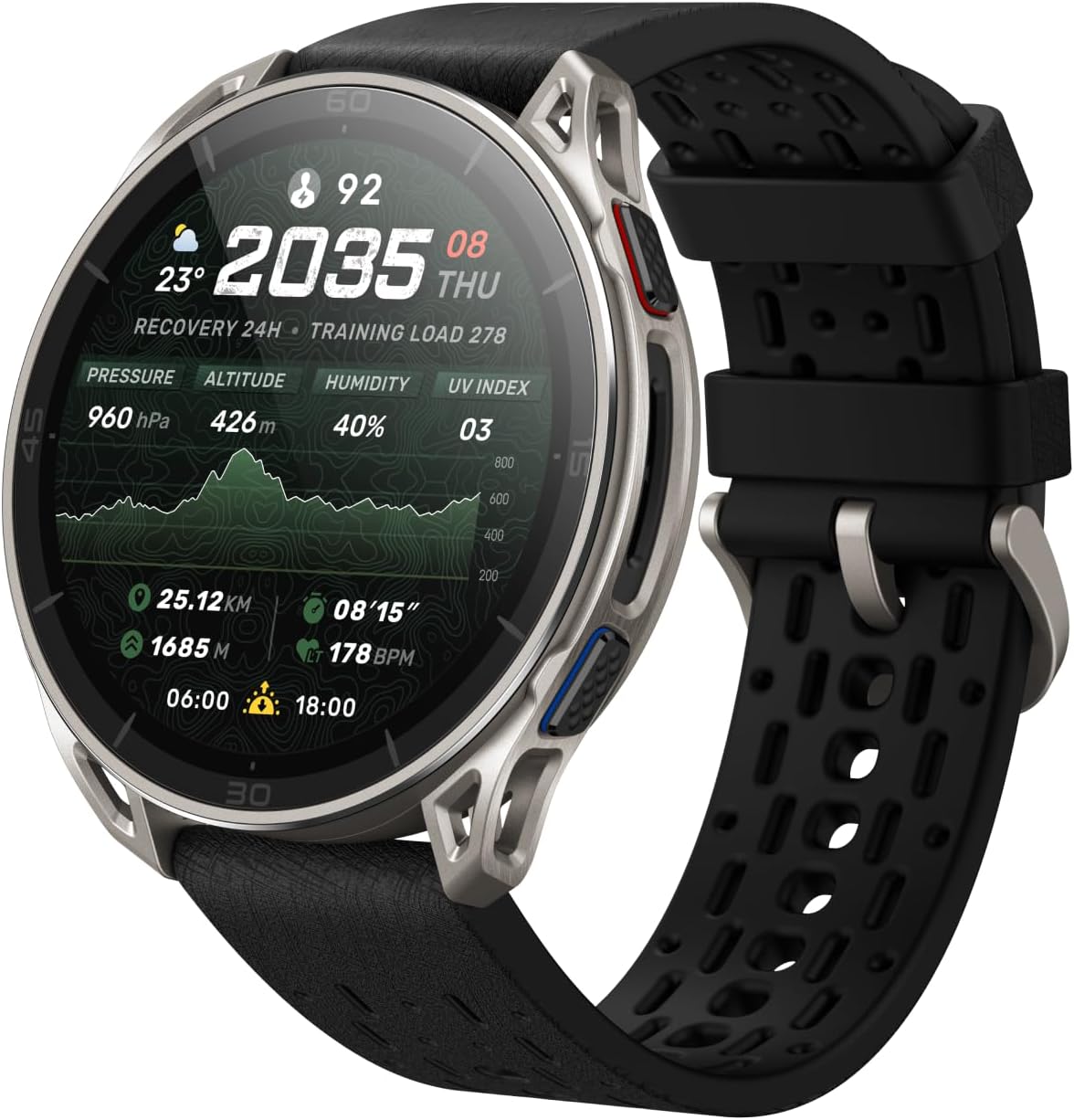
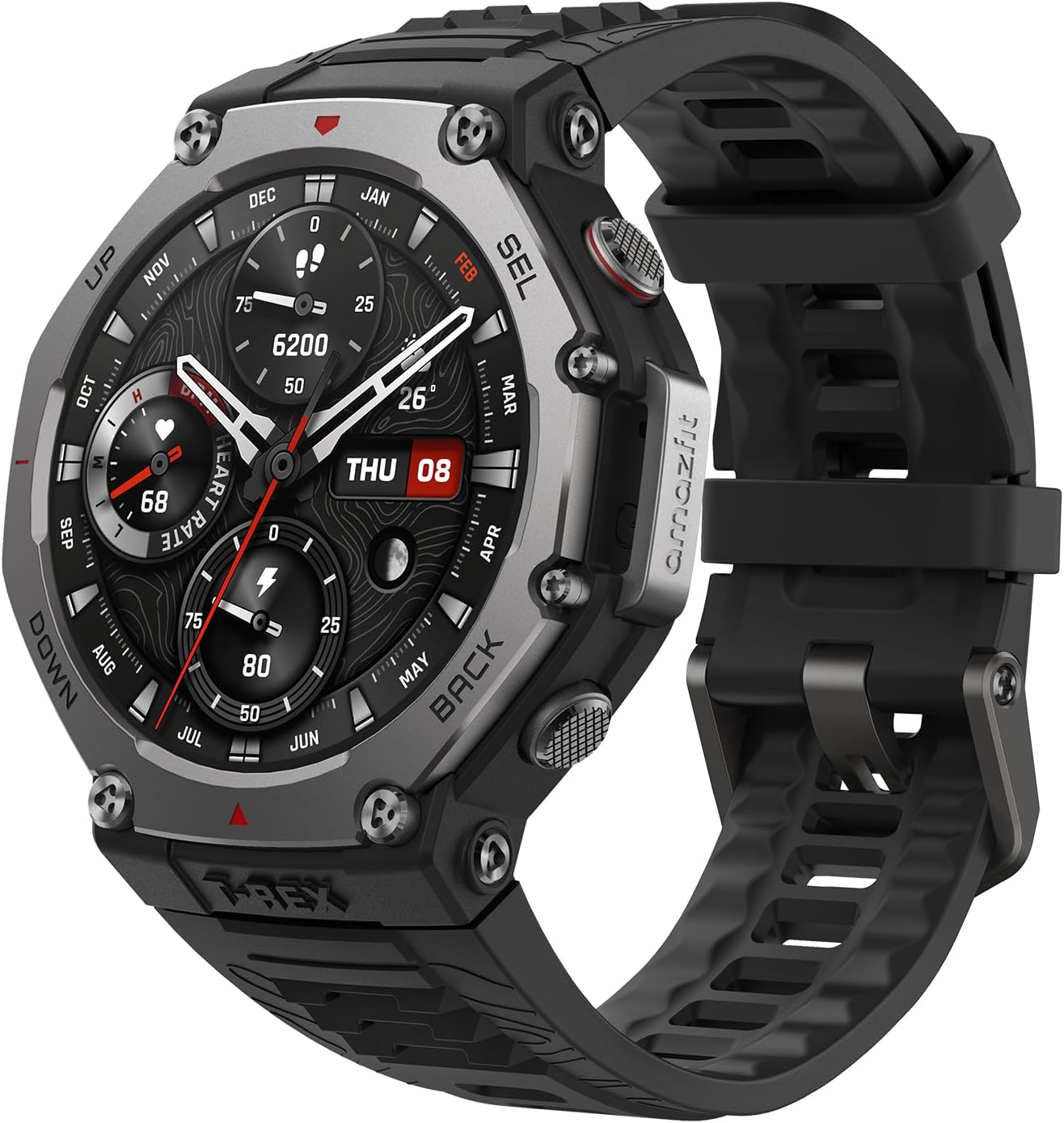 Amazfit Cheetah Pro vs Amazfit T-Rex 3See the head-to-head
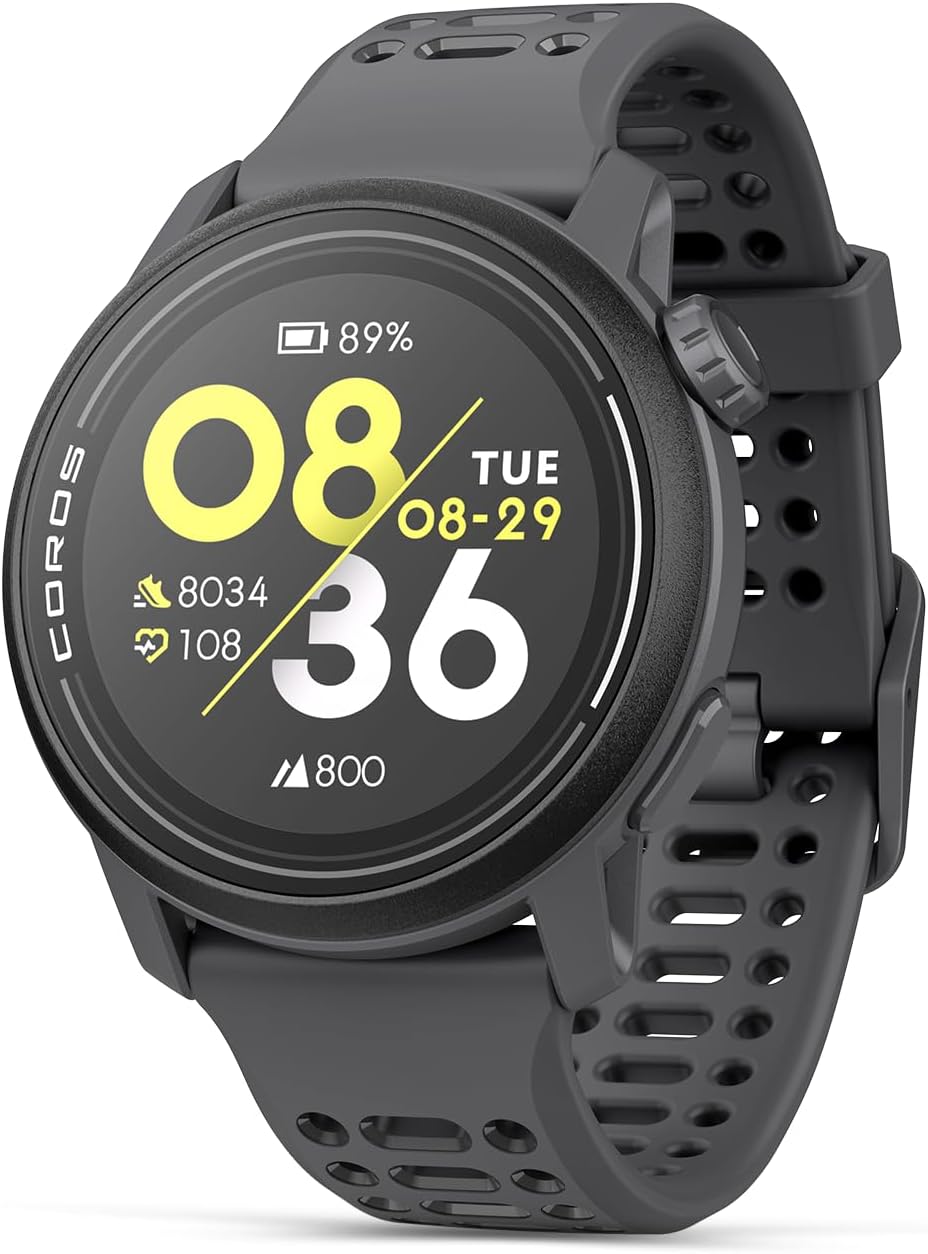 Amazfit Cheetah Pro vs Coros Pace 3See the head-to-head
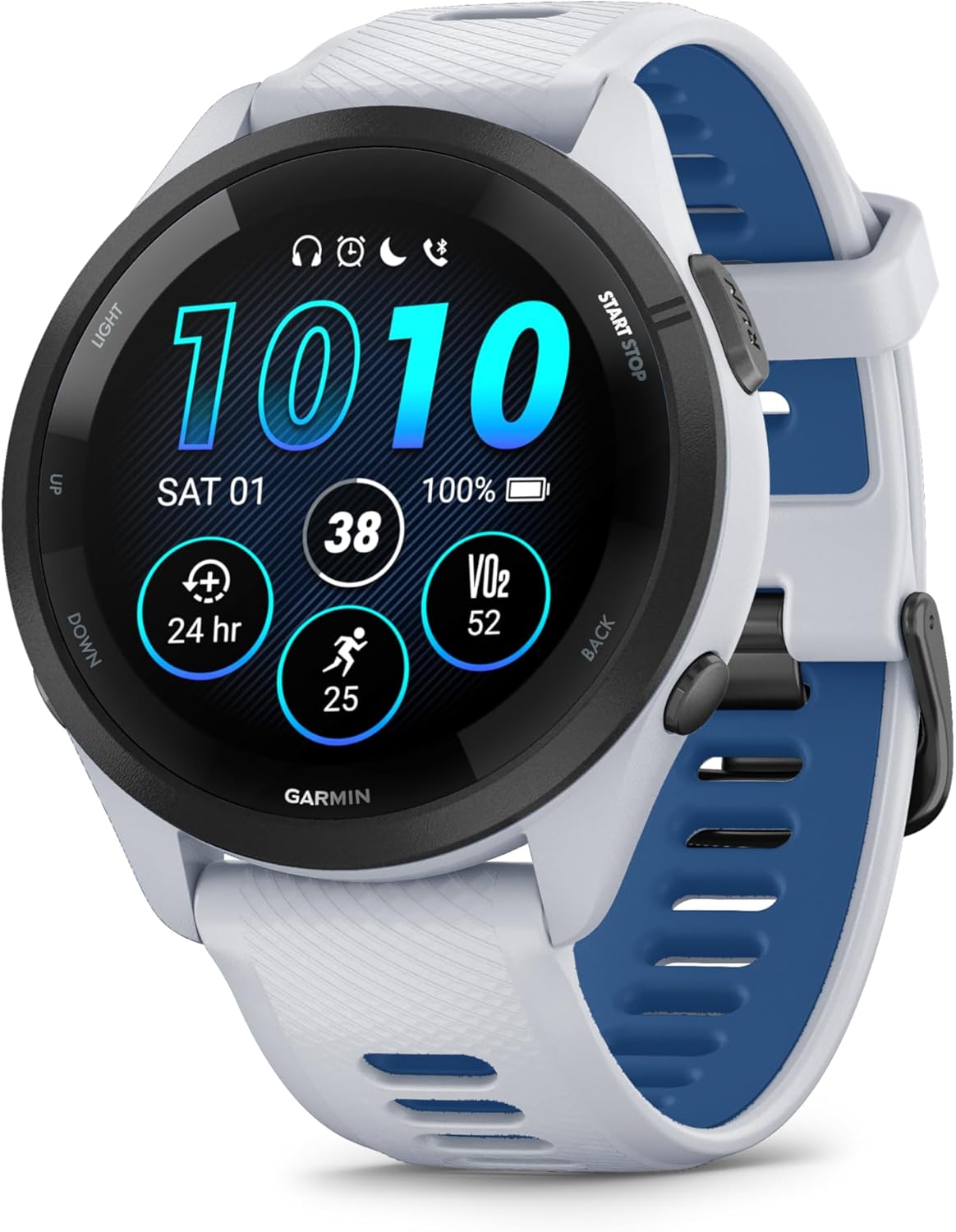 Amazfit Cheetah Pro vs Garmin Forerunner 265See the head-to-head
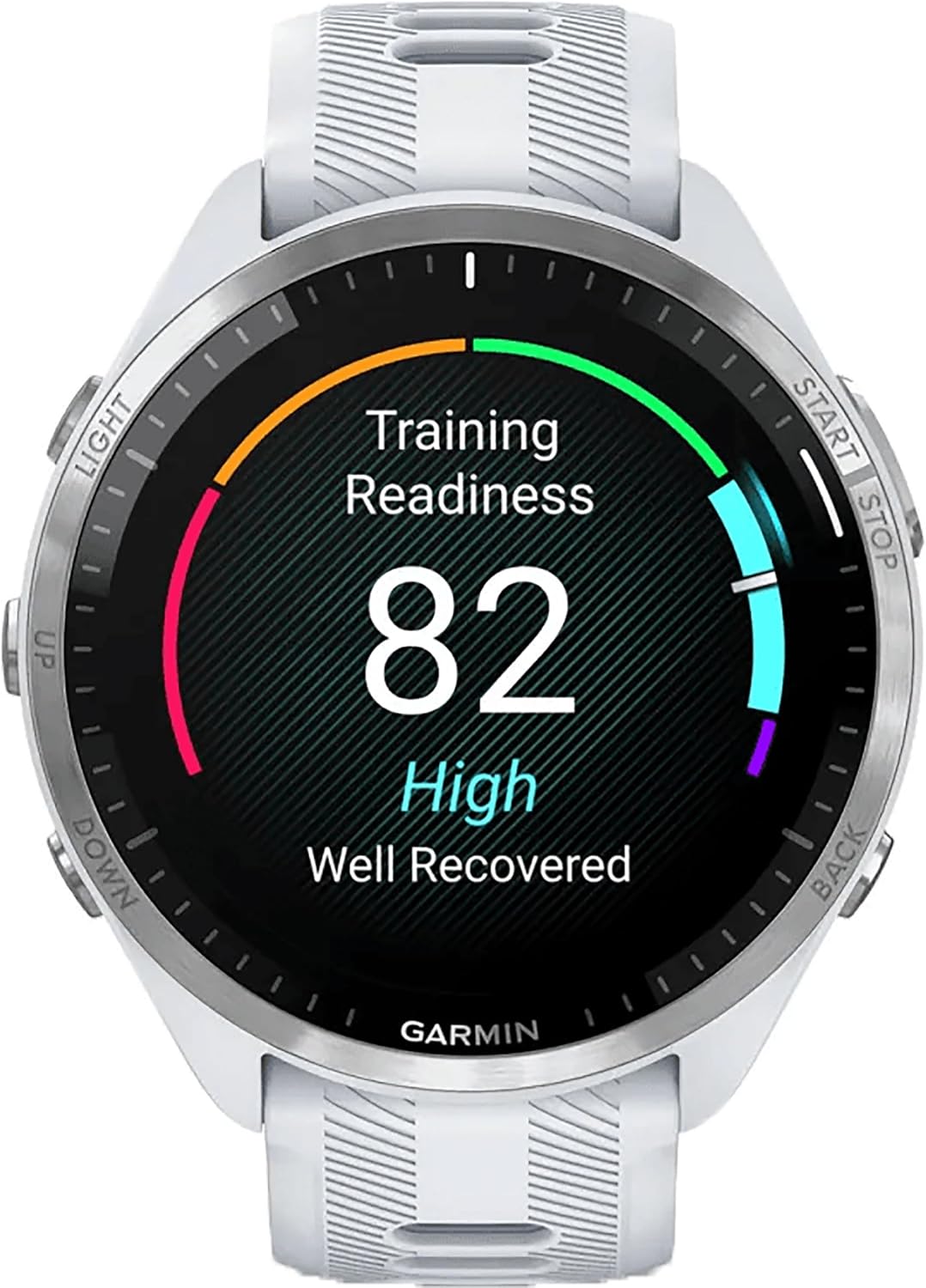 Amazfit Cheetah Pro vs Garmin Forerunner 965See the head-to-head
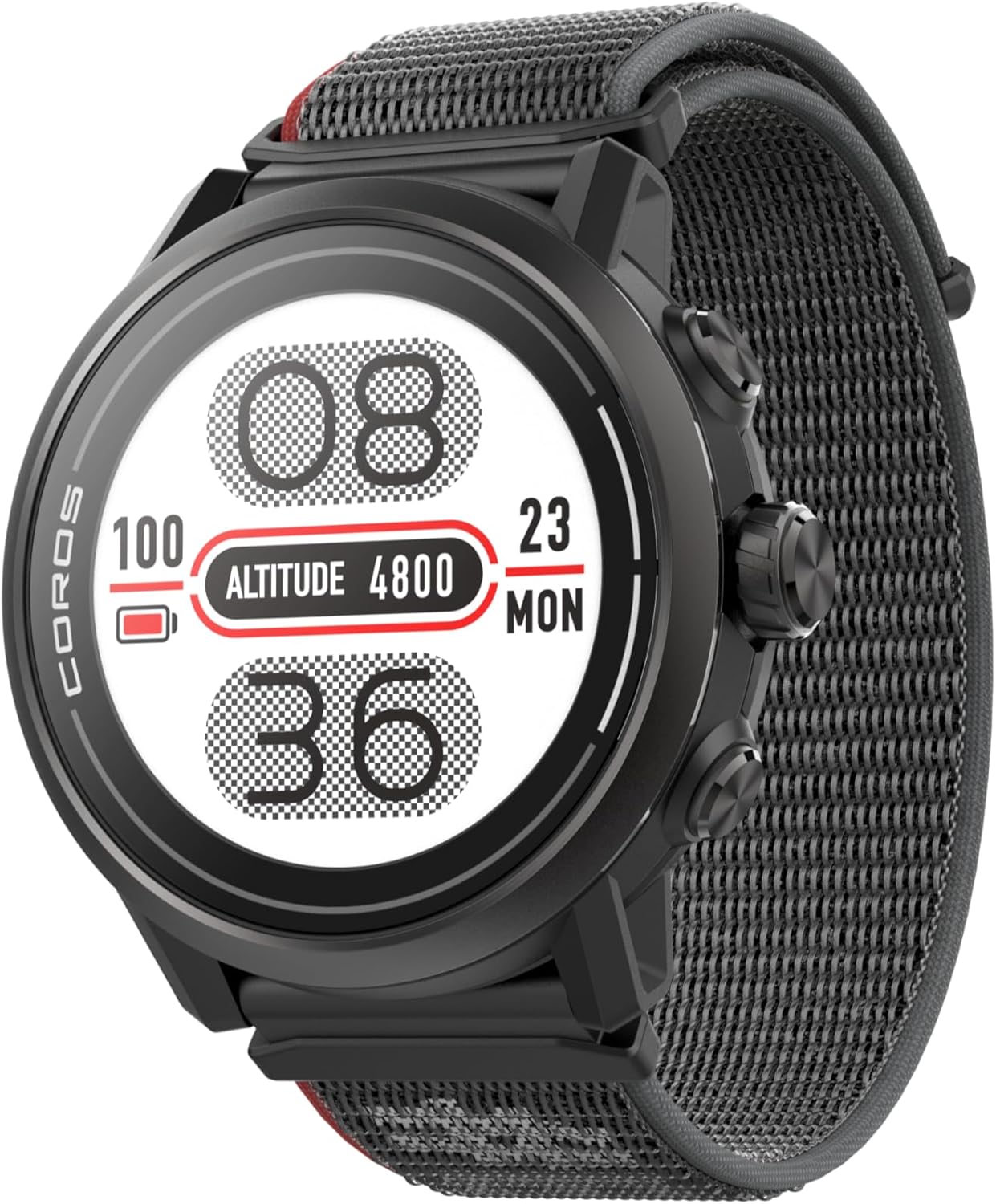 Coros Apex 2 Pro vs Coros Pace 3See the head-to-head
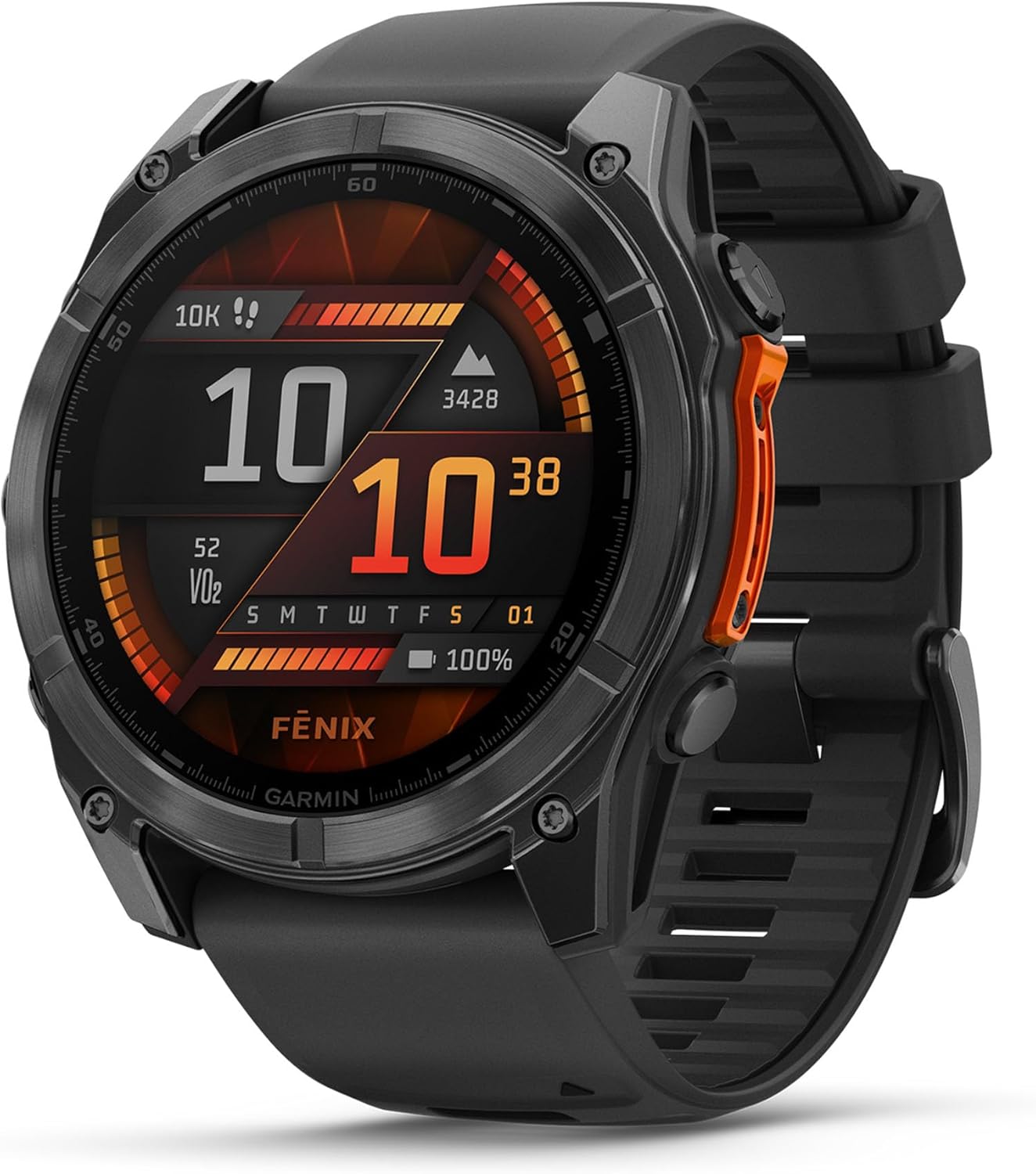 Coros Apex 2 Pro vs Garmin Fénix 8 AMOLED 47 mmSee the head-to-head
- Coros Apex 2 Pro vs Garmin Forerunner 965See the head-to-head
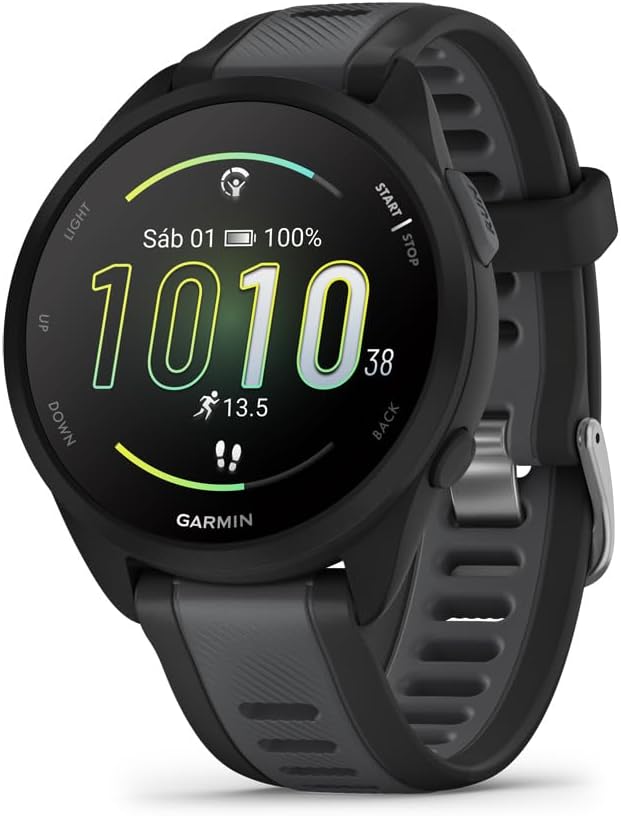 Coros Pace 3 vs Garmin Forerunner 165See the head-to-head
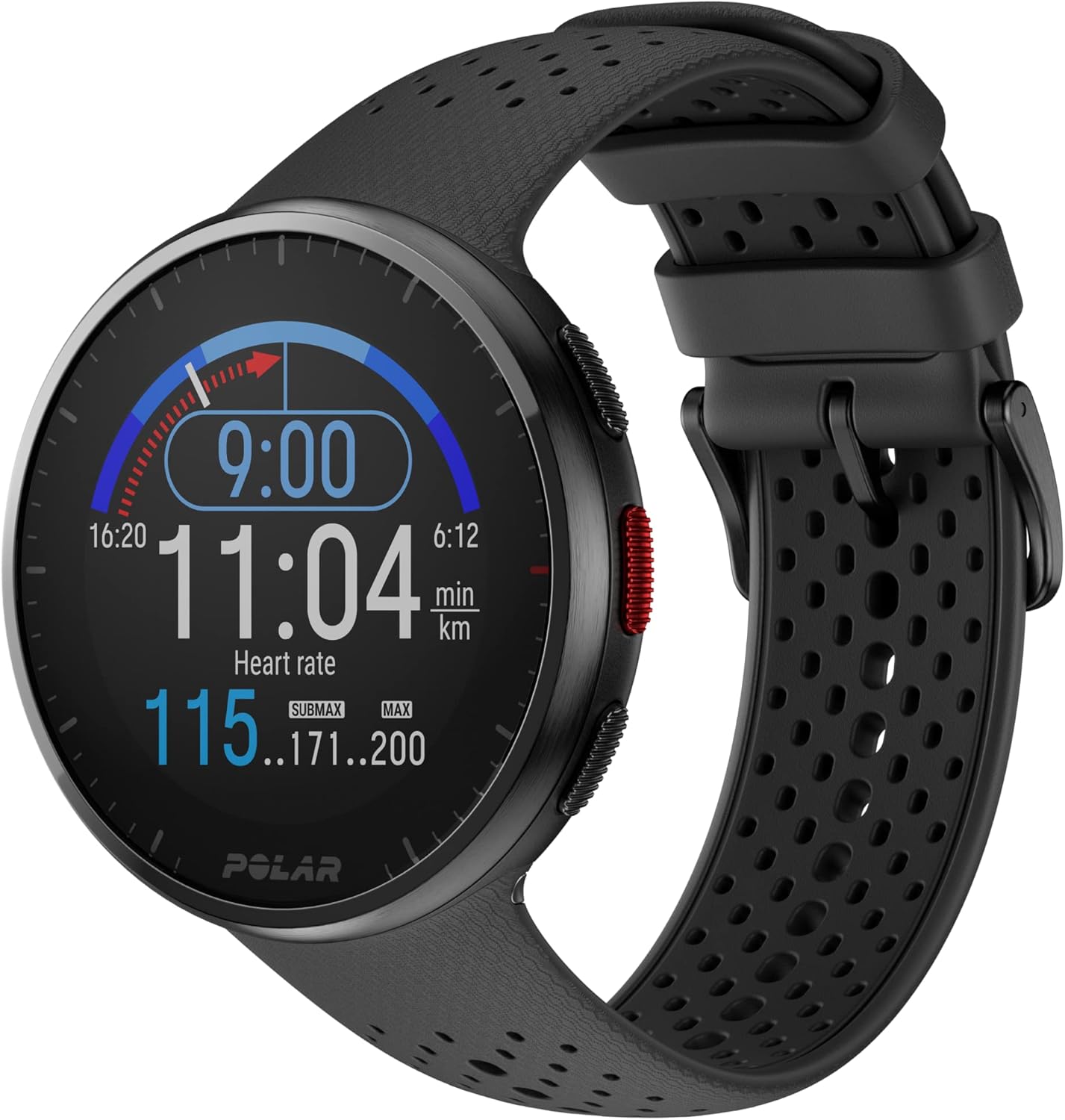 Coros Pace 3 vs Polar Pacer ProSee the head-to-head
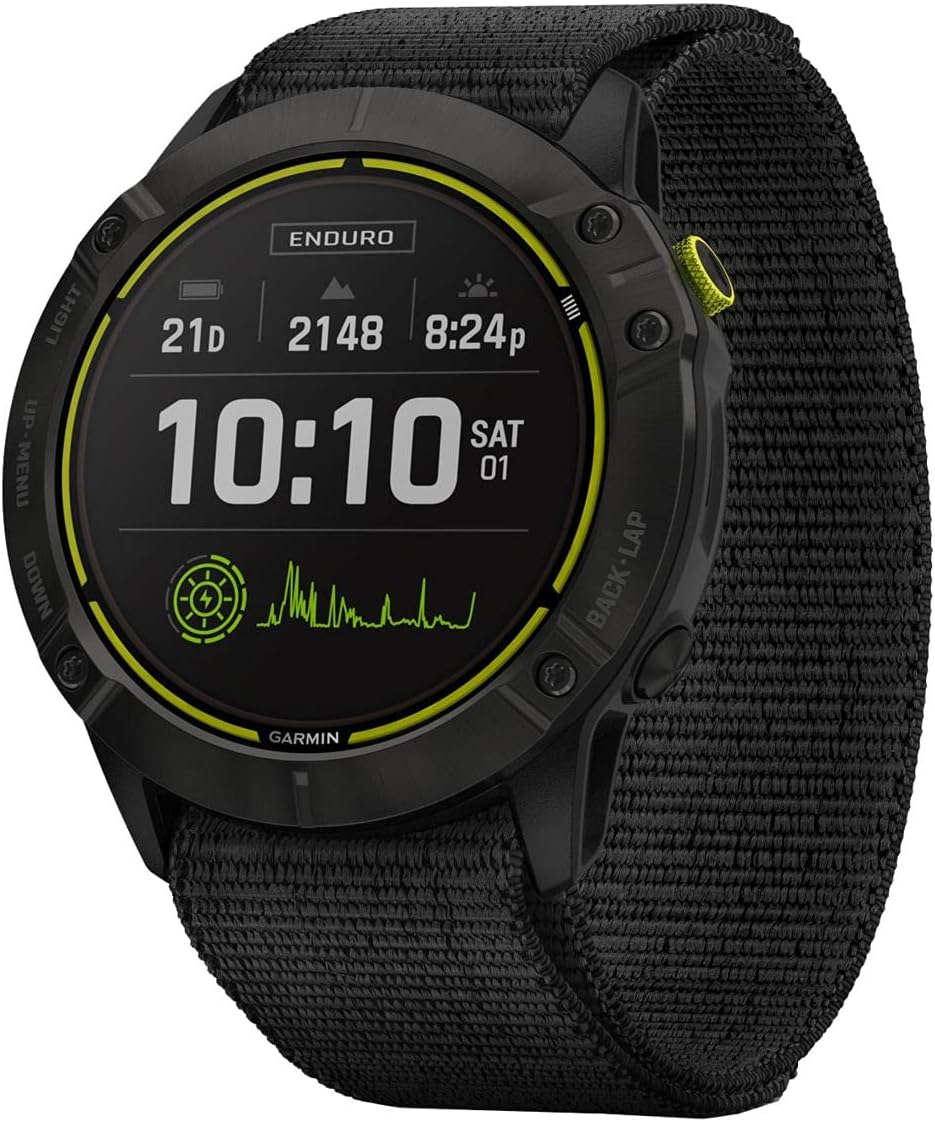 Garmin Enduro vs Garmin Forerunner 265See the head-to-head
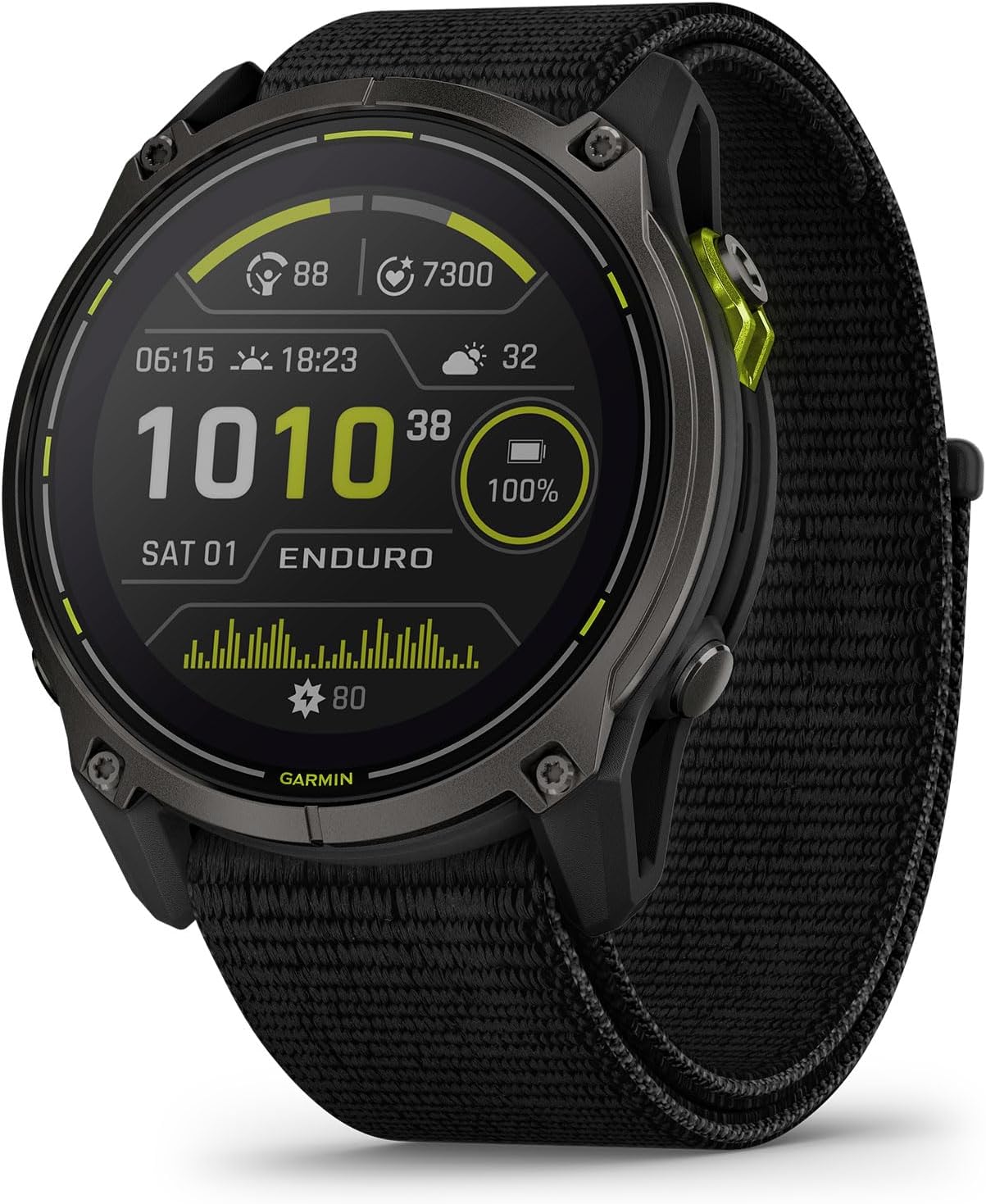 Garmin Enduro 3 vs Garmin Fénix 8 AMOLED 47 mmSee the head-to-head
- Garmin Enduro 3 vs Garmin Forerunner 265See the head-to-head
- Garmin Fénix 8 AMOLED 47 mm vs Garmin Forerunner 965See the head-to-head
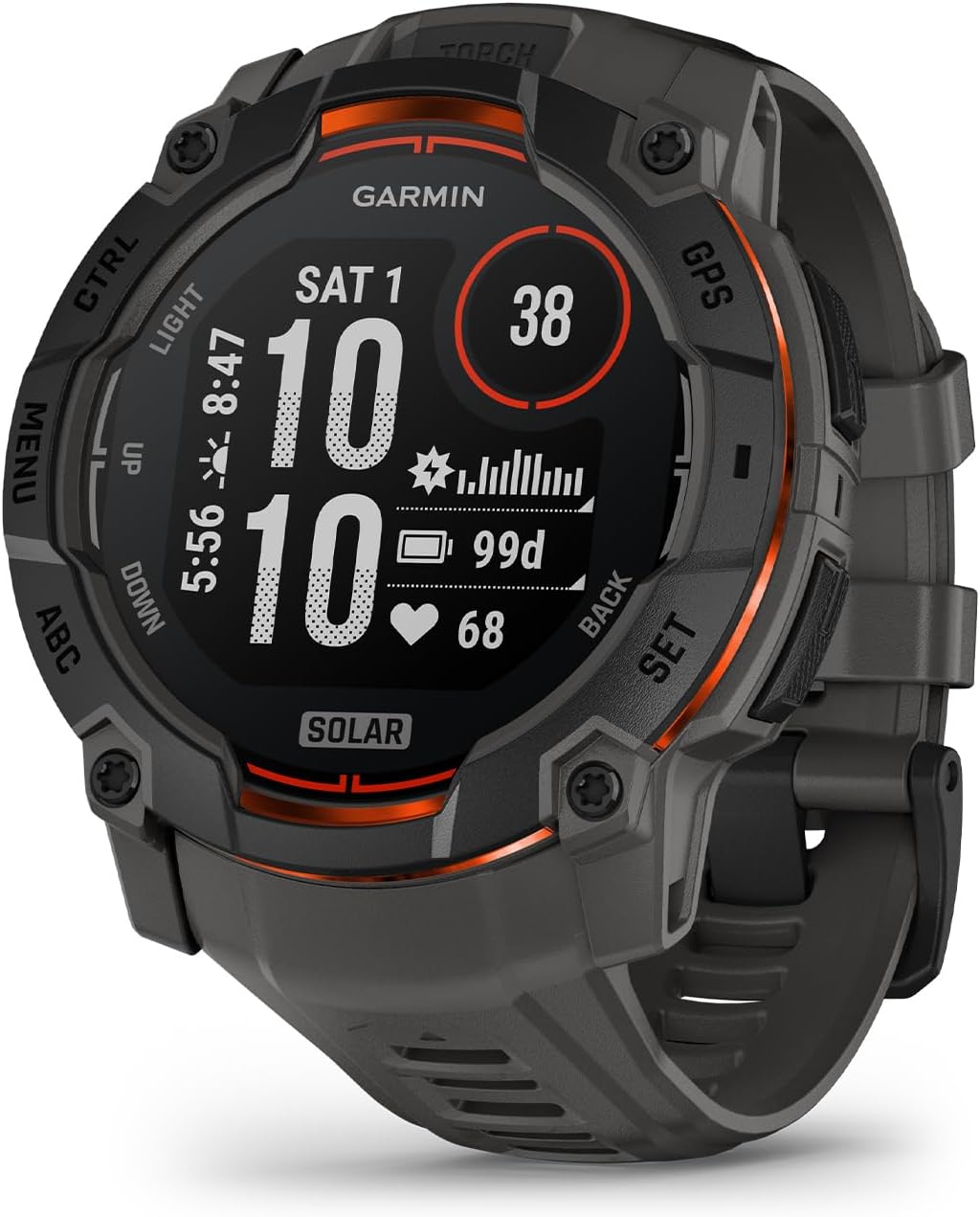 Garmin Fénix 8 AMOLED 47 mm vs Garmin Instinct 3 Solar 50 mmSee the head-to-head
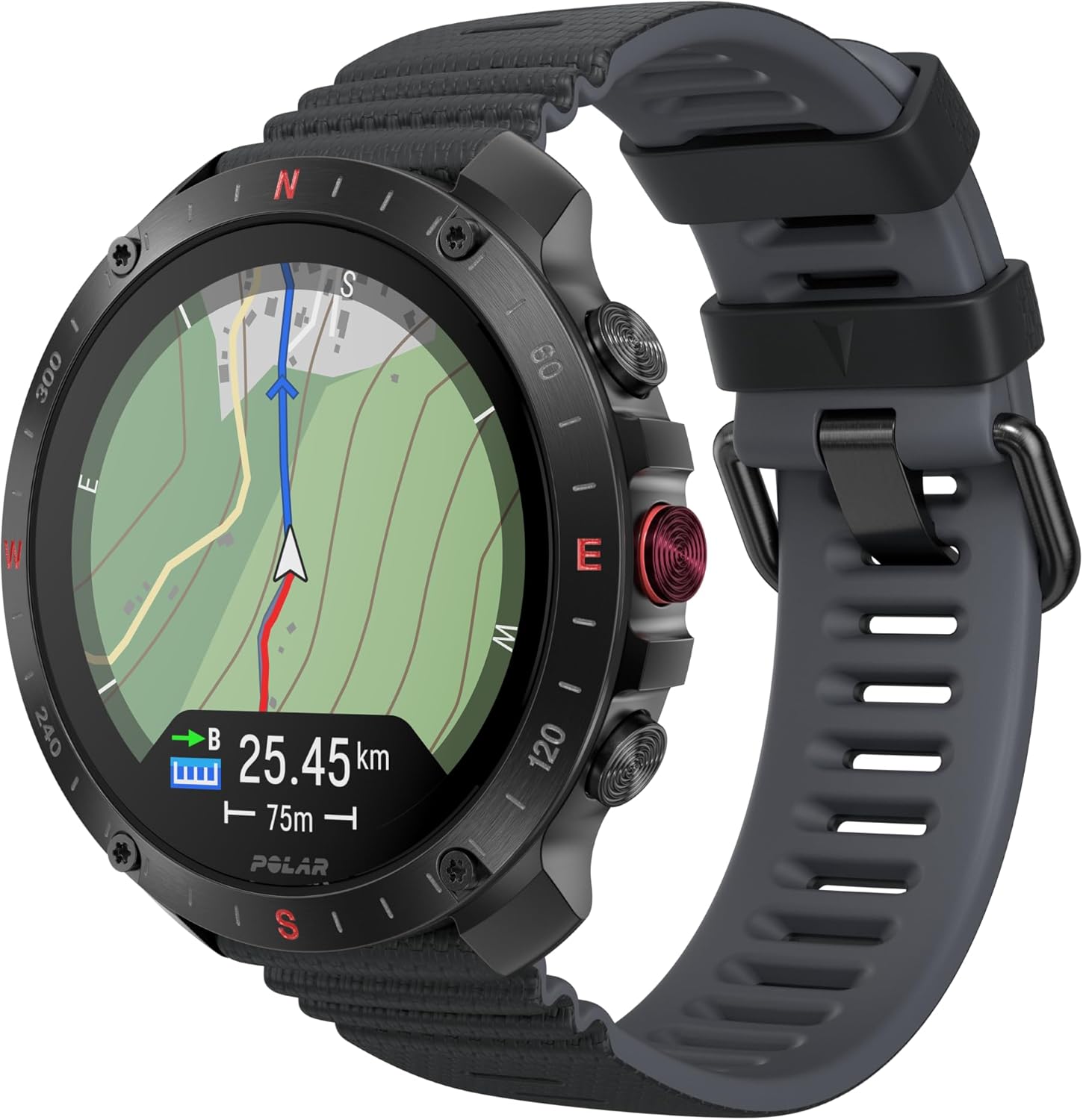 Garmin Fénix 8 AMOLED 47 mm vs Polar Grit X2 ProSee the head-to-head
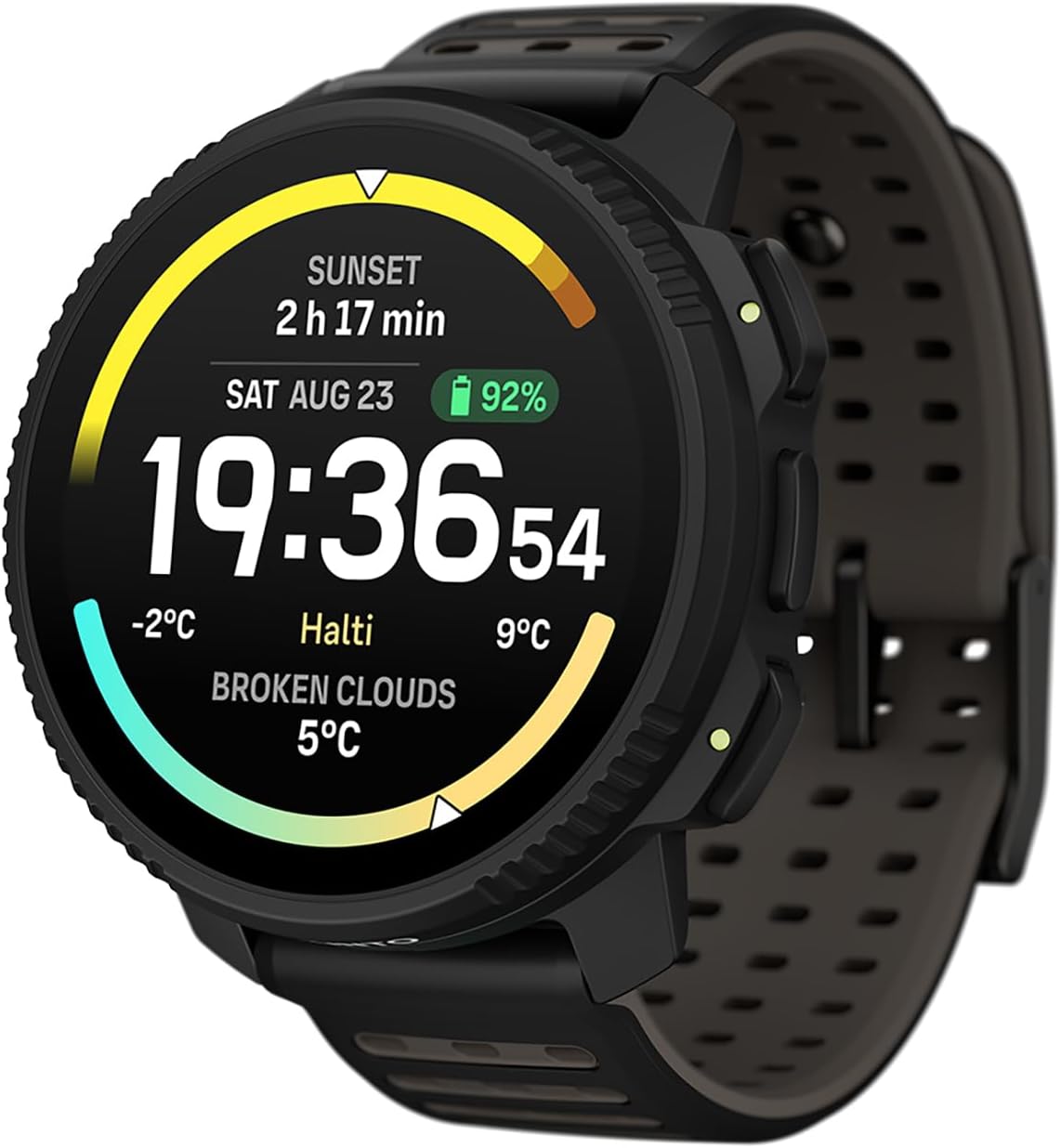 Garmin Fénix 8 AMOLED 47 mm vs Suunto Vertical 2See the head-to-head
- Garmin Forerunner 165 vs Garmin Forerunner 265See the head-to-head
- Garmin Forerunner 165 vs Polar Pacer ProSee the head-to-head
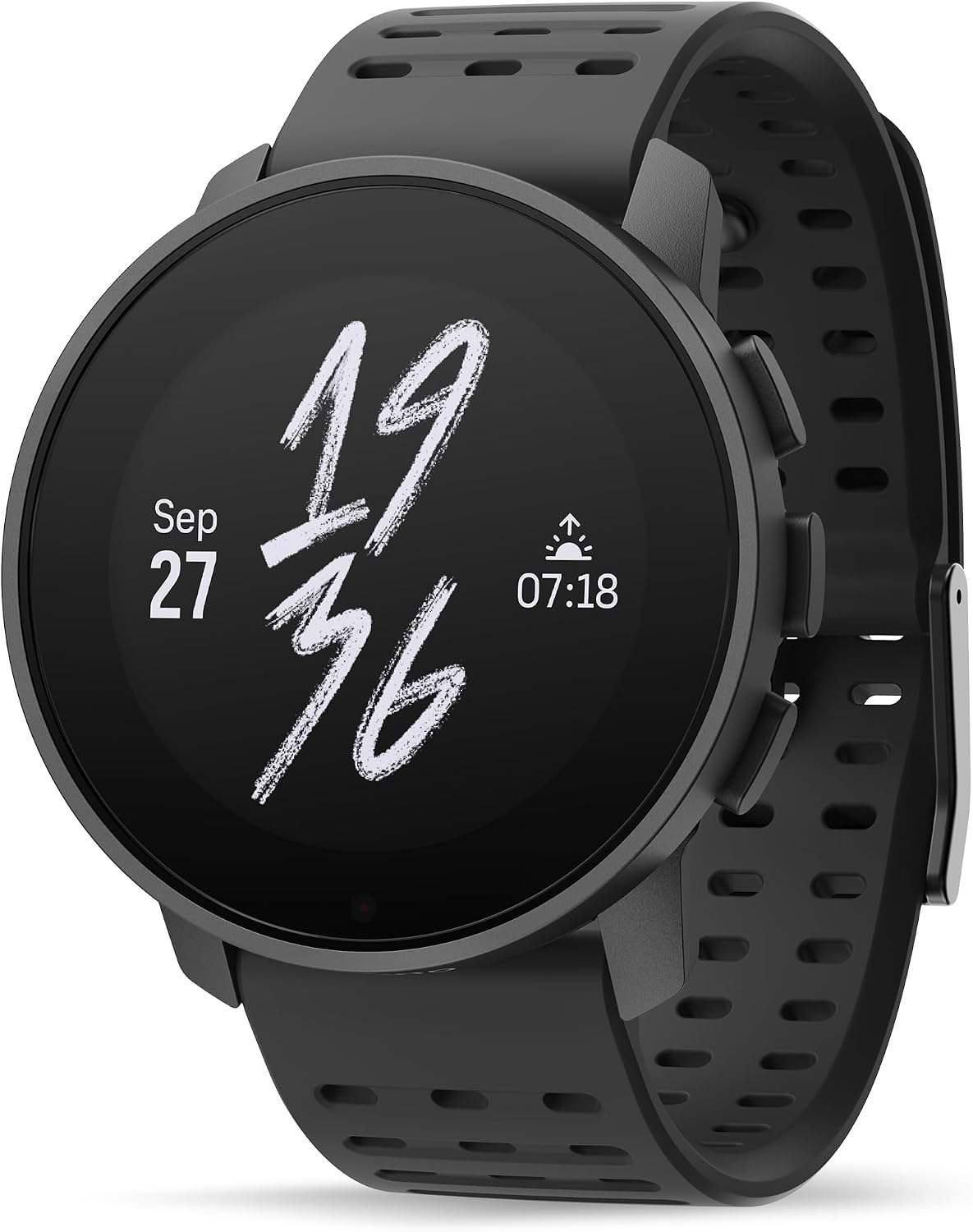 Garmin Forerunner 165 vs Suunto 9 Peak ProSee the head-to-head
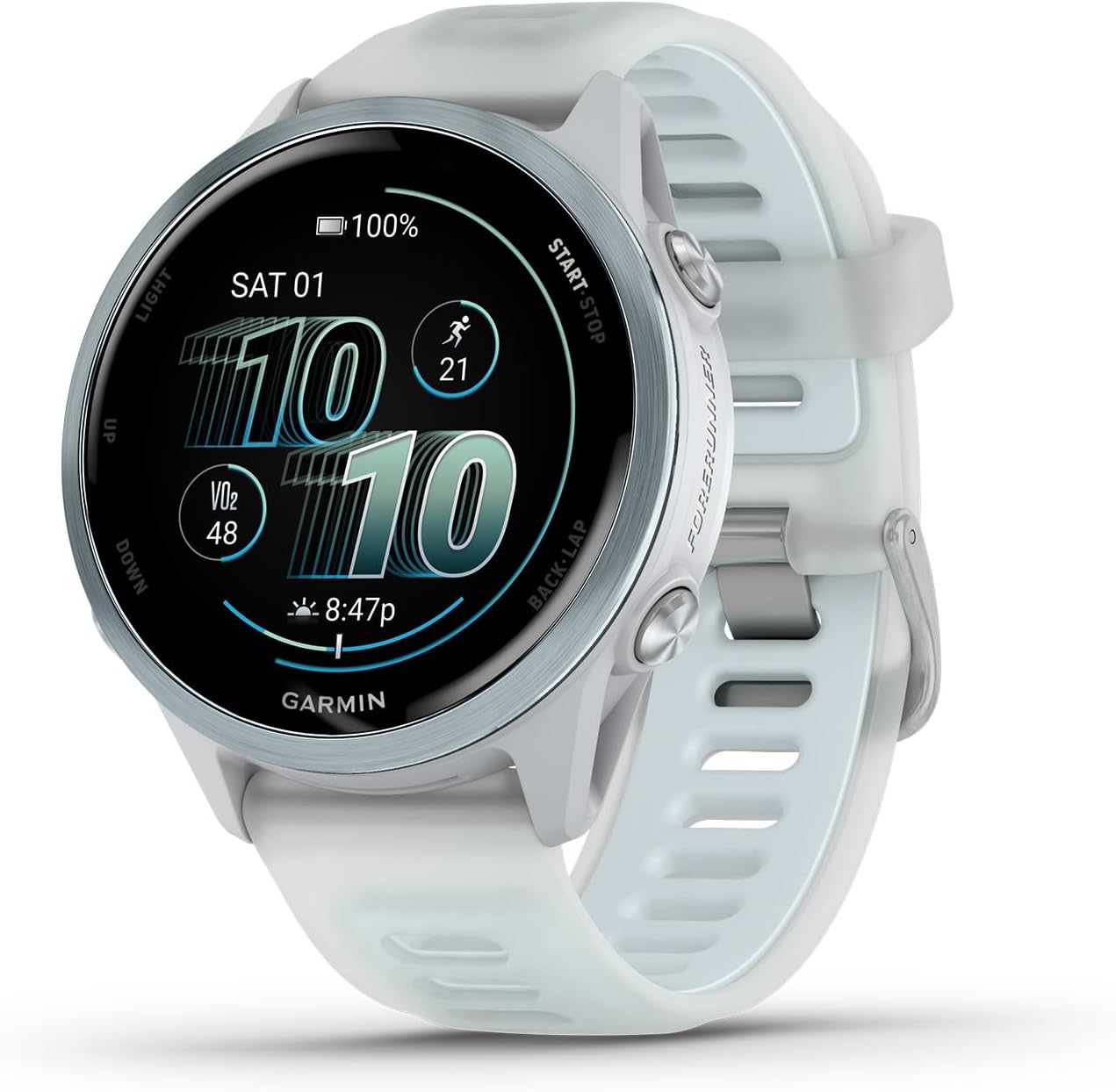 Garmin Forerunner 265 vs Garmin Forerunner 570See the head-to-head
- Garmin Forerunner 265 vs Garmin Forerunner 965See the head-to-head
- Garmin Forerunner 265 vs Polar Pacer ProSee the head-to-head
- Garmin Forerunner 265 vs Suunto 9 Peak ProSee the head-to-head
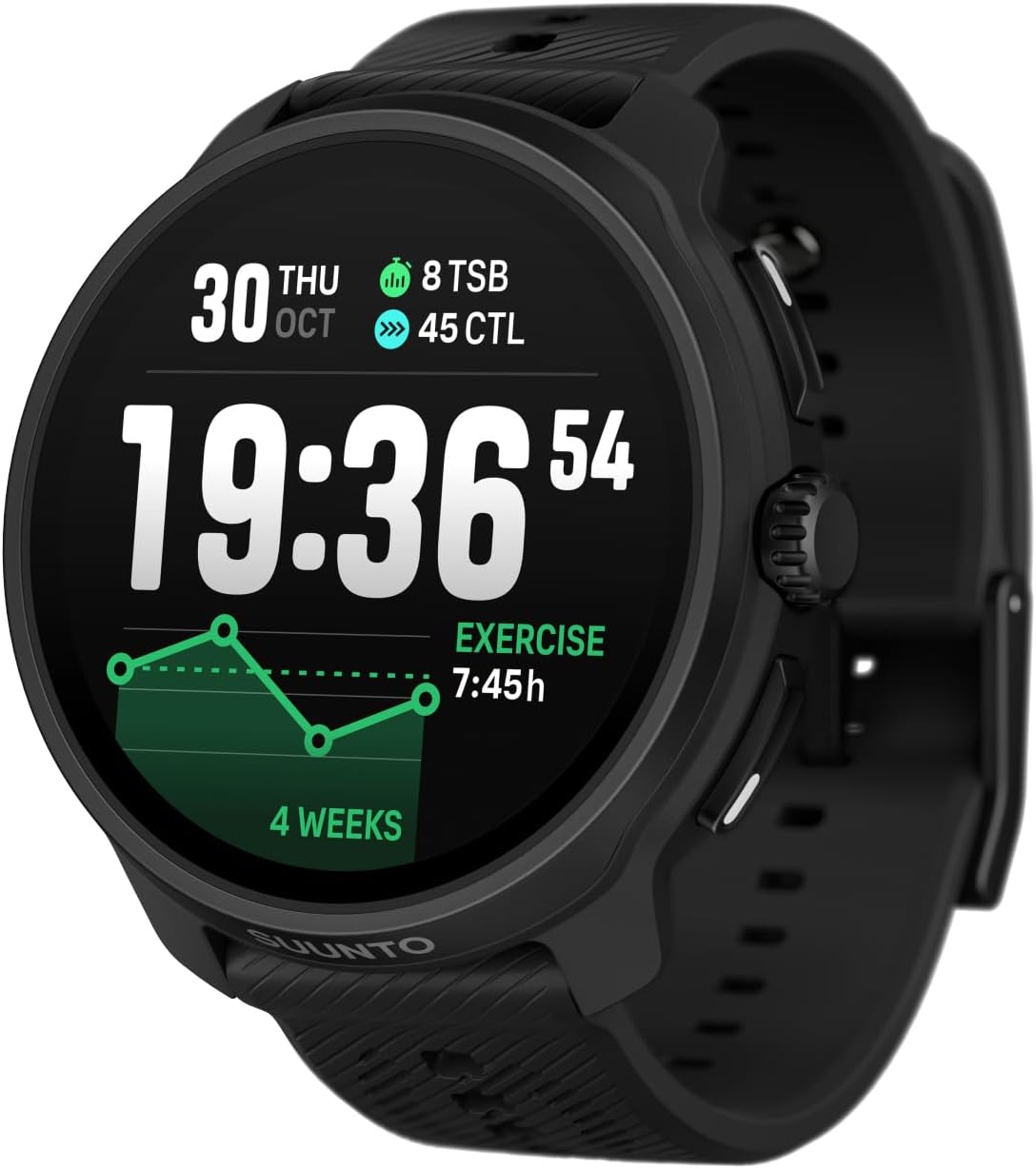 Garmin Forerunner 265 vs Suunto Race 2See the head-to-head
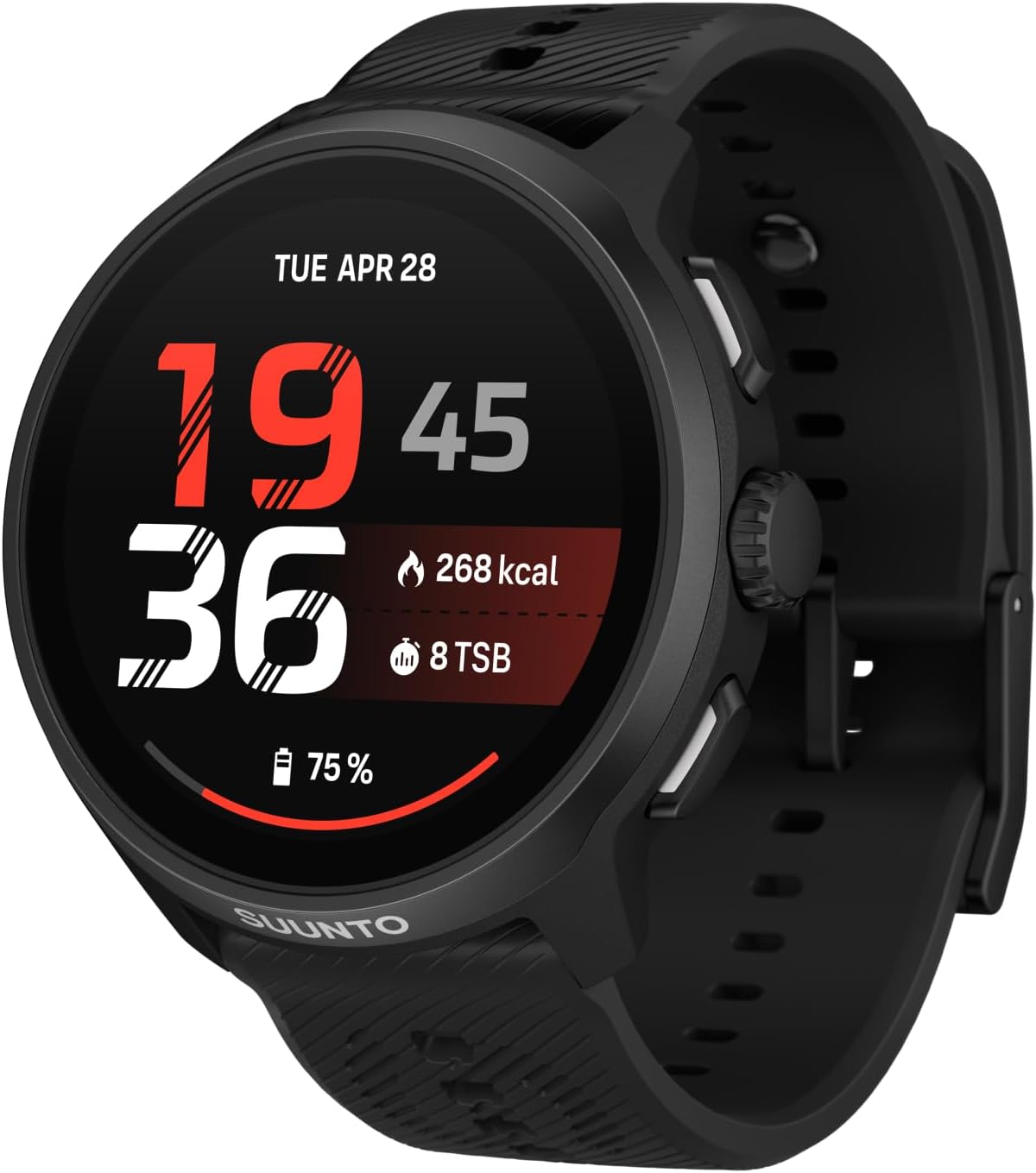 Garmin Forerunner 265 vs Suunto Run 2See the head-to-head
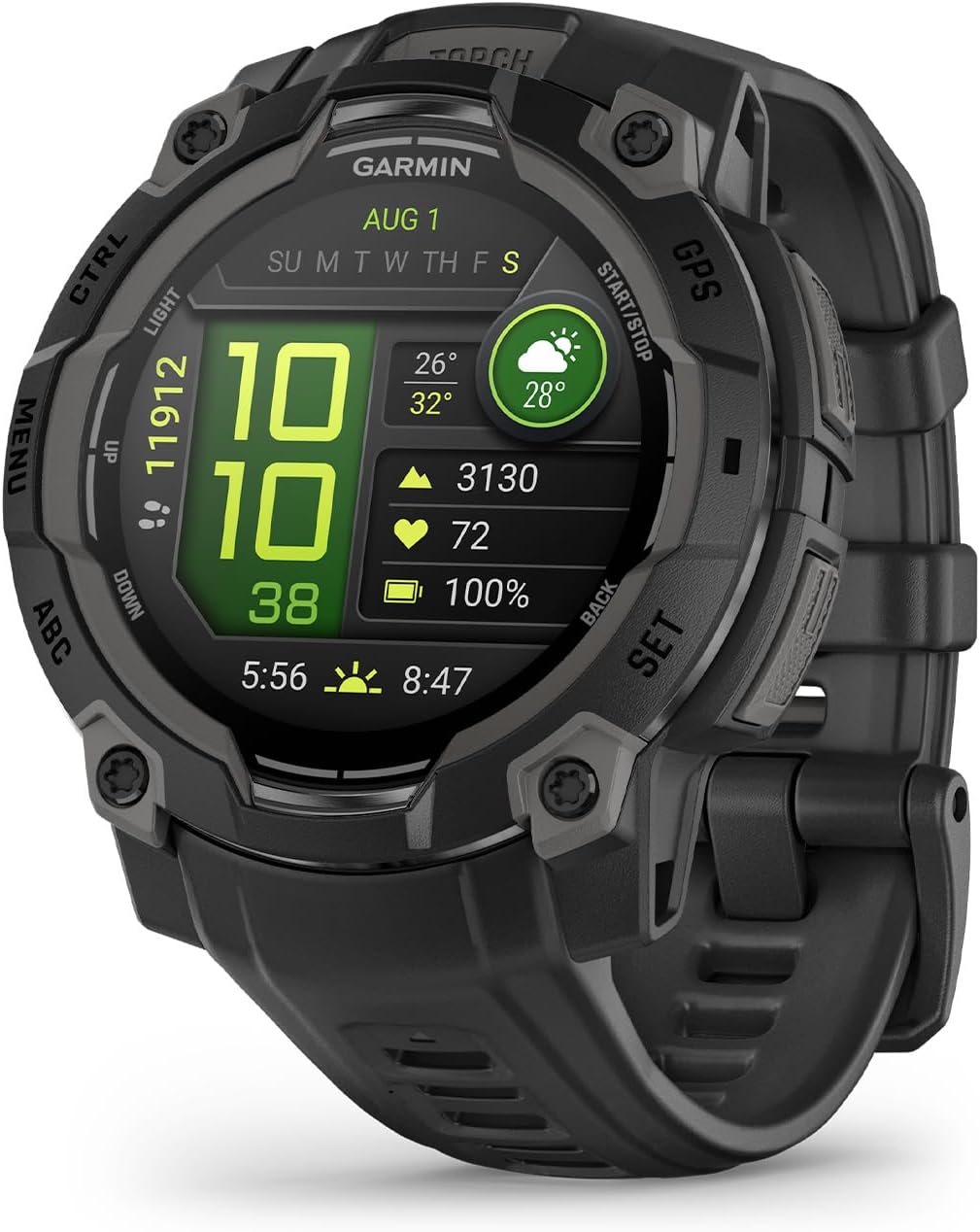 Garmin Instinct 3 AMOLED 45 mm vs Garmin Instinct 3 Solar 50 mmSee the head-to-head
- Garmin Instinct 3 Solar 50 mm vs Polar Grit X2 ProSee the head-to-head
- Polar Grit X2 Pro vs Suunto Race 2See the head-to-head
- Polar Grit X2 Pro vs Suunto Vertical 2See the head-to-head
- Polar Pacer Pro vs Suunto 9 Peak ProSee the head-to-head
- Suunto 9 Peak Pro vs Suunto Vertical 2See the head-to-head
- Suunto Race 2 vs Suunto Vertical 2See the head-to-head
Trail running GPS watch FAQ
AMOLED or MIP for trail running?
For training and racing in the mountains, MIP wins on battery life and reads better in full sun; AMOLED wins on colour, sharpness and clearer maps. In our catalogue, MIP watches average 61 h of GPS and AMOLED ones 37 h. For ultras and long days, go MIP; if you value the screen and run shorter, go AMOLED. See the Instinct 3 AMOLED vs Instinct 3 Solar duel to compare both from the same brand.
What is a MIP display?
MIP (Memory in Pixel) is a low-power display that reflects ambient light instead of emitting it. That is why it looks better the sunnier it is, uses very little power and lets a watch last days or weeks. The trade-off is fewer colours and less contrast than AMOLED, and it needs a backlight in the dark.
What is an AMOLED display and does it drain the battery?
AMOLED is a display where each pixel emits its own light: deep blacks, vivid colours and great sharpness. It uses more battery than MIP, especially with the always-on mode and high brightness. You barely notice it on short runs and a lot on ultras.
What is multi-band GPS and is it worth it in the mountains?
Multi-band (dual-frequency) GPS receives signal on two bands at once and corrects reflections better in canyons, dense forest and narrow valleys. It improves track and distance accuracy but uses more battery, which is why multi-band endurance is always lower. It is worth it if you run in closed terrain. Compare two multi-band watches and check their battery life.
How much battery do I need for an ultra?
Estimate your finishing time and add a 30% margin. For a 100 km ultra of 20 h or more, you need 40–60 h of GPS in standard mode; multi-band drops a lot. Use the comparison and check the GPS and multi-band battery rows.
What are maps on a watch for?
Maps on the watch let you follow a race GPX track, see trails and contour lines and find your way back if you get lost, without relying on your phone. In the mountains, in fog or at night, it is the difference between running calm and running lost. Not every watch has them: check the maps row in the comparison.
How much should a trail running watch weigh?
For comfortable running, under 60 g you barely notice it; above 80 g you start to feel it on long races. The lightest watches usually give up materials (polymer rather than titanium or sapphire) and toughness. It is a trade-off between weight, battery and impact resistance.
What is solar charging on a watch for?
Solar charging adds battery life by topping up from sunlight while you wear it. It adds the most on sunny days outdoors, and almost nothing under a sleeve or indoors. It helps on ultras and expeditions, but it does not replace a big battery: treat it as a bonus.