Best ultra trail GPS watches 2026: a battery-life comparison
Our picks by use case
Affiliate links: if you buy through them we earn a commission at no extra cost to you. It does not affect the ranking.
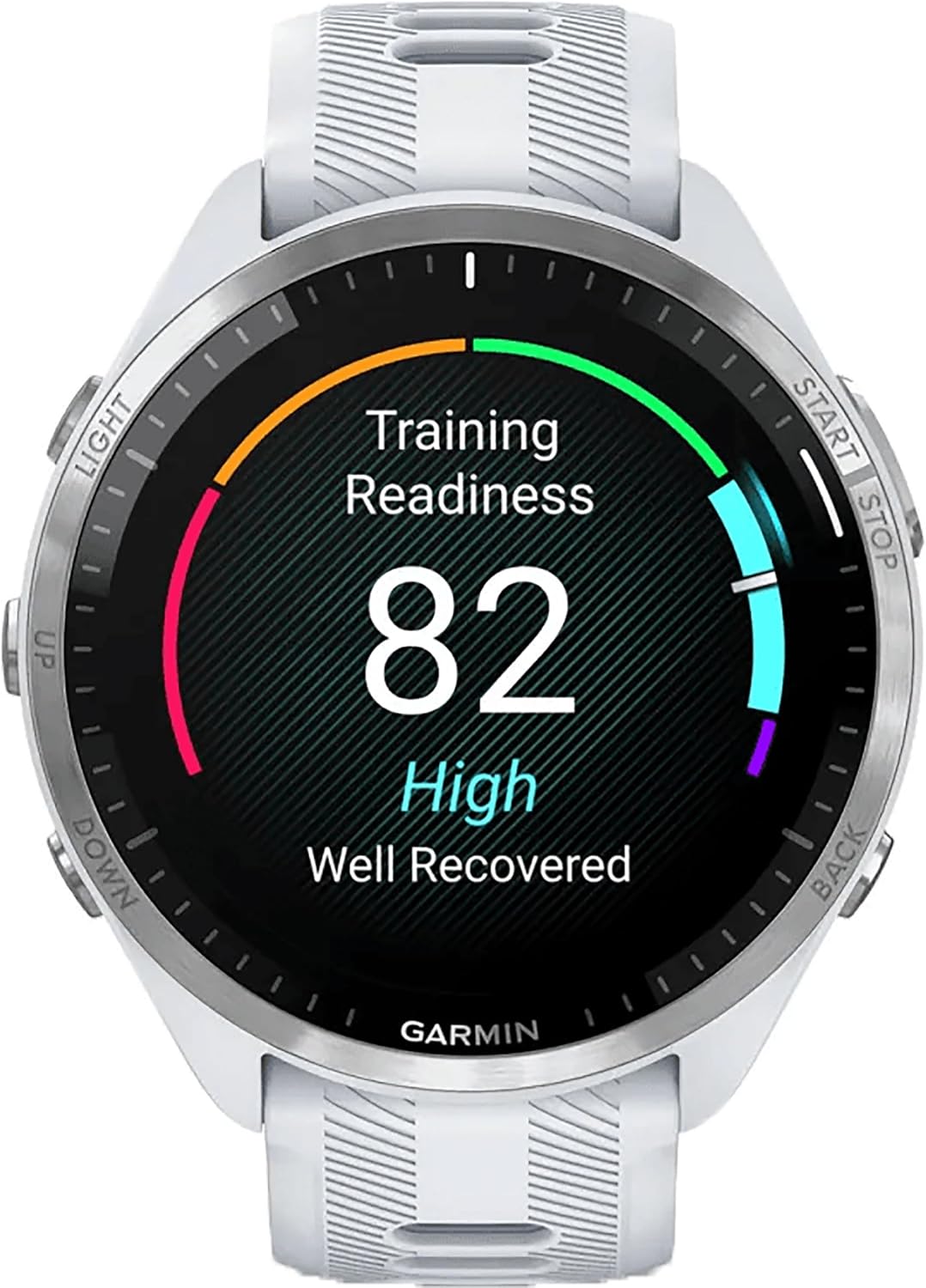 Our top pick#1 · Best OverallGarmin Garmin Forerunner 965View on Amazon (opens in a new tab)
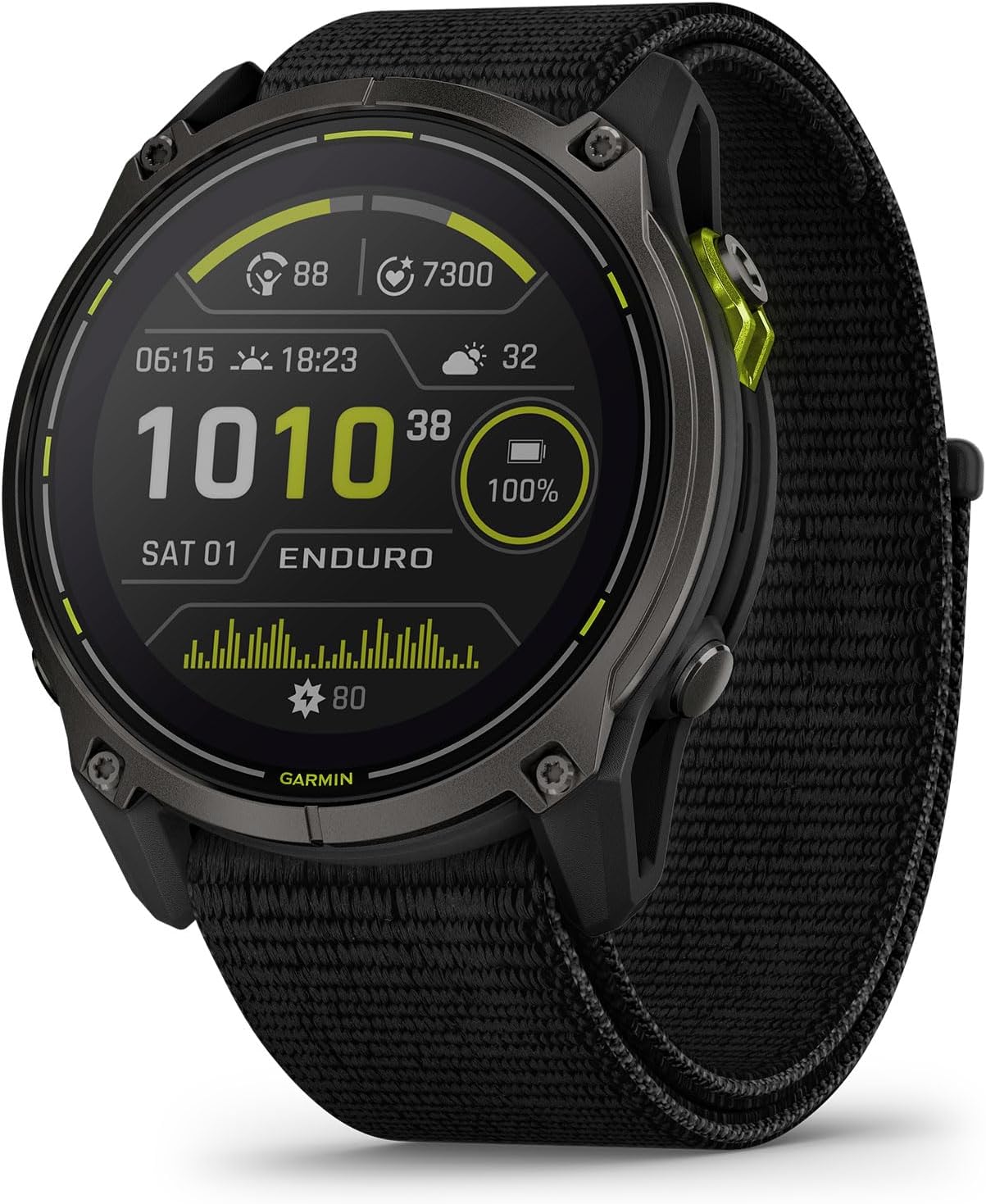 #2 · Best for 100-milers & multi-dayGarmin Garmin Enduro 3View on Amazon (opens in a new tab)
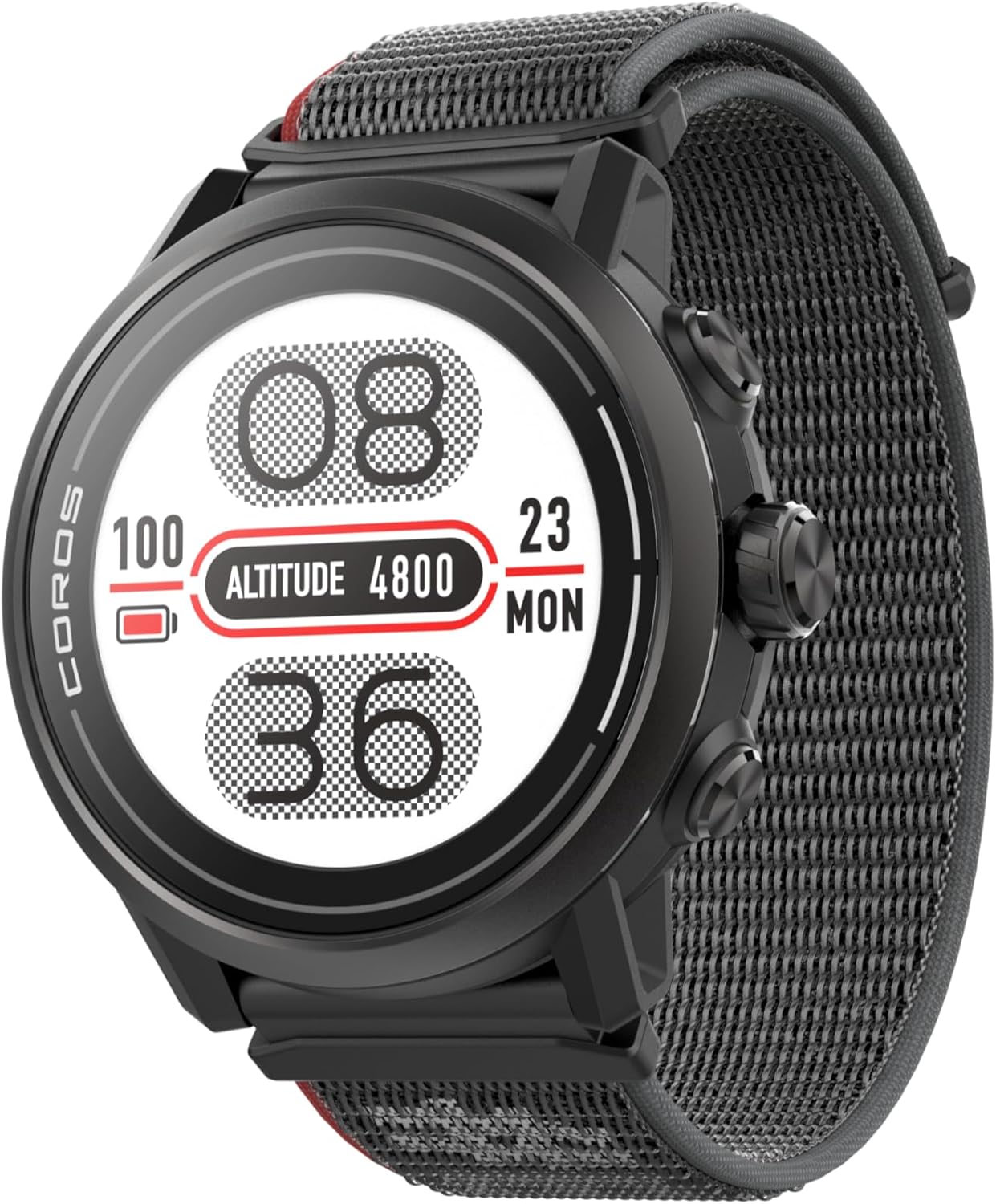 #3 · Best ValueCoros Coros Apex 2 ProView on Amazon (opens in a new tab)
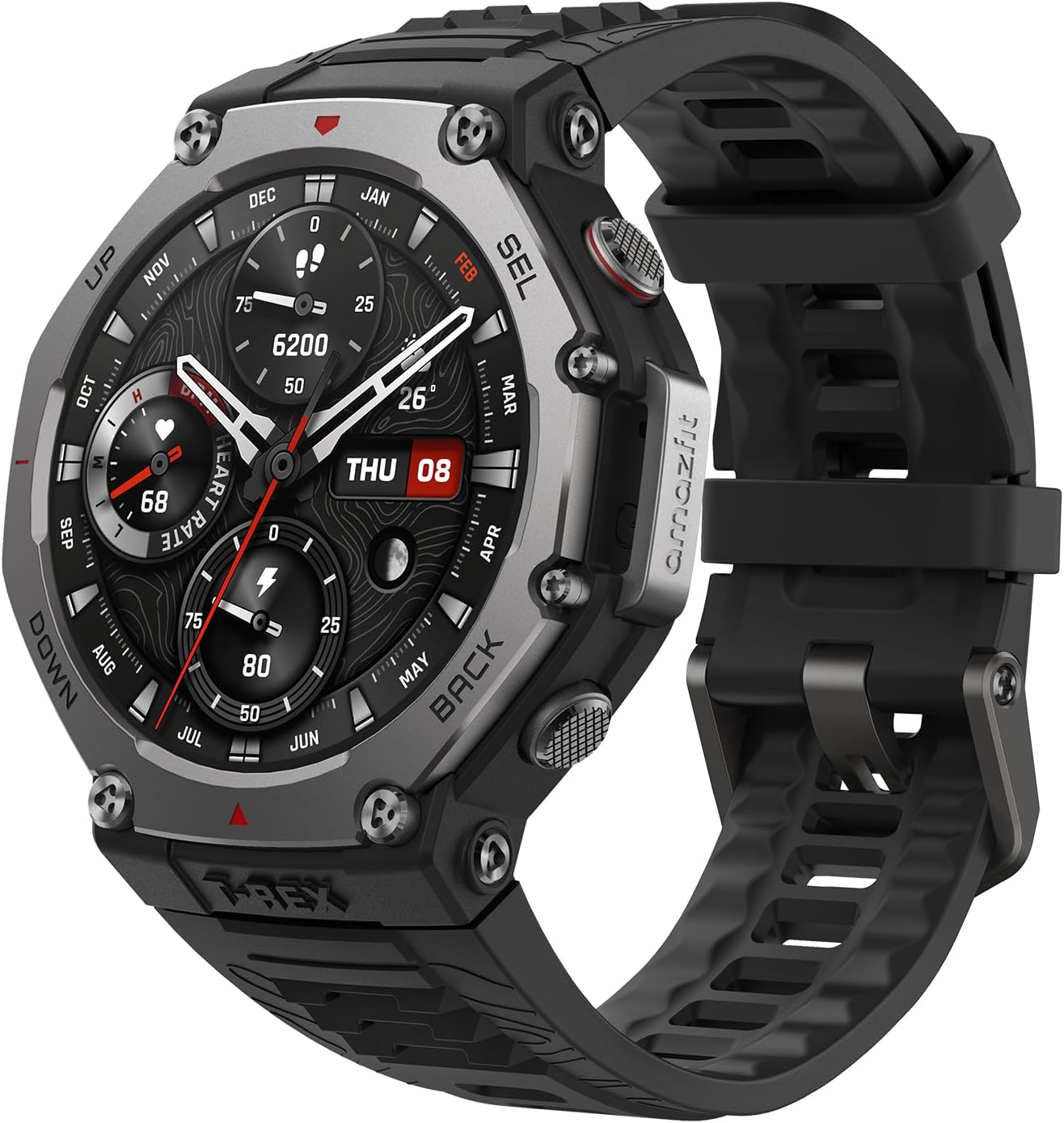 #4 · Best BudgetAmazfit Amazfit T-Rex 3View on Amazon (opens in a new tab)
How we choose
We compare every model on verified technical specs (weight, materials, price), user reviews and our own experience running and testing gear in races from 21K to 100K+. We update this guide when prices change or new models launch. Some links are affiliate links: if you buy through them, TrailRunTemple earns a commission at no extra cost to you and with no influence on the selection.
All products in this guide
Garmin
Garmin Forerunner 965
Premium running watch with a 1.4" AMOLED display, onboard topo maps, multi-band GPS and music. Up to 31 h in GPS mode (19 h multi-band) and 23 days in smartwatch mode, at just 53 g. Garmin's top running watch without the bulk of a Fenix: ideal for marathons and single-day ultras with accurate navigation.
Garmin
Garmin Enduro 3
The battery king for ultra-distance: 120 h in GPS mode (60 h multi-band) and 36 days in smartwatch mode, extendable with solar charging. MIP display, topo maps, LED flashlight and just 63 g. Built for 100-milers, multi-day crossings and backyard ultras without worrying about battery.
Coros
Coros Apex 2 Pro
Mountain watch with outstanding battery life: 66 h in full GPS, 26 h in dual-frequency and up to 21 days in daily use, at just 53 g. Free offline maps, multi-band GPS, MP3 music and touchscreen. The light, long-lasting alternative to Garmin for ultras and crossings.
Amazfit
Amazfit T-Rex 3
Ultra-rugged outdoor watch with dual-band GPS, offline maps and a 2,000-nit AMOLED display, at a mid-range price. 42 h in maximum-accuracy mode and up to 27 days in daily use. Military standard, 100 m water resistance and onboard music. Garmin Instinct-style toughness for far less.
Buying a watch this Black Friday? Pick your model now and keep it in your cart: see the best trail running watches for Black Friday.
Quick answer: the best ultra trail watch for most runners is the Garmin Forerunner 965(opens in a new tab). For 100-mile races and multi-day events, the Garmin Enduro 3(opens in a new tab); for the best value, the Coros Apex 2 Pro(opens in a new tab); and on a budget, the Amazfit T-Rex 3(opens in a new tab). Below: the best ultra running watches ranked by battery life, and how to pick yours.
In an ultra trail your watch isn’t an accessory: it’s your navigator, your cut-off timer and, above all, your guarantee that you’ll still have data at the finish line. And one factor decides everything: battery life versus your time on course. The most accurate GPS in the world is useless if it dies at kilometre 80. This comparison ranks the best ultra trail watches of 2026 by their real battery life —measured against the manufacturer’s figures, not the marketing— and explains how to pick yours based on the distance you’ll race.
Battery & specs comparison
Tap a column to sortGPS battery = each manufacturer's standard GPS mode; multi-band = dual-frequency (maximum accuracy). On Suunto, Polar Grit and Amazfit T-Rex the GPS figure already corresponds to dual-band mode. Figures verified against the manufacturer.
Head-to-head comparisons
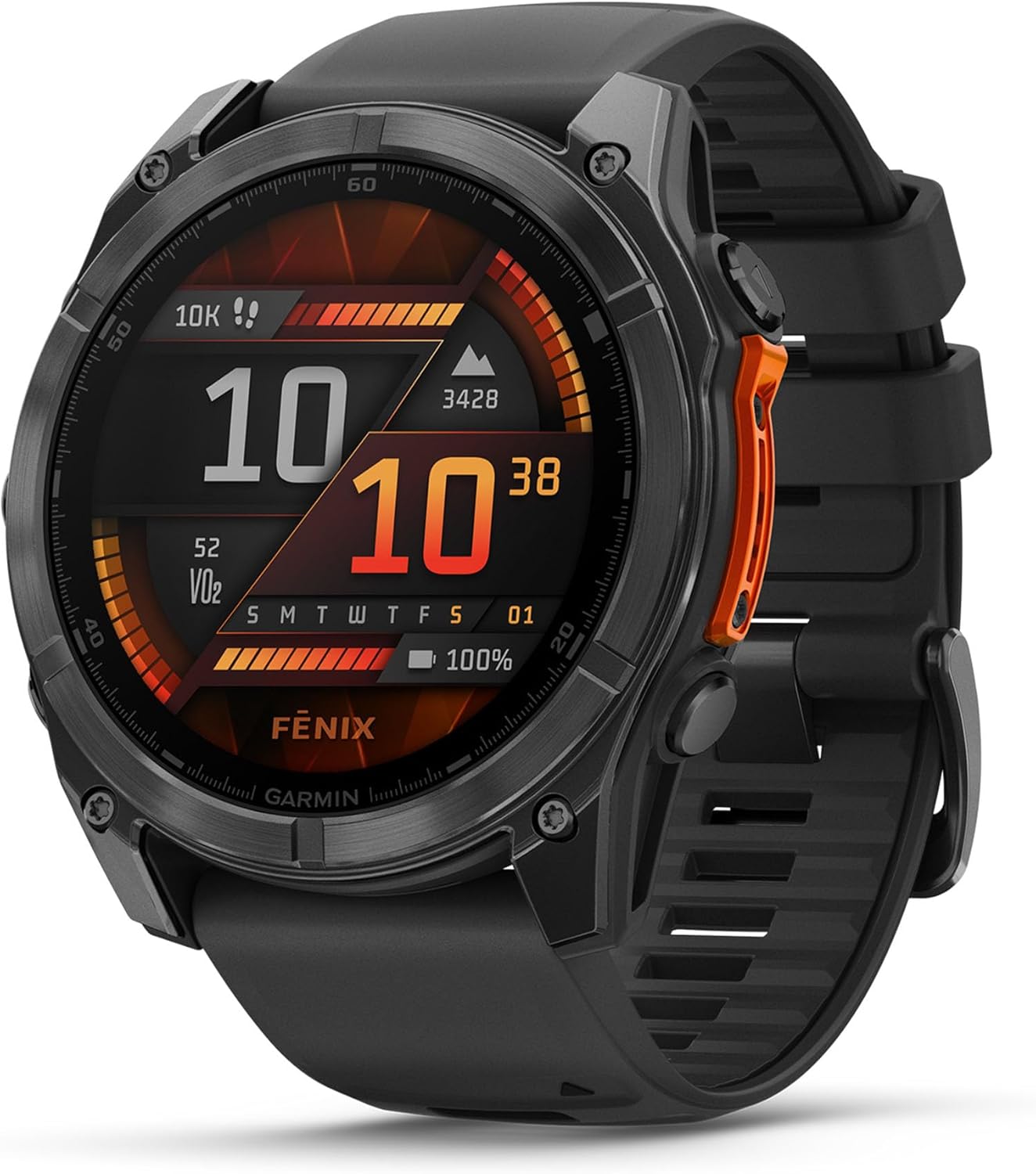 Garmin Enduro 3 vs Garmin Fénix 8 AMOLED 47 mmSee the head-to-head
- Coros Apex 2 Pro vs Garmin Fénix 8 AMOLED 47 mmSee the head-to-head
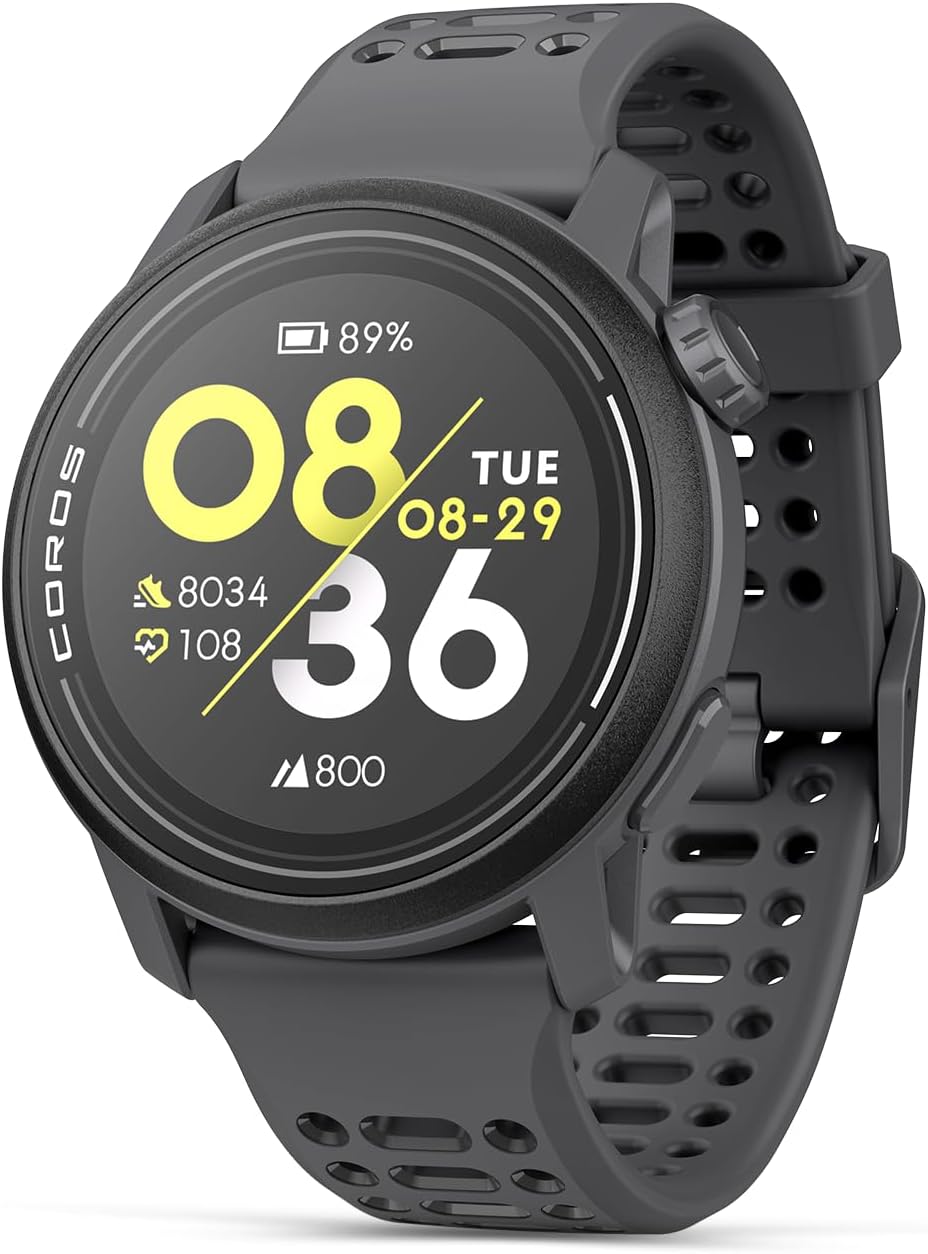 Coros Apex 2 Pro vs Coros Pace 3See the head-to-head
- Coros Apex 2 Pro vs Garmin Forerunner 965See the head-to-head
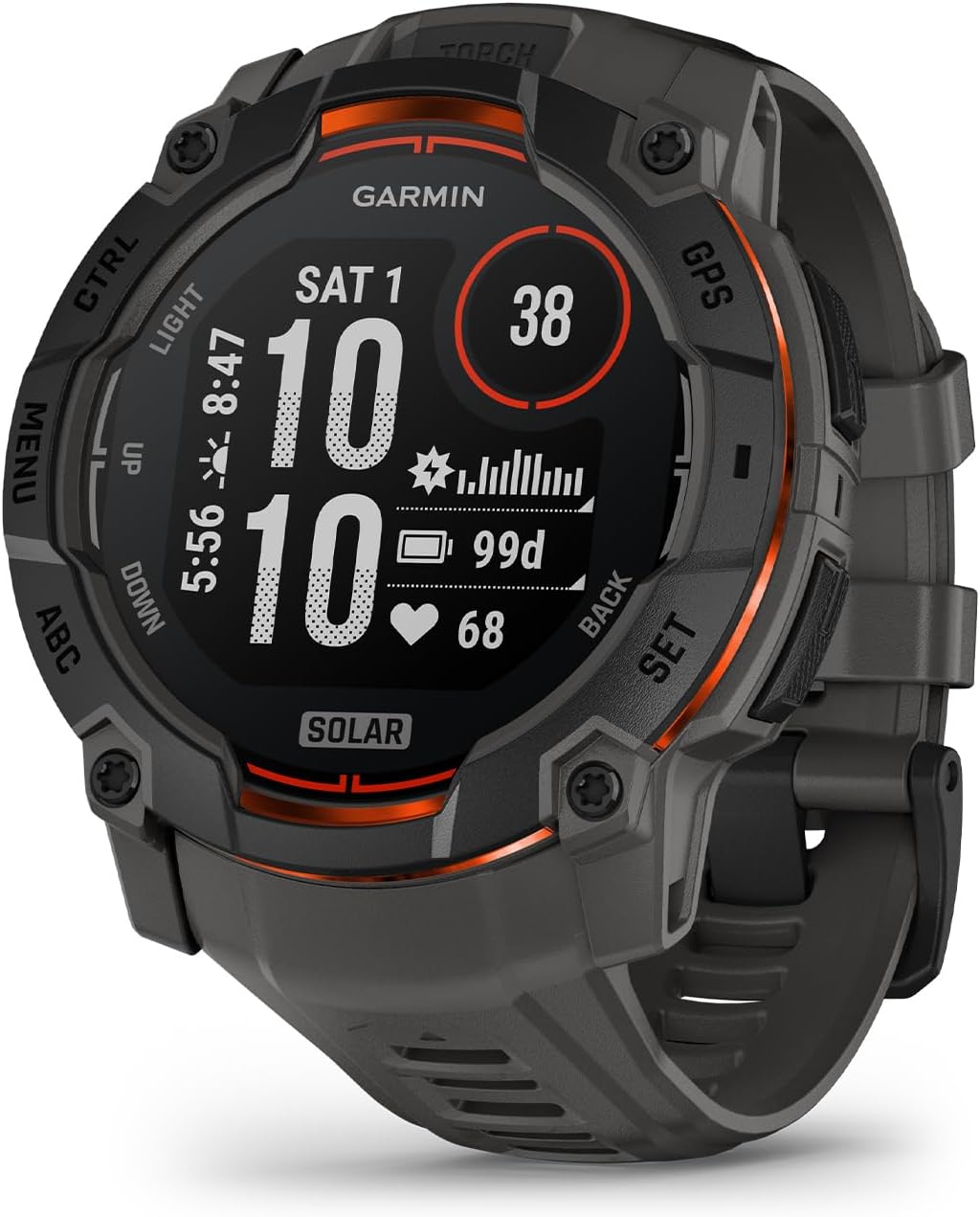 Garmin Instinct 3 Solar 50 mm vs Garmin Fénix 8 AMOLED 47 mmSee the head-to-head
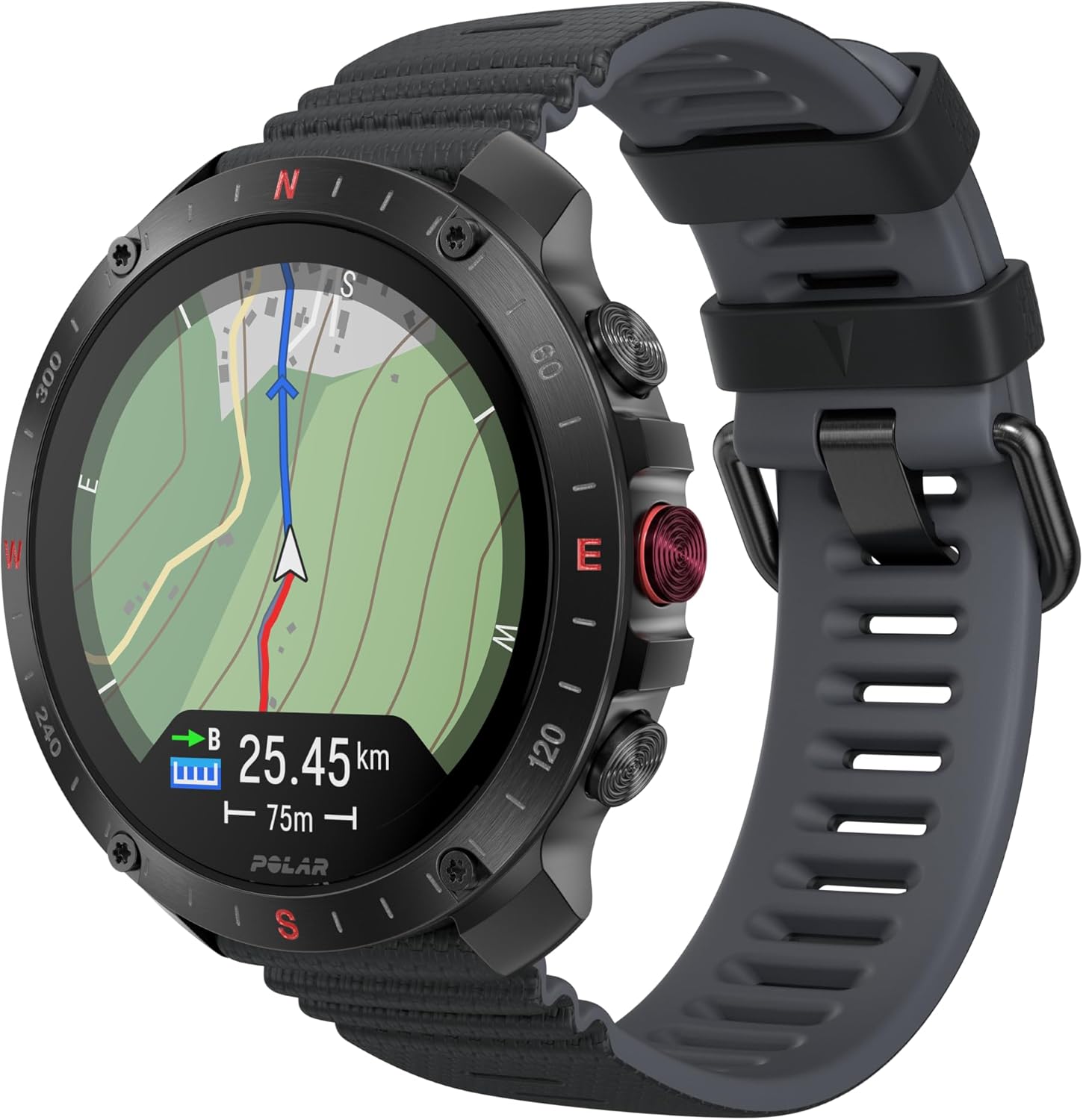 Garmin Instinct 3 Solar 50 mm vs Polar Grit X2 ProSee the head-to-head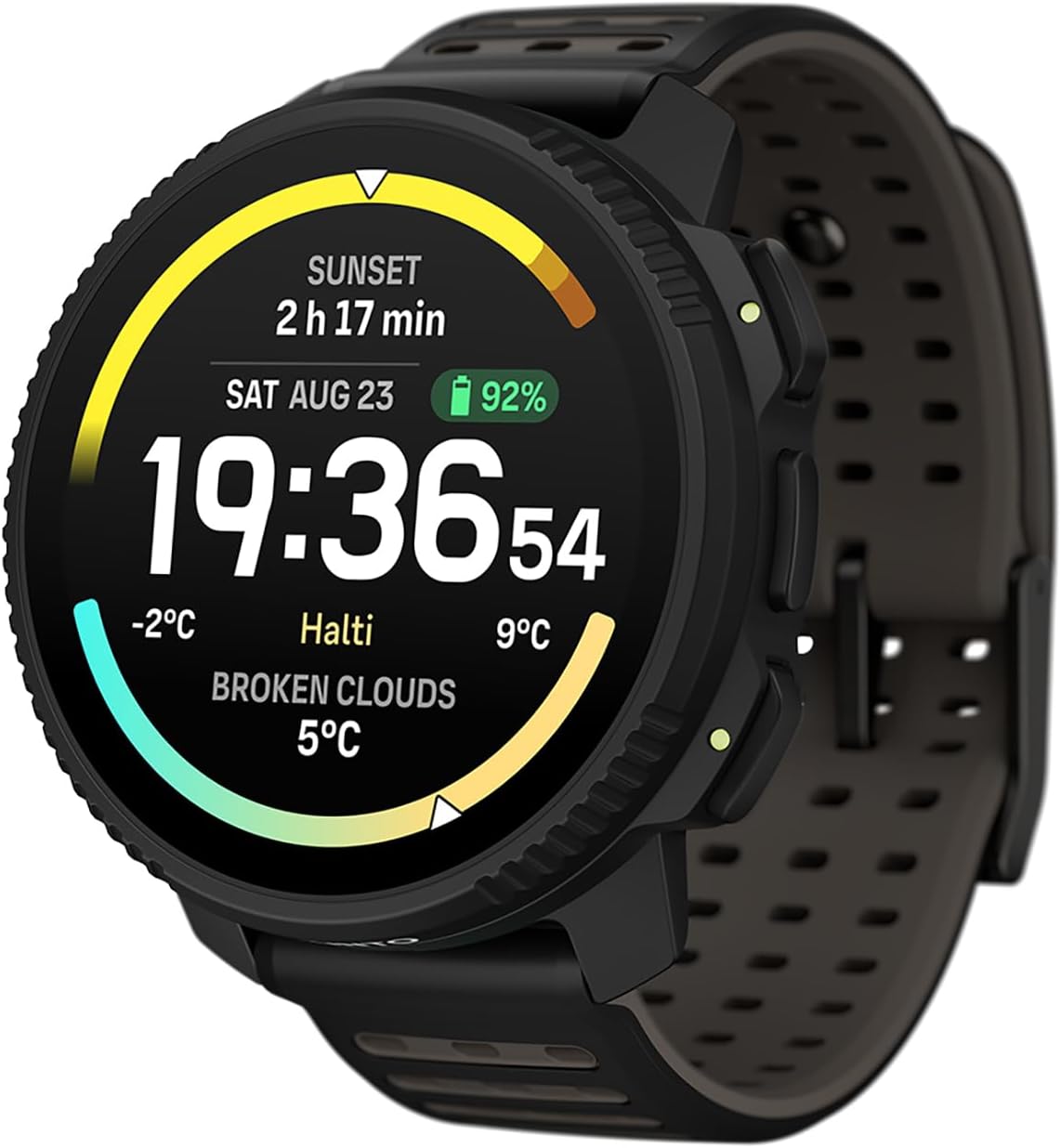
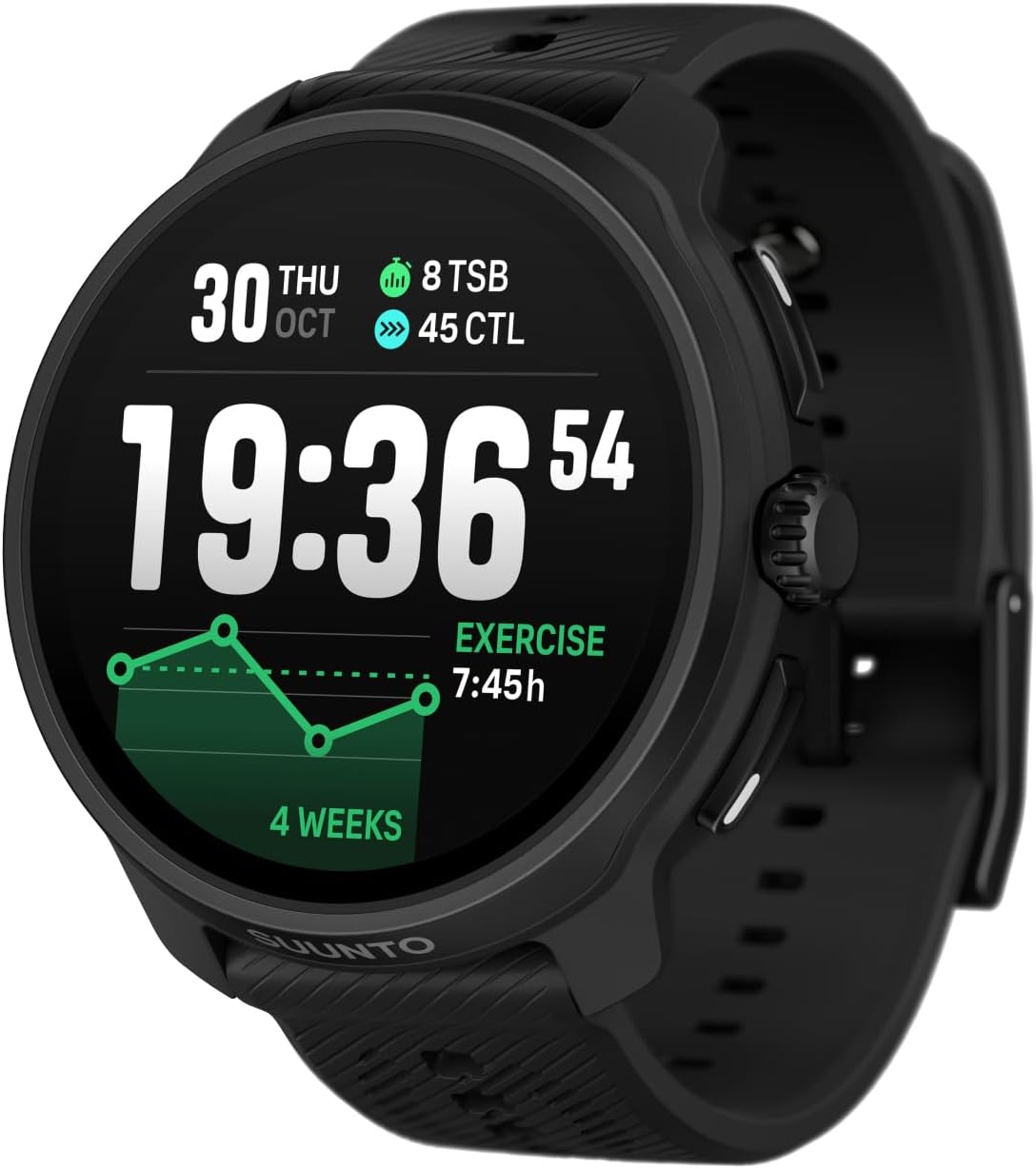 Suunto Vertical 2 vs Suunto Race 2See the head-to-head
- Suunto Vertical 2 vs Garmin Fénix 8 AMOLED 47 mmSee the head-to-head
- Suunto Vertical 2 vs Polar Grit X2 ProSee the head-to-head
- Suunto Race 2 vs Polar Grit X2 ProSee the head-to-head
- Garmin Fénix 8 AMOLED 47 mm vs Polar Grit X2 ProSee the head-to-head
- Garmin Fénix 8 AMOLED 47 mm vs Garmin Forerunner 965See the head-to-head
The golden rule: battery > finish time + margin
Before you look at prices or screens, do this calculation. Estimate how long your ultra will take (you can use our time estimator) and add a 20-30% margin for stops, cold and battery degradation over time. That figure is your minimum battery life in the GPS mode you’ll use.
- 50-80 km ultra (8-14 h): almost any mid-range watch with 30 h or more in GPS will do. A Forerunner 965 (31 h) or a Coros Pace 3 (38 h) covers the day with ease.
- 100 km / 100 miles (14-30 h): you’re now in 60 h or more territory. Coros Apex 2 Pro, Suunto Vertical 2 or Garmin Instinct 3 are the sweet spot.
- Multi-day, backyard or self-supported (>30 h): only one rules here, the Garmin Enduro 3 (120 h in GPS, extendable with solar).
Watch out for the multi-band trap: dual-frequency mode (maximum accuracy in canyons and dense forest) drains far more. On a Fenix 8 you go from 47 h to 35 h; on a Forerunner 965, from 31 h to 19 h. If your ultra is long, it almost always pays to give up multi-band and run in standard GPS mode.
The other 4 things that matter
1. Onboard maps
For a marked ultra, breadcrumb navigation (the track line) is enough. But if you race in open mountains, fog or self-supported, onboard topo maps (Garmin Fenix/Enduro, Coros Apex, Suunto, Polar Grit, Amazfit) are pure safety: you see where you are relative to the terrain, not just to a line.
2. Display: AMOLED vs MIP
- AMOLED (Fenix 8, Forerunner, Suunto Race 2, Suunto Vertical 2, Polar Grit, Amazfit): bright, sharp, perfect day and night. It penalises battery slightly if you keep it always-on.
- MIP / memory-LCD (Enduro 3, Coros, Instinct): less vivid, but perfectly readable under direct sun and it skyrockets battery life. It’s no coincidence that the battery king, the Enduro 3, is MIP.
3. Weight
Over 24 hours with something on your wrist, grams add up. Below 55 g (Forerunner 965, Coros Apex 2 Pro, Pace 3) is comfortable territory. The Suunto Vertical 2 (87 g in steel, 74 g in titanium) is the heaviest in the table: a great watch, but you feel it on long ultras.
4. Flashlight and ruggedness
Details that are worth their weight in gold during an ultra night: the built-in LED flashlight (Fenix 8, Enduro 3, Instinct 3) gets you out of more than one unlit aid station, and military-standard durability (Instinct 3, Amazfit T-Rex 3) shrugs off rock knocks without flinching.
Our recommendations by profile
- Best Overall — Garmin Forerunner 965. The perfect balance for the ultra runner who also trains on the road: AMOLED, maps, multi-band, Garmin metrics and just 53 g. Its 31 h covers the vast majority of single-day ultras.
- Best for 100-milers & multi-day — Garmin Enduro 3. Unrivalled battery: 120 h in GPS and 36 days as a watch. If your goal is a 100-miler, a Tor des Géants or a backyard, stop thinking about the charger.
- Best Value — Coros Apex 2 Pro. 66 h, free offline maps, multi-band and 53 g for far less than a high-end Garmin. The ultra pack’s sensible favourite.
- Best Budget — Amazfit T-Rex 3. Offline maps, dual-band, 2,000-nit AMOLED and military standard at an entry price. The cheapest way to own a complete ultra watch.
Battery is still king in ultra. Start with your finish time, add margin and let the table above do the rest. If your race is under 15 hours and you don’t need that much runtime, check the best-value trail watches guide for the same core features at a much lower price.
Other guides you might find useful
Races where you'll need this gear

Transgrancanaria
128K, 83K, 44K, and 30K crossing Gran Canaria from north to south
Read more →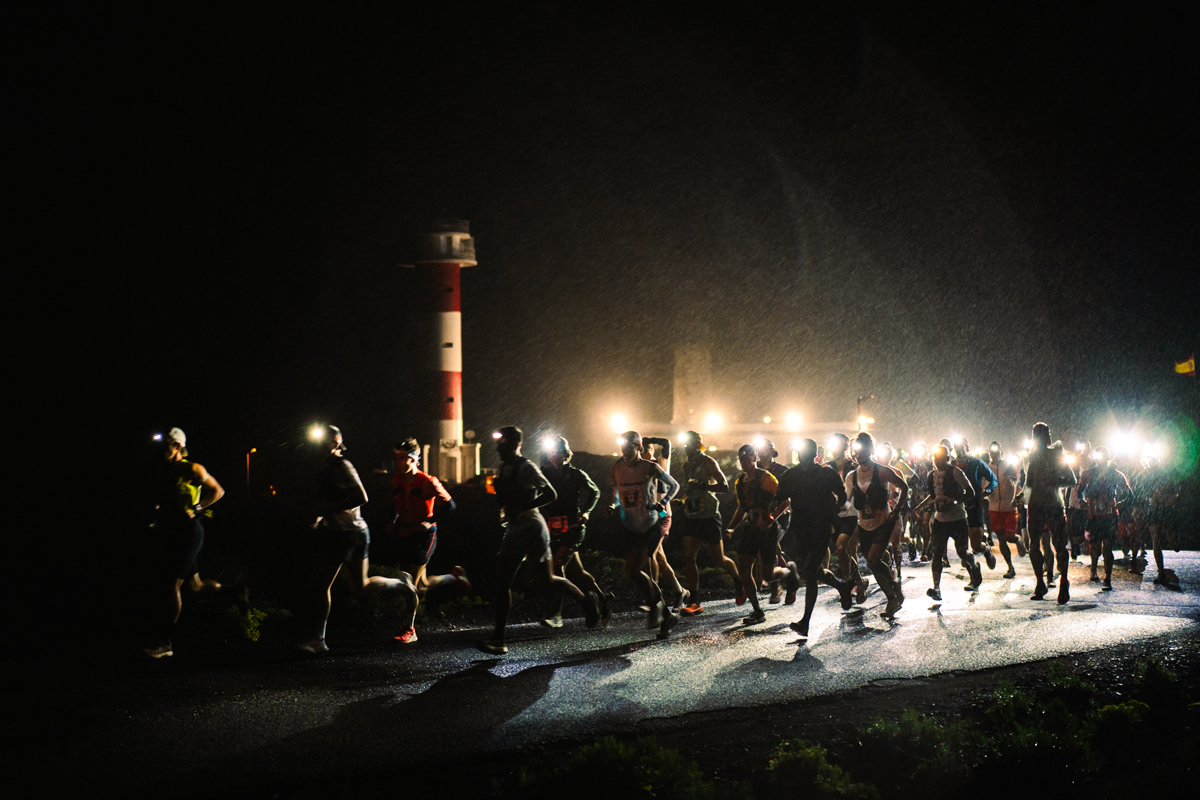
Transvulcania
73K, 43K, 25K, and VK crossing La Palma along the Ruta del Bastón
Read more →
Ultra Pirineu
100K, 54K, and 30K along the Cadí Range in the Catalan Pyrenees
Read more →
HOKA Val d'Aran by UTMB
163K, 110K, 75K, 55K, 32K and more through the Pyrenees of Val d'Aran — European Major UTMB World Series
Read more →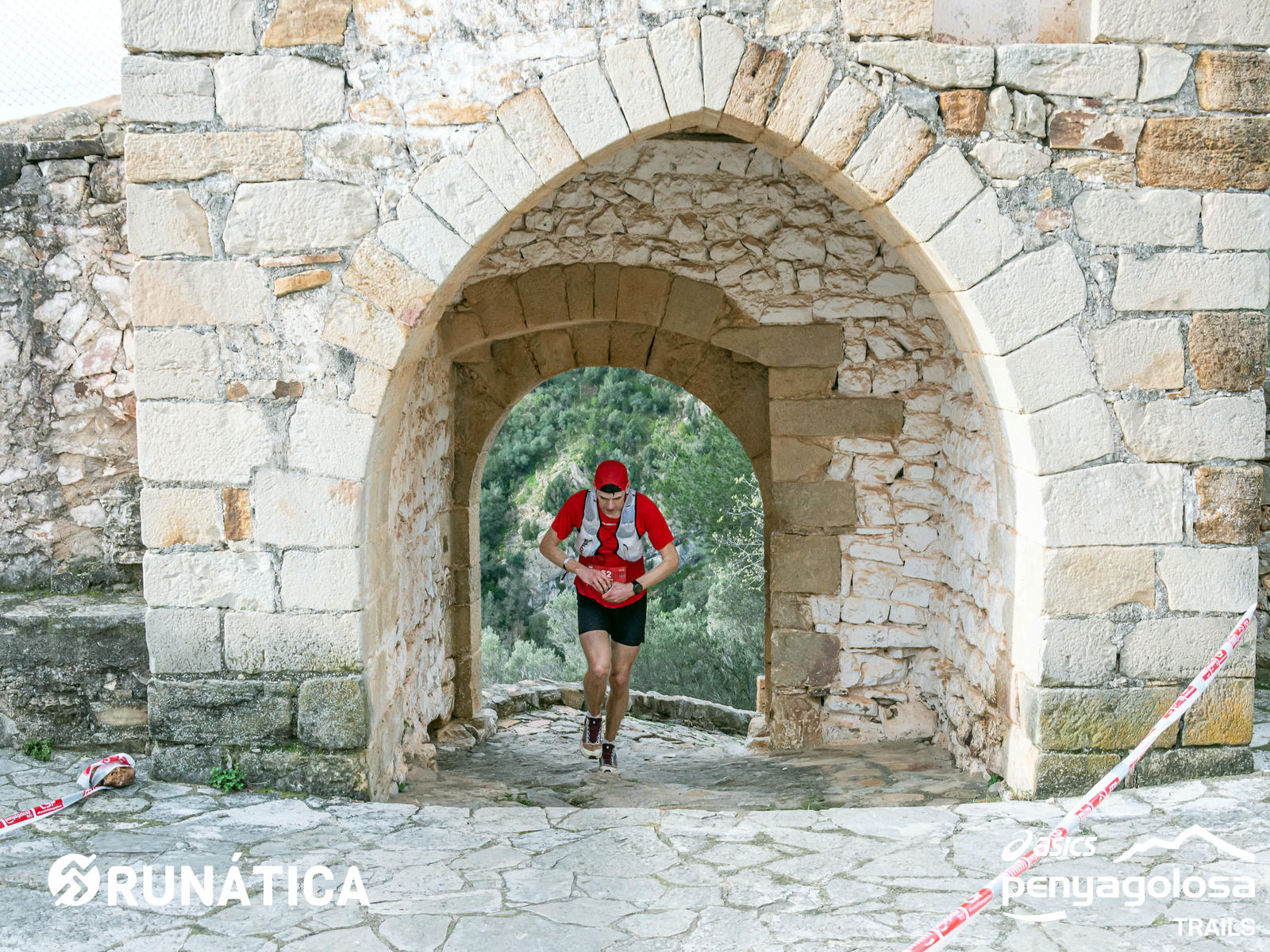
Penyagolosa Trails
106K and 60K from Castellón to the Penyagolosa summit via the GR-33
Read more →