Trail running insurance in Spain: complete guide by region
A helicopter rescue costs 3,000–15,000 EUR. Your insurance costs 40.
You’re at km 35 of an ultra. Technical descent, loose rock, bad step. Grade 2 ankle sprain. You can’t walk. You’re at 1,800 metres altitude, two hours on foot from the nearest village. You call 112. The helicopter comes.
That helicopter will save you. But if you don’t have insurance, you’ll also receive a bill for between 3,000 and 15,000 EUR depending on the region, flight time, and resources deployed.
A federation license costs between 30 and 80 EUR per year. A private mountain insurance policy starts at 39 EUR. A day insurance policy starts at 4.50 EUR.
The numbers speak for themselves. And yet, according to FEDME data, a significant percentage of mountain runners head out without insurance, exposing themselves to financial risk exceeding 10,000 EUR.
This guide covers everything you need to know: what types of insurance exist, how much they cost, what they cover, and how to get one in each Spanish region.
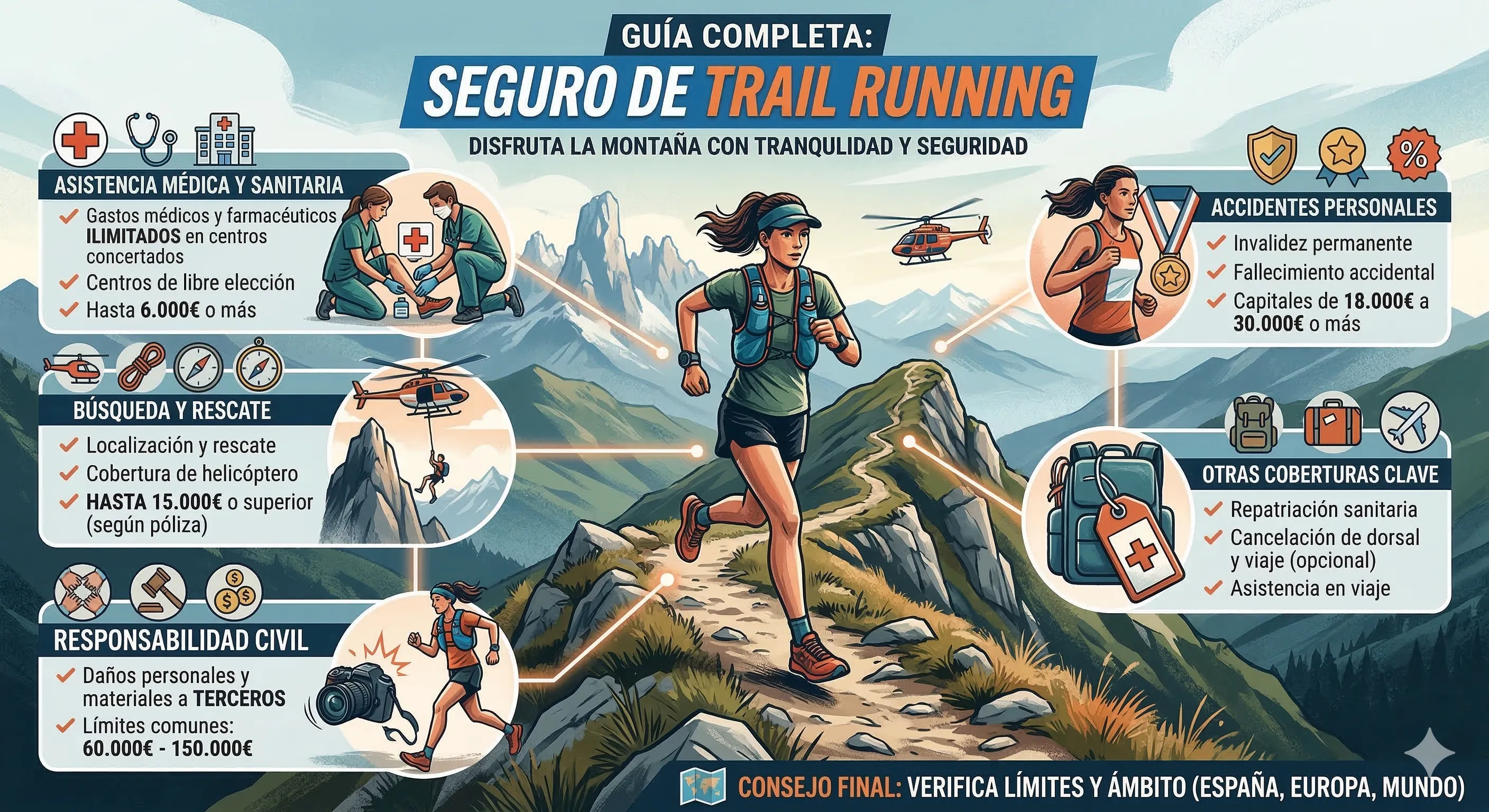
Is insurance mandatory for mountain running in Spain?
It depends on what you mean by “mandatory”:
- For racing: yes. The vast majority of trail races require a federation license or day insurance as a prerequisite. Without it, you don’t get your bib.
- For training on your own: there’s no law that forces you. But the consequences of not having it are real: rescue bills, uncovered medical expenses, and zero liability coverage.
- In certain regions: Aragón, Navarra, Cantabria, and Asturias have regulations that allow rescue costs to be billed in certain circumstances (negligence, lack of equipment, ignoring weather alerts). Insurance covers you against this.
The question isn’t whether it’s mandatory. The question is whether you can afford not to have it.
The 4 types of trail running insurance in Spain
1. Mountain federation license (FEDME)
The most comprehensive option if you race and train regularly in the mountains. It’s processed through your regional mountain federation, which belongs to FEDME (Federación Española de Deportes de Montaña y Escalada — the Spanish Federation of Mountain and Climbing Sports).
What’s included:
- Sports accident insurance (MAPFRE in 2026)
- Mountain rescue coverage
- Civil liability
- Medical expenses from accidents
- Coverage in official mountain competitions
- Repatriation (depending on the license tier)
Cost: between 30 and 100 EUR/year depending on the region and license type.
Best for: runners who race several times a year and train regularly in the mountains.
2. Athletics federation license (RFEA)
Many trail races in Spain are sanctioned by the RFEA (Real Federación Española de Atletismo — Royal Spanish Athletics Federation) in addition to or instead of FEDME. The athletics license includes sports insurance.
Key difference from FEDME: the athletics license covers athletics competitions (including sanctioned trail running), but may not cover mountain activities outside of competition (hiking, free training in the mountains, climbing).
Cost: the fixed federation fee is 35 EUR + insurance (varies by geographic scope and age).
Best for: runners who mainly race in athletics-sanctioned events and don’t need general mountain coverage.
More information: atletismorfea.es
3. Day insurance
For occasional races without an annual federation license. Offered by both race organisers and private insurers.
What’s included: accident and rescue coverage for a single day or specific event.
Cost: between 4.50 and 20 EUR per day depending on coverage.
Private day insurance options:
- Seguro de Aventura — From 4.50 EUR/day. Covers rescue, medical expenses, activities up to 3,500 m altitude. Underwriter: ARAG. Web: segurodeaventura.com
- RunBike Protect “One Ride” — Day insurance for runners and cyclists. Covers trail running, rescue in Spain and Europe. Web: runbikeprotect.com
- Xtremcover — Mountain sports insurance by day or annual. Web: xtremcover.com
Best for: runners who do 1–3 races per year and don’t want an annual license.
4. Annual private insurance
Annual policies from insurance companies covering mountain sports without needing a federation membership.
| Insurer | From | Key coverage | Web |
|---|---|---|---|
| Seguro de Aventura | 39 EUR/year | Rescue + medical, up to 3,500 m | segurodeaventura.com |
| MAPFRE Aventura | 2.79 EUR/day | Mountain, hiking, trail. Up to 3,500 m | mapfre.es |
| RunBike Protect | Variable | Trail running explicitly covered | runbikeprotect.com |
Best for: runners who train regularly in the mountains but don’t race (or race in events that accept private insurance).
Mountain federations by Spanish region
Here are direct links to the mountain federation of each autonomous community to process your federation license. The license is always managed through the regional federation, not FEDME directly.
| Region | Federation | Web | Licenses |
|---|---|---|---|
| Andalucía | FADMES | fadmes.es | Rates |
| Aragón | FAM | fam.es | Types |
| Asturias | FEMPA | fempa.net | Licenses |
| Balearic Islands | FBME | fbmweb.com | Prices |
| Canary Islands | FECAMON | fecamon.es | Join |
| Cantabria | FCDME | fcdme.es | Licenses |
| Castilla-La Mancha | FDMCM | fdmcm.com | Licenses |
| Castilla y León | FDMESCYL | fclm.com | Members |
| Catalonia | FEEC | feec.cat | Join |
| Valencia | FEMECV | femecv.com | Licenses & insurance |
| Extremadura | FEXME | fexme.com | Licenses 2026 |
| Galicia | FGM | fedgalmon.gal | Contact: secretaria@fedgalmon.gal |
| La Rioja | FERIMON | ferimon.com | Via website |
| Madrid | FMM | fmm.es | Insurance & cards |
| Murcia | FMRM | fmrm.net | Via website |
| Navarra | Nafar Mendi | nafarmendi.org | Management |
| Basque Country | EMF | emf.eus | Join |
Note: FEDME licenses are always processed through a mountain club affiliated with your regional federation. If you don’t belong to a club, many federations offer a “non-attached” option or can point you to open clubs in your area.
What to check before purchasing any insurance
Not all policies are equal. Before paying, verify these points:
1. That it explicitly covers “trail running”
Some mountain insurance policies cover “hiking” and “mountaineering” but exclude competitive sports or “timed activities”. If you’re going to race, make sure the policy includes trail running in competition.
2. Rescue coverage: helicopter included
Check that the policy covers air rescue (helicopter), not just ground rescue. A ground rescue with a stretcher may be covered while a helicopter rescue is not. The cost difference runs into thousands of euros.
3. Maximum altitude covered
Many private policies cover up to 3,500 metres. If you run ultras in the Pyrenees or Sierra Nevada with passes above that elevation, you need a policy with higher altitude coverage.
4. Geographic scope
- Spain only: sufficient if you race domestically.
- Spain + Andorra + French Pyrenees: necessary for cross-border races (Val d’Aran by UTMB, for example).
- International: if you race outside Spain (UTMB Chamonix, Lavaredo Ultra Trail, etc.).
5. Civil liability
If you cause an accident to another runner during a race (collision on a descent, displaced rock), civil liability covers third-party damages. Not all policies include this.
6. Waiting period
Some policies have a waiting period of 15–30 days from the date of purchase. Don’t wait until the week before your race to buy one.
What happens if you don’t have insurance and need a rescue
In Spain, emergency services will always rescue you, whether you have insurance or not. But afterwards:
- Aragón: the Aragón Mountain Law allows rescue costs to be billed when there is negligence or manifest recklessness.
- Navarra: similar regulations. Rescue costs can be passed on in certain cases.
- Cantabria: ability to bill rescues for recklessness since 2014.
- Asturias: regulations allowing rescue billing exist.
- Catalonia: the Bombers de la Generalitat can bill rescues for negligence.
In other regions, rescue is effectively free, but related medical costs (surgery, hospitalisation, rehabilitation) are on you for anything the public health system doesn’t cover. A torn cruciate ligament can mean months of private physiotherapy.
Your “physical insurance”: the gear that protects you
Paper insurance covers you financially. But there’s insurance you carry in your pack that can prevent you from needing the other kind: emergency gear.
These products don’t replace an insurance policy, but they drastically reduce the risk of a minor incident becoming a serious emergency.
First aid kit
A cut, a deep abrasion, a sprain. With a basic first aid kit you can treat the wound on the spot and decide whether to continue or withdraw in a controlled way. Without one, an open wound three hours from your car is a serious problem.

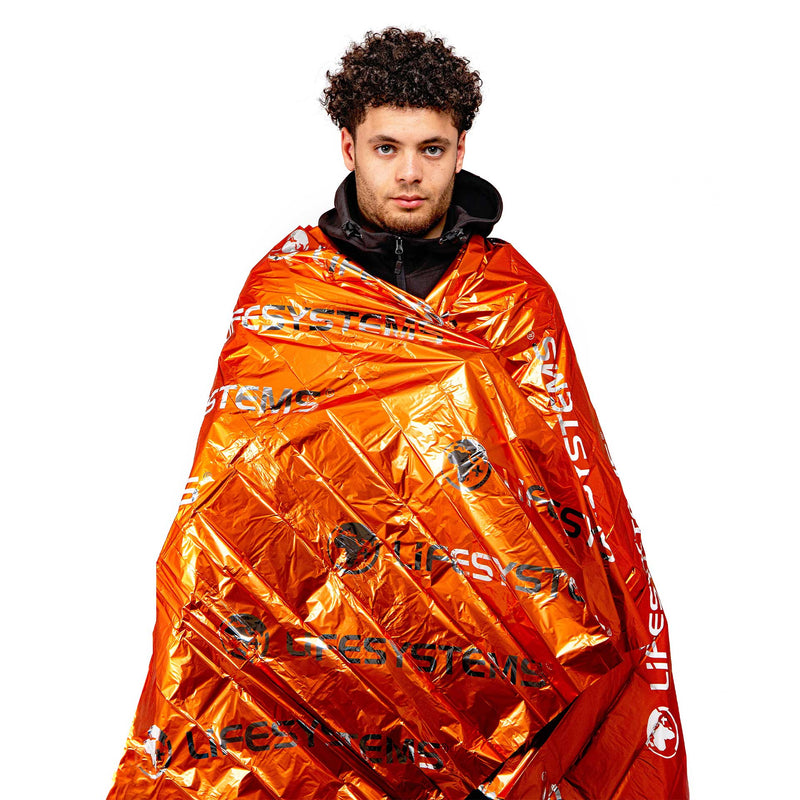
Emergency thermal blanket
If you fall and can’t move, hypothermia arrives much faster than you think. The thermal blanket retains 90% of your body heat, weighs 60 grams, and costs less than 10 EUR. It’s the best weight-to-safety ratio that exists.
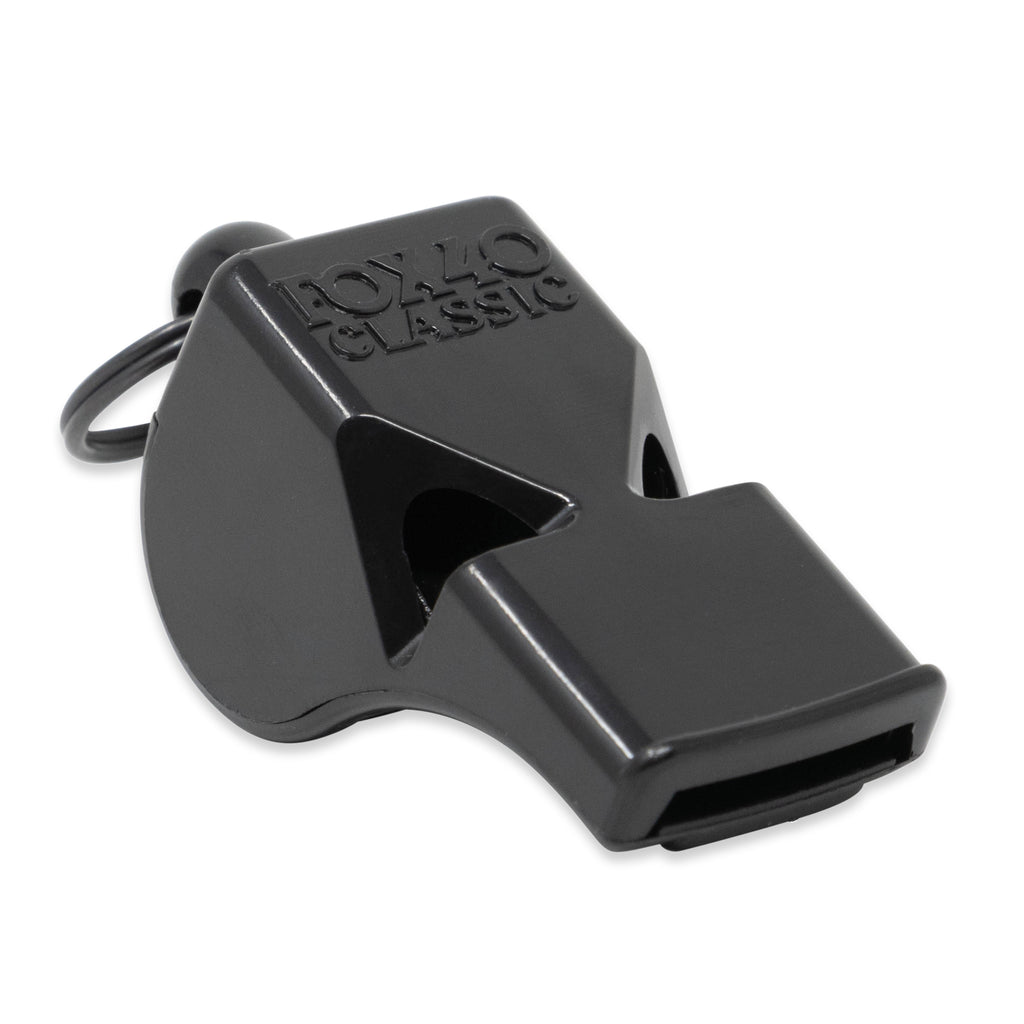
Emergency whistle
Three blasts, one-minute pause, three blasts. The international distress signal. A whistle’s sound travels much further than your voice, especially in wind. 10 grams that can make the difference between being found in 30 minutes or 3 hours.
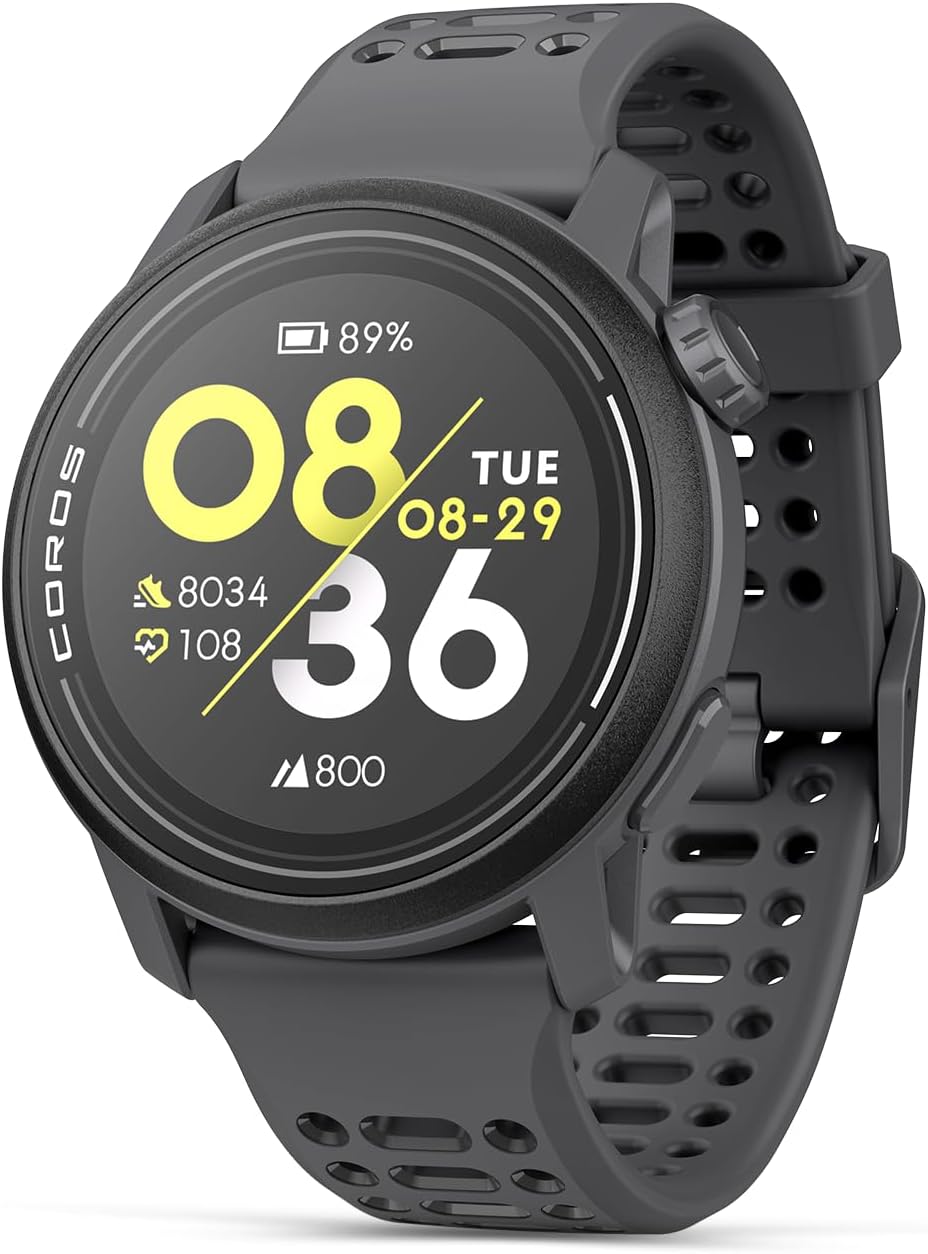
GPS watch with navigation
A watch with GPX tracks and off-course alerts lets you know exactly where you are at all times. If you need to call for rescue, you can give your exact coordinates to 112, drastically reducing response time.
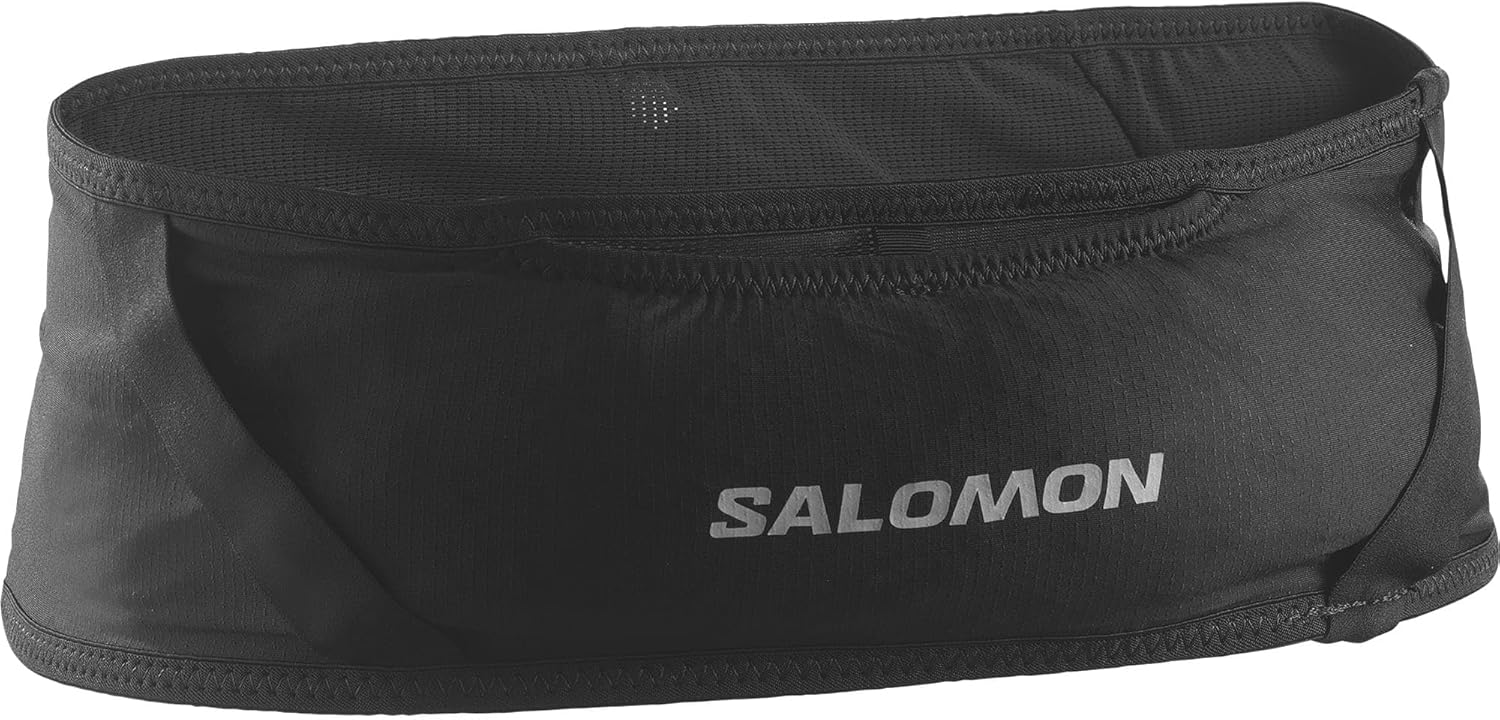
Accessible phone carrier
Your phone is your lifeline. If it’s at the bottom of your pack with the screen off, it’s useless when you’re on the ground with a broken ankle. A phone belt gives you immediate access to 112 and GPS.
FEDME or RFEA? How to choose
The most common dilemma. The answer depends on your profile:
| FEDME (mountain) | RFEA (athletics) | |
|---|---|---|
| Covers free training | Yes | Sanctioned competitions only |
| Covers trail races | Yes (mountain) | Yes (athletics) |
| Covers hiking | Yes | No |
| Mountain rescue | Included | Depends on policy |
| Approximate cost | 30–100 EUR/year | 35 EUR + insurance |
| Best for | Trail + general mountain | Competitions only |
If you only run athletics-sanctioned races → RFEA.
If you train in the mountains, hike, and race trail → FEDME.
If you do both → many runners get both licenses. The combined cost (80–150 EUR/year) is still far less than a single rescue.
Checklist: are you insured?
Before your next mountain outing, review this list:
- ✅ You have a valid federation license (FEDME and/or RFEA)
- ✅ Or private insurance that explicitly covers trail running
- ✅ Your insurance covers air rescue (helicopter)
- ✅ The maximum altitude covered is sufficient for your race
- ✅ The geographic scope includes where you’ll be running
- ✅ You’re past the waiting period
- ✅ You carry your federation card or policy number where you can access it
- ✅ You carry basic emergency gear (first aid kit, thermal blanket, whistle)
40 EUR insurance or a 10,000 EUR bill. Your call.
No trail runner heads to the mountains thinking they’ll need a rescue. But trail running is a sport on natural terrain — elevation, rocks, mud, unpredictable weather, and accumulated fatigue. Falls happen. Sprains happen. Storms arrive sooner than forecast.
Insurance doesn’t make you faster or stronger. But it lets you run with the peace of mind that if something goes wrong, you won’t have to choose between your health and your bank account.
If you want to dive deeper into what to always carry in your pack, check out our mandatory gear guide for ultra trail. And if you’re concerned about what to do when things go wrong in the mountains, read what to do when you fall on the trail.