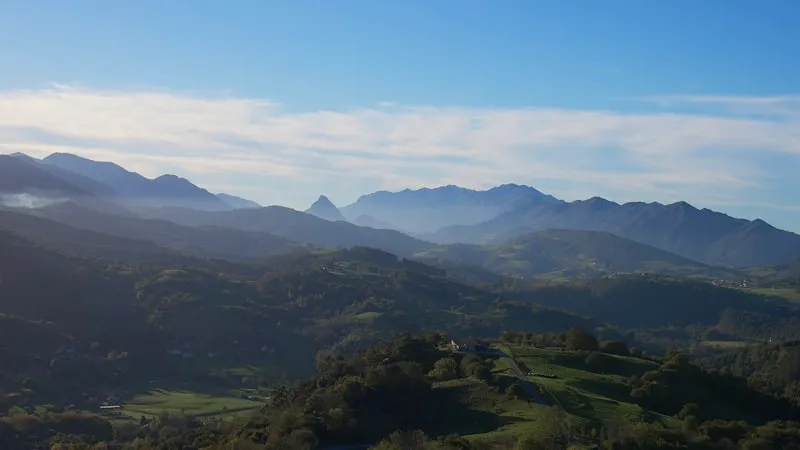
 Photo: Ignacio Fernández Álvarez / Source
 Potes
Travesera Picos de Europa
Saturday, September 12, 2026
Date, registration & deadlines
Sep 12, 2026 · Registration open
Local guides
Race data
| Modality | Distance | Elevation Gain | ITRA | Max Time | Price |
|---|---|---|---|---|---|
| Travesera 72K | 72 km | D+ 5800m | 5 pts | 22h | 110 EUR |
| Machacona 36K | 36 km | D+ 2800m | 3 pts | 11h | 65 EUR |
What you need
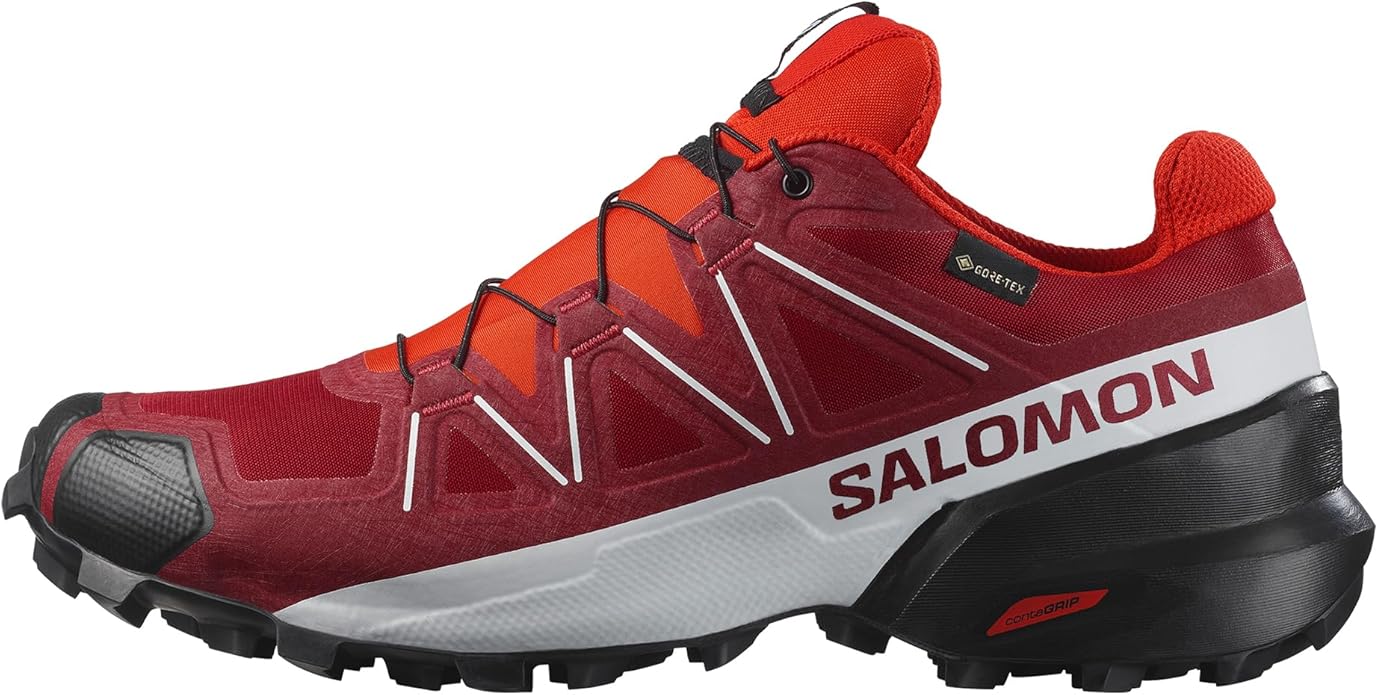
Salomon
Salomon Speedcross 6

Gourmet Latino
Bocadillo de Guayaba Gourmet Latino

DRIVALIA
DRIVALIA Alquiler de vehículos por Suscripción CarCloud Country Plus
How long will it take you?
Estimate your race time based on distance, elevation and your runner level.
Historical weather
Typical weather for the race date (10-year average)
Temperature
14°C – 23°C
Average 19°C
Rain
47%
5.5 mm avg
Wind
10 km/h
max. average
Sunshine hours
9h
daily average
Gear recommendations
Bring a waterproof jacket (47% chance of rain)
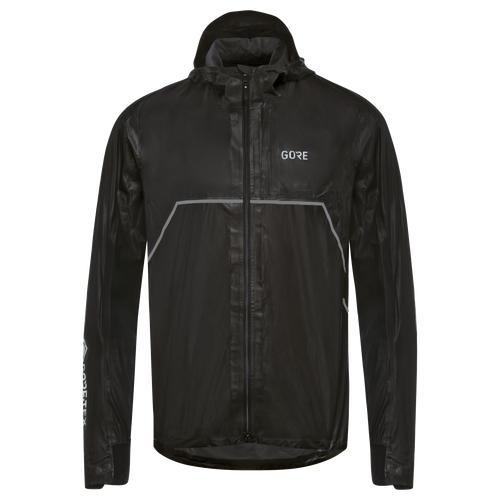
Gore Wear
Gore Wear R7 GTX Shakedry
Chubasquero Gore-Tex Shakedry ultraligero (110 g). Impermeabilidad total sin membrana interior, altamente transpirable. El referente para corredores de montaña.
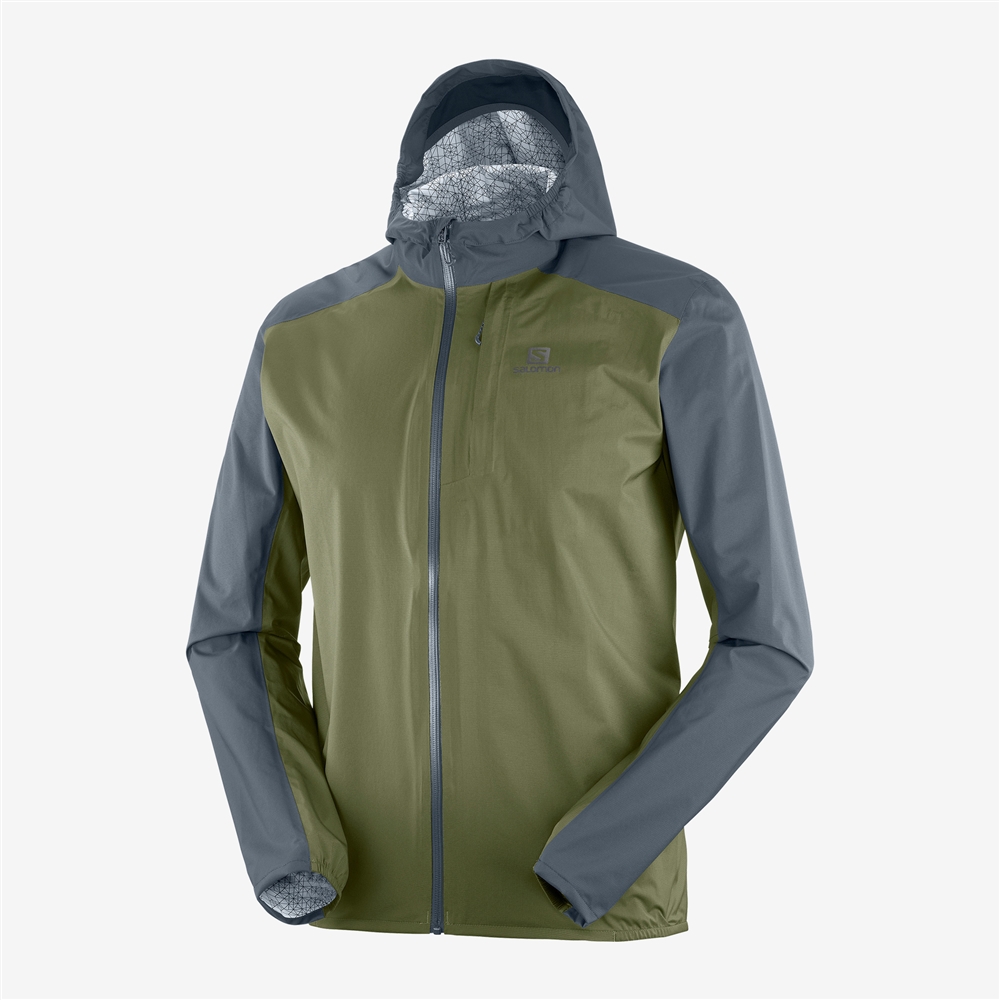
Salomon
Salomon Bonatti WP
Chaqueta cortavientos impermeable ultraligera (135 g). Costuras selladas, capucha ajustable y ventilación trasera. Se pliega en su propio bolsillo.
Sun protection essential (9h sunshine, up to 23°C)
Forecast for September 12
Real-time data from Open-Meteo
Travesera Picos de Europa
Travesera Picos de Europa is a 72K ultra with 5,800m D+ that traverses all three massifs of Picos de Europa. It is widely regarded as the most technical and toughest trail race in Spain. Held in September from Potes (Cantabria).
Travesera Picos de Europa is, for many, the toughest and most technical ultra trail in Spain. Its 72-kilometer course with 5,800 meters of positive elevation gain crosses the three massifs of Picos de Europa through high-mountain limestone terrain, gullies, sinkholes and ridges that demand both physical fitness and technical mountain experience.
The Course
The Travesera 72K crosses all three massifs of Picos de Europa: Western (Cornión), Central (Urrieles) and Eastern (Ándara). The terrain is technical limestone with gullies, sinkholes and scrambling sections. The course passes by the Naranjo de Bulnes.
The route starts from Potes and traverses all three massifs in a loop that passes through the most iconic landmarks of Picos:
- Central Massif (Urrieles) - The most rugged, with the Naranjo de Bulnes as its landmark
- Canal de Capozo - A technical limestone gully with scrambling sections
- Jou de los Cabrones - An area of karst sinkholes at 2,000m
- Refugio de Cabariezo - An aid station in remote terrain
- Desfiladero del Cares - The final stretch, more of a hiking trail
The Most Technical Race in Spain
The Travesera is considered the most technical race in Spain due to its scrambling sections, limestone gullies and karst terrain. Gloves are needed for scrambling and high-mountain experience is essential. This is not a race for beginners.
Unlike other ultras where the challenge is distance or elevation, at the Travesera the deciding factor is technical skill. There are sections where you need to use your hands to scramble, steep gullies of loose limestone and areas of karrenfeld where a wrong step can be dangerous. The organizers require demonstrable high-mountain experience. Review the mandatory gear guide to prepare for the extensive equipment list.
Picos de Europa
Picos de Europa is the highest limestone massif in western Europe, with summits exceeding 2,600 meters. It is shared between Asturias, Cantabria and León. The landscape is spectacular: limestone spires, deep gorges, glacial lakes and mountain meadows.
Picos de Europa National Park, the first in Spain (declared in 1918), protects a unique ecosystem. Chamois, griffon vultures and the brown bear inhabit these mountains, and Travesera runners share the trails with wildlife.
Limited Spots
The Travesera has only 400-500 spots. They sell out very quickly and a minimum of 3 ITRA points is required. A lottery is held among all registered runners who meet the requirements.
The limited number of spots reflects the fragility of the environment and the logistical difficulty of organizing an event in such remote terrain. Rescue teams are distributed along the course, but evacuation from some points can take several hours.
Use our time estimator to plan your pacing on this extreme course, and check out our budget guide to plan expenses. Browse more races in Cantabria.
Mandatory Gear
According to the official race regulations
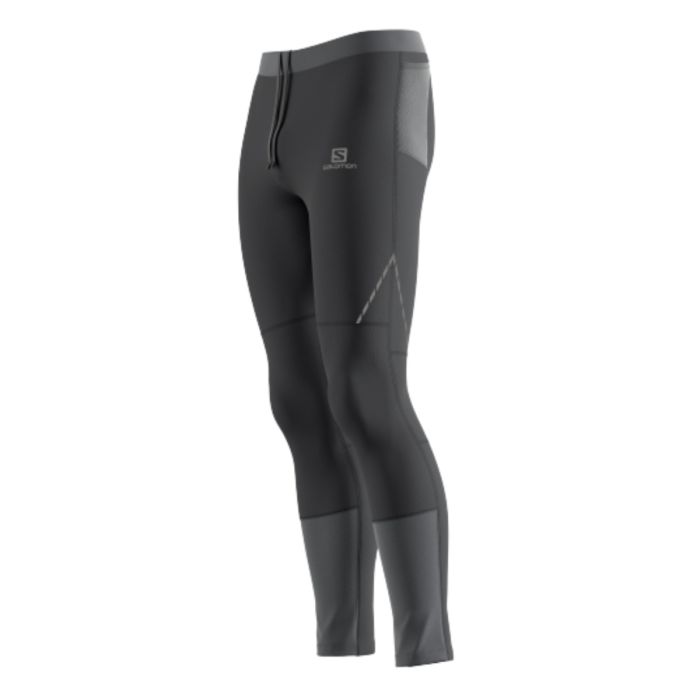
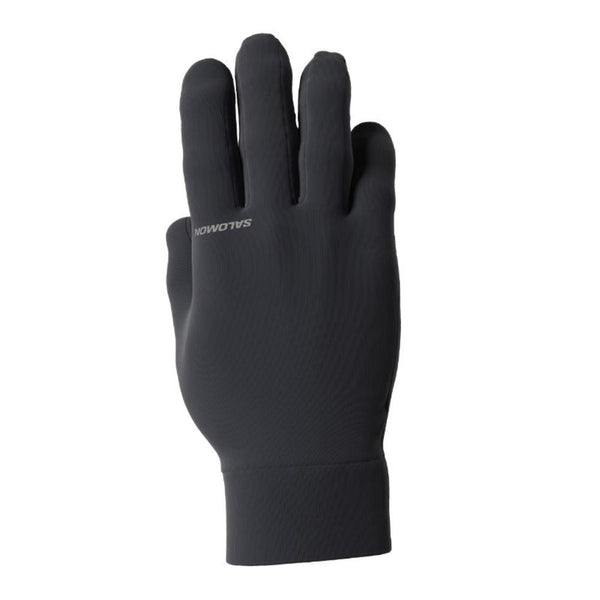
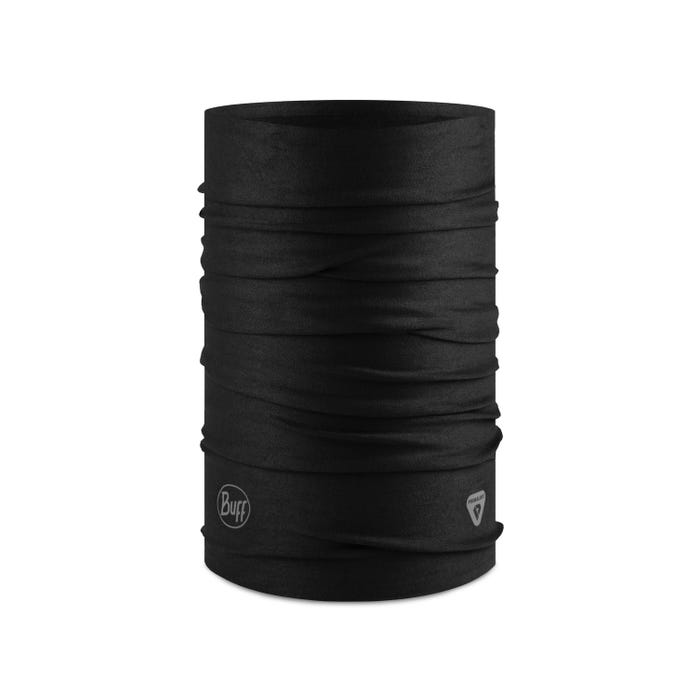
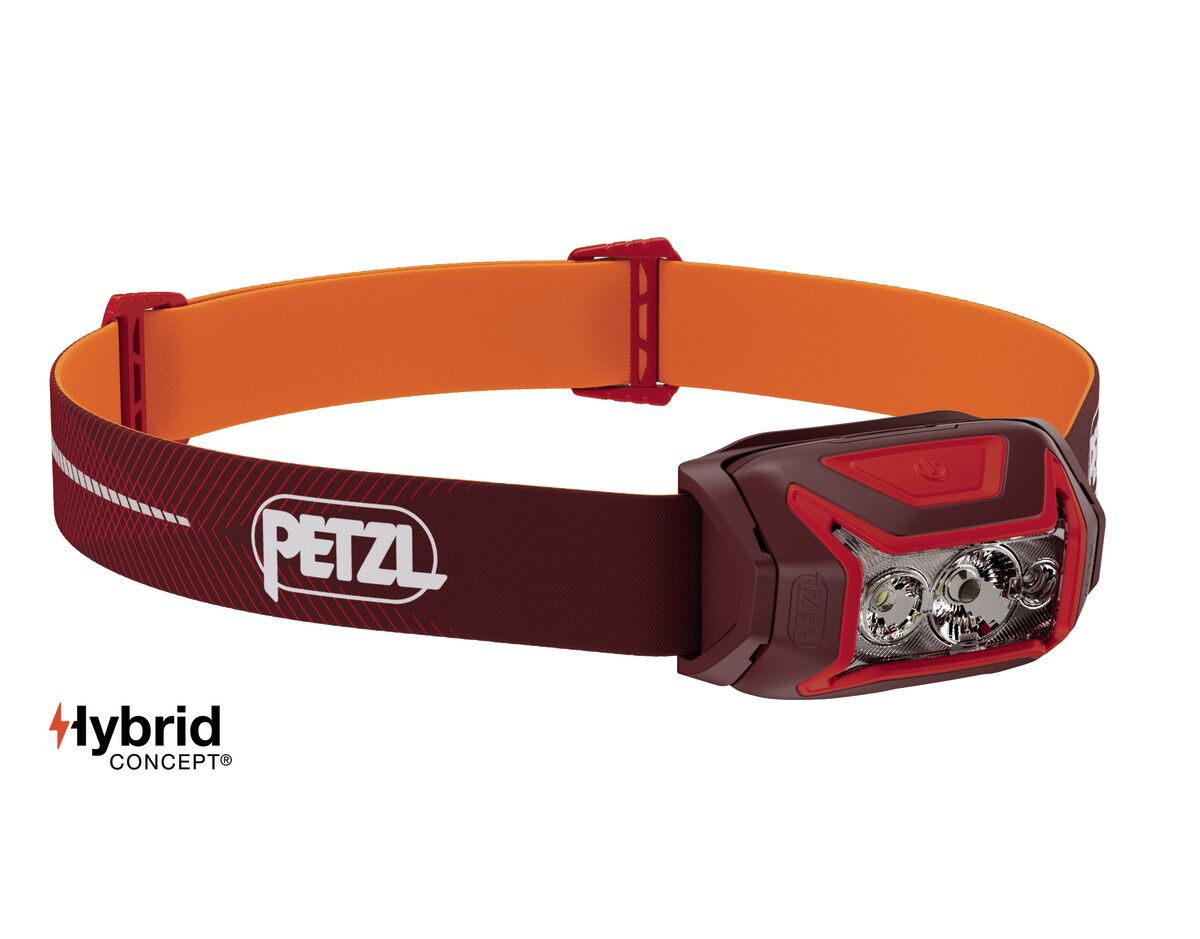
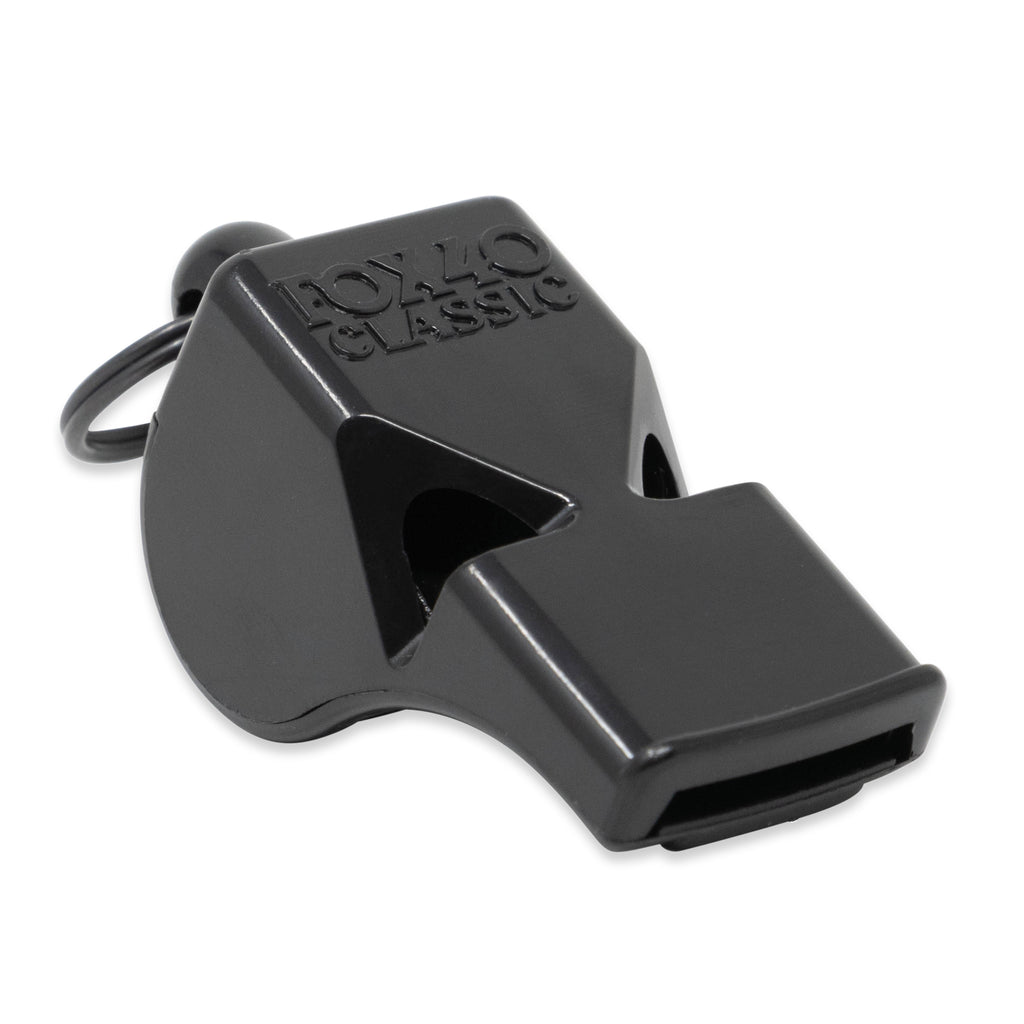
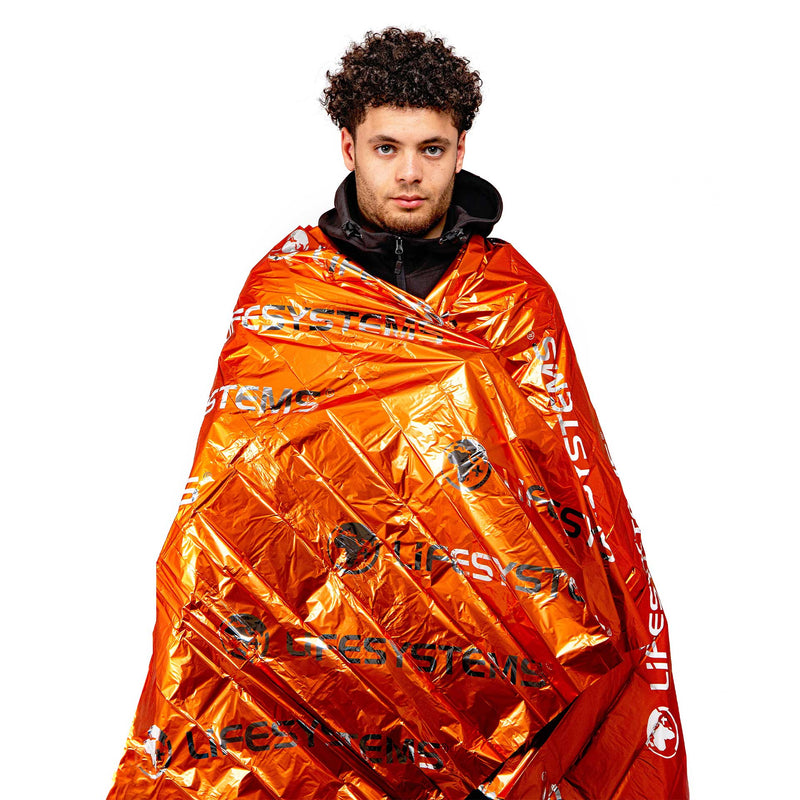
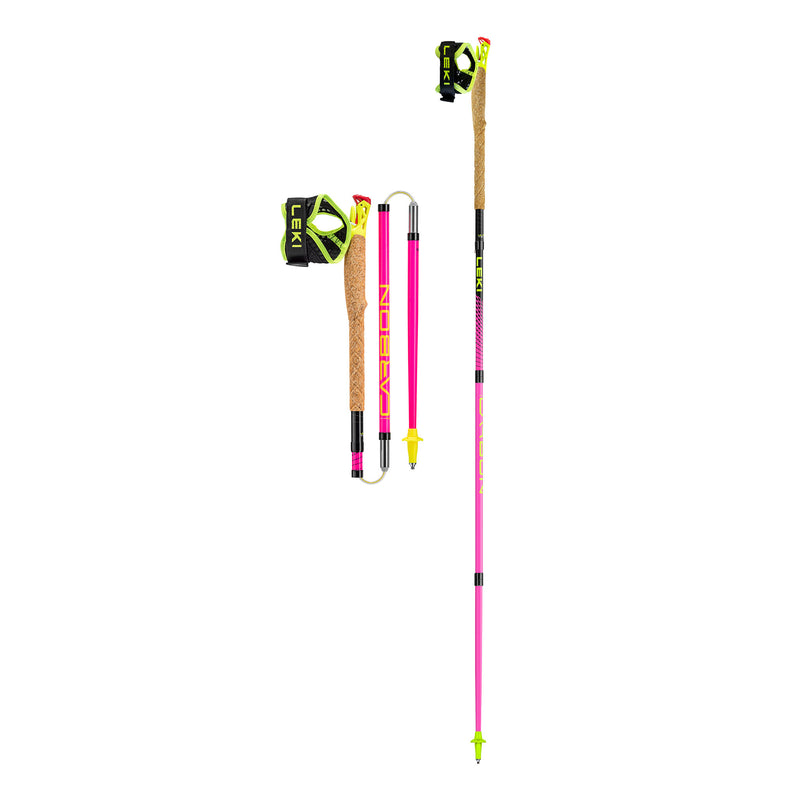
360 Complete Pack
Travesera Picos de Europa 2026 Registration
InscripciónSpots are very limited and sell out quickly. ITRA points are required.
Browse all inscripciónTips
- • Very limited spots: 400-500 runners for the Travesera
- • 3 ITRA points are required for the Travesera 72K
- • A medical certificate with ECG is mandatory
- • A lottery is held if demand exceeds available spots
Where to Stay for the Travesera
AlojamientoPotes is the main base. The Liébana region has a good selection of rural accommodation.
Browse all alojamientoTips
- • Potes has hotels, guesthouses and rural cottages
- • The Liébana region is a tourist area with good accommodation options
- • September is not peak season: more reasonable prices
- • Fuente Dé (cable car) is 20 minutes from Potes
Recommended Gear for the Travesera
MaterialExtreme terrain: limestone gullies, sinkholes, scree fields and scrambling sections. The most technical race in Spain.
Browse all materialTips
- • Shoes with maximum protection and grip on rock
- • Poles are mandatory for the major climbs
- • Gloves recommended for scrambling sections
- • The most technical race in Spain: prepare full mountain gear
Nutrition Plan for the Travesera
NutriciónAn ultra of up to 22 hours with extreme elevation changes. Very high caloric expenditure.
Browse all nutriciónTips
- • Aid stations at mountain refuges
- • The extreme elevation gain increases caloric expenditure
- • Solid food and broth at night-time aid stations
- • Carry extra food: the stretches between aid stations are long
How to Get to Potes
TransportePotes is in the Liébana region (Cantabria), accessible from Santander and the A-8 motorway.
Browse all transporteTips
- • Santander Airport (SDR) is 120 km away (1h 45min)
- • Bilbao Airport (BIO) is 200 km away (2h 30min)
- • The Desfiladero de La Hermida gorge is the main access route
- • A car is essential for this area
Car Rental for the Travesera
Alquiler de vehículoA car is essential to reach Potes and get around the Liébana region.
DRIVALIA
DRIVALIA Alquiler de vehículos por Suscripción CarCloud Country Plus
Suscripción de alquiler de vehículos tipo SUV/crossover, ideal para llegar a carreras de montaña por carreteras rurales y pistas forestales.

DRIVALIA
DRIVALIA Alquiler de vehículos por Suscripción CarCloud City
Suscripción de alquiler de vehículos urbanos, perfecta para desplazarte a carreras con buenos accesos por autovía y carretera convencional.
Tips
- • Mountain roads with curves but well maintained
Sports Insurance for the Travesera
SeguroAn extreme ultra in high-mountain limestone terrain. Insurance with helicopter rescue coverage is mandatory.
Browse all seguroTips
- • Liability and rescue insurance is mandatory
- • The organization requires specific insurance for the event
- • Very remote areas: rescue can take hours
Frequently Asked Questions
- When is the Travesera Picos de Europa 2026?
- Travesera Picos de Europa 2026 takes place on September 12, with the start and finish in Potes (Cantabria).
- What distances does the Travesera offer?
- Two distances: the Travesera 72K (5,800m D+) and the Machacona 36K (2,800m D+).
- Are ITRA points required for the Travesera?
- Yes, ITRA points are required for the Travesera 72K. Spots are limited and sell out quickly.
- Why is it considered one of the toughest ultras in Spain?
- The course crosses all three massifs of Picos de Europa through extremely technical high-mountain limestone terrain, with 5,800m of positive elevation gain and exposed sections.
- How do you get to Potes?
- Potes is 1h 30min from Santander via the A-67 and N-621. There are also buses from Santander and Oviedo, although a car is the most practical option.
- What mandatory gear is required?
- The organization requires strict mandatory gear including a windbreaker, long tights, gloves, beanie, headlamp with spare batteries, whistle and emergency blanket.
Similar races
View all similar races →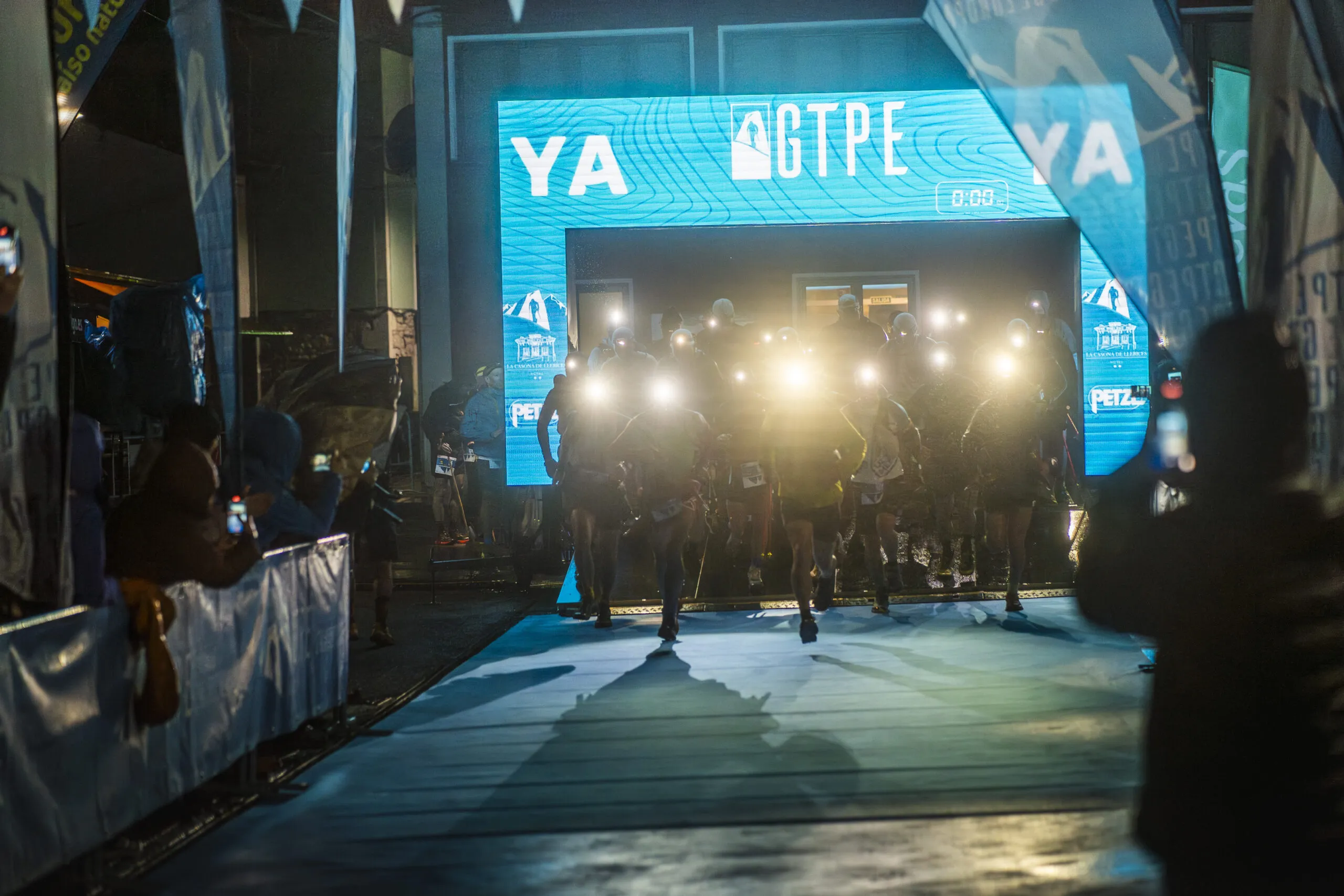 Featured
 GTPE Picos de Europa
Benia de Onís
5 distancias (70K a 10K) por el macizo occidental de Picos de Europa desde Benia de Onís
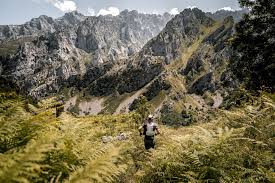 Photo: Desafío Ultra El Cainejo
 Desafío Ultra El Cainejo
Caín de Valdeón, León
52K, 35K y 19K por los Picos de Europa desde Caín de Valdeón — una de las carreras más técnicas de España
 100K Elite
 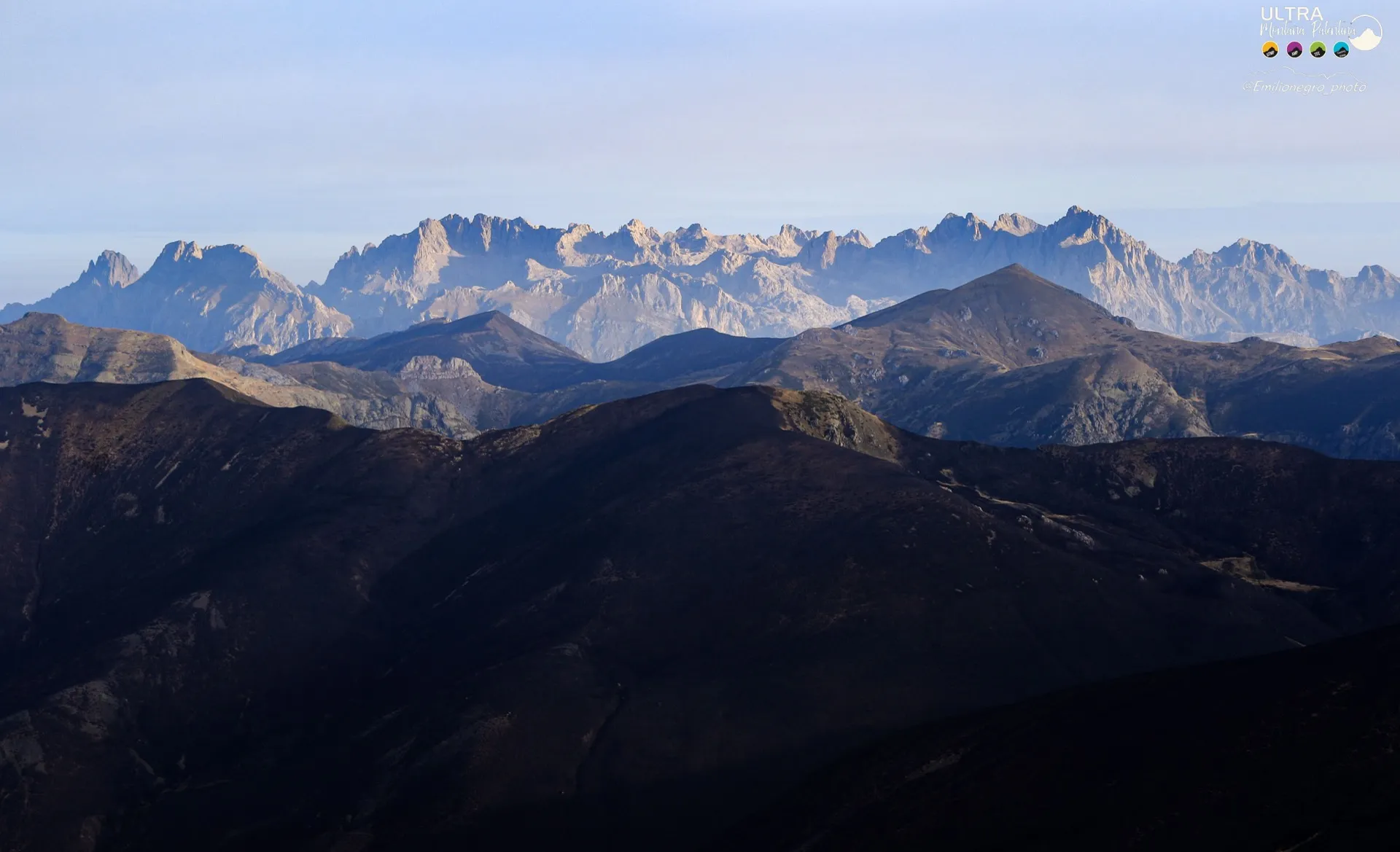 Photo: Ultra Montaña Palentina
 Ultra Montaña Palentina
Camporredondo de Alba, Palencia
65K, 44K, 21K y 6K por la Montaña Palentina desde Camporredondo de Alba — trail de alta montaña en el norte de Palencia
Related guides
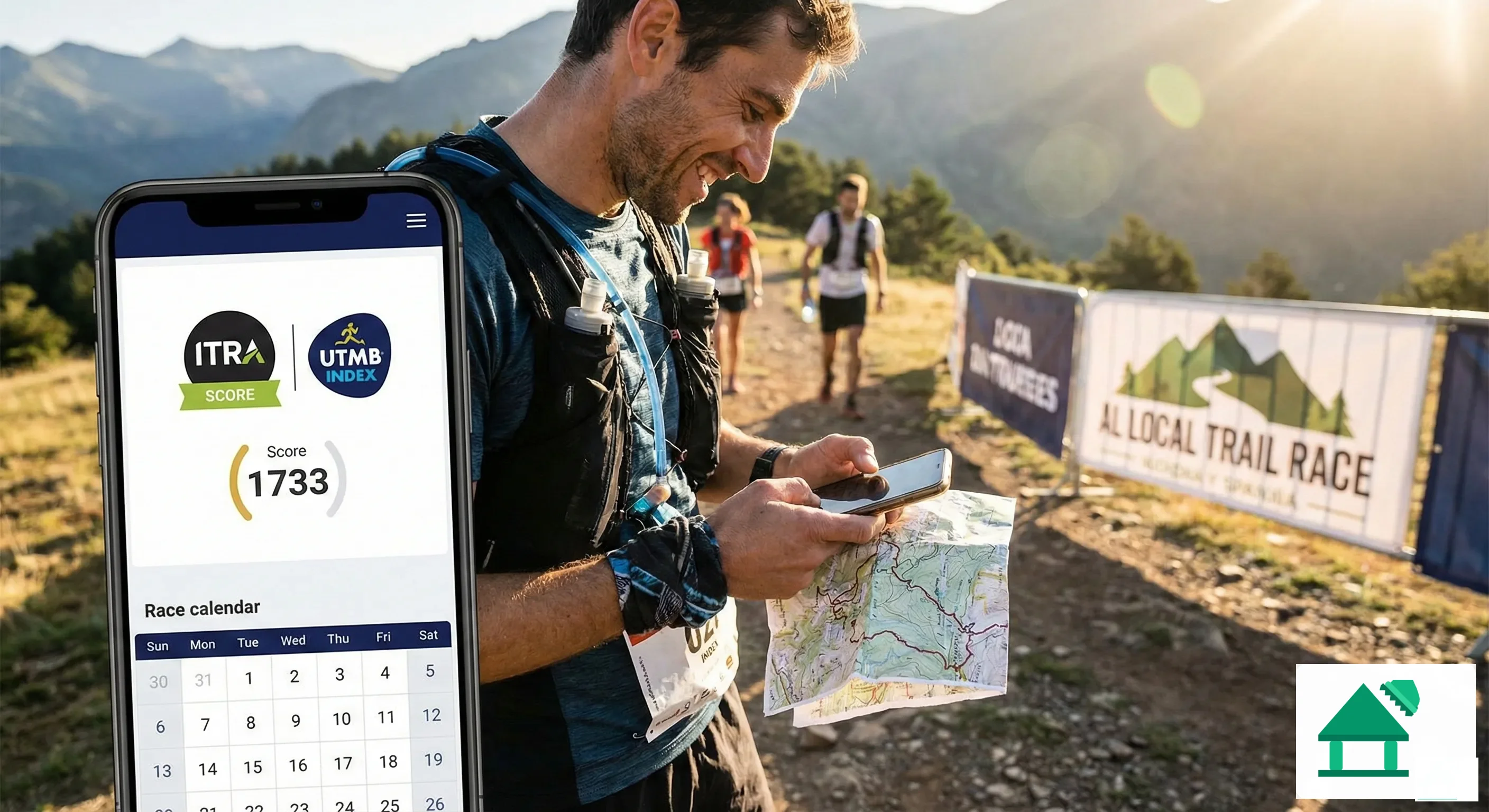
ITRA Points and UTMB Index: complete guide for trail runners in Spain
What are ITRA points and the UTMB Index, how they're calculated, which races in Spain award them and which require them for registration. Full table with 2026 data.
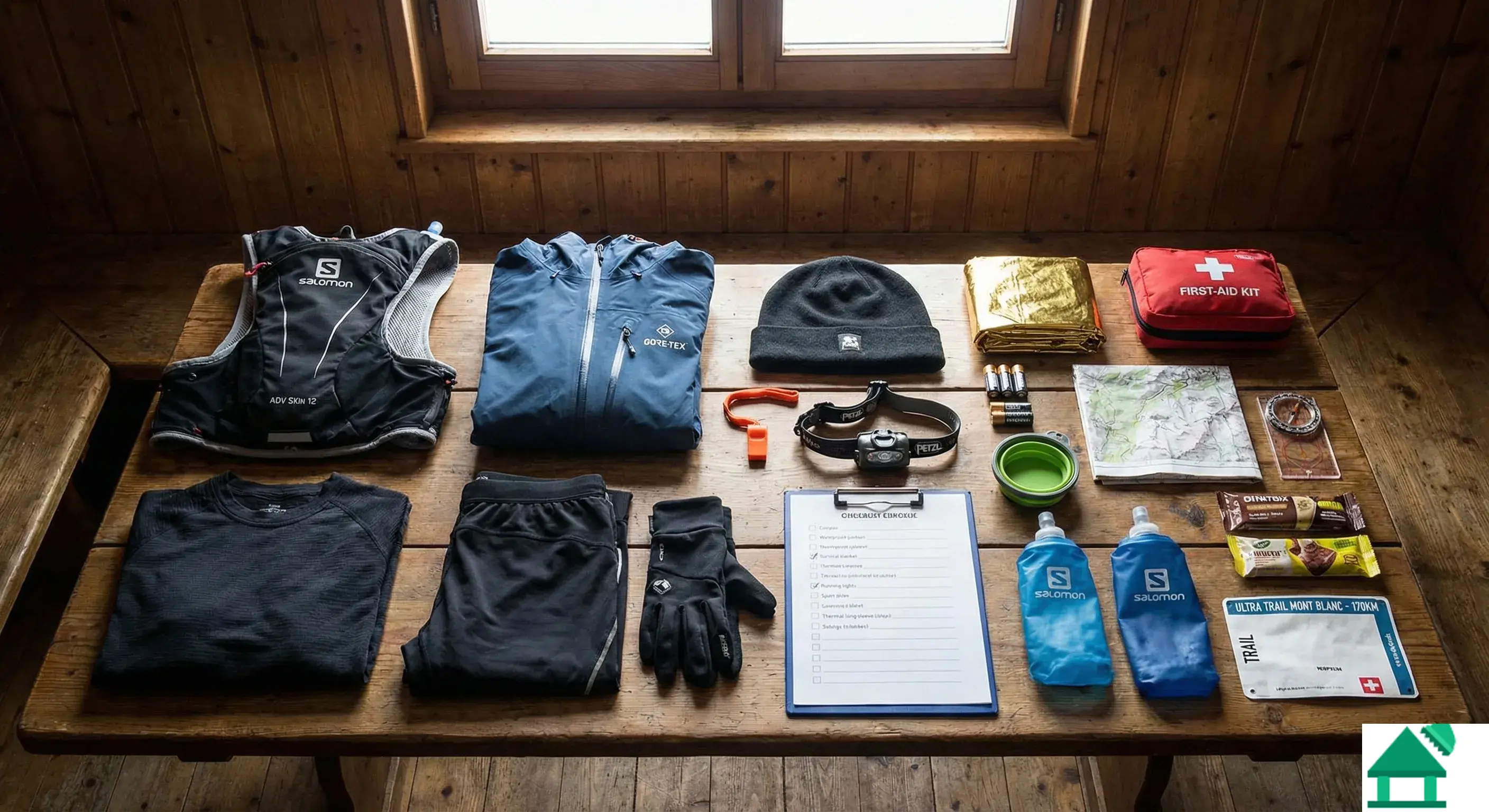
Mandatory gear for ultra trail: complete guide 2026
Complete guide to mandatory gear for ultra trail races in Spain. 12 equipment categories, analysis of 25+ races, and recommendations by distance and terrain.
Trail running in Spain by the numbers: key statistics and data for 2026
Trail running statistics and data for Spain in 2026: number of races, participants, average prices, most popular distances, top regions and sector trends.