What to do when you fall trail running: emergency guide for mountain runners
What to do when you fall trail running: the first 60 seconds
You’ve gone down. Loose rock, hidden root, mud, a bad step on a technical descent. It happens to everyone. According to a study published in the British Journal of Sports Medicine, 65% of trail running injuries are caused by falls, and most occur on technical descents with uneven terrain.
What you do in the first 60 seconds makes the difference between a scare and a serious situation. This guide covers everything: from how to react in the moment to what to always carry so a fall doesn’t turn into an emergency.
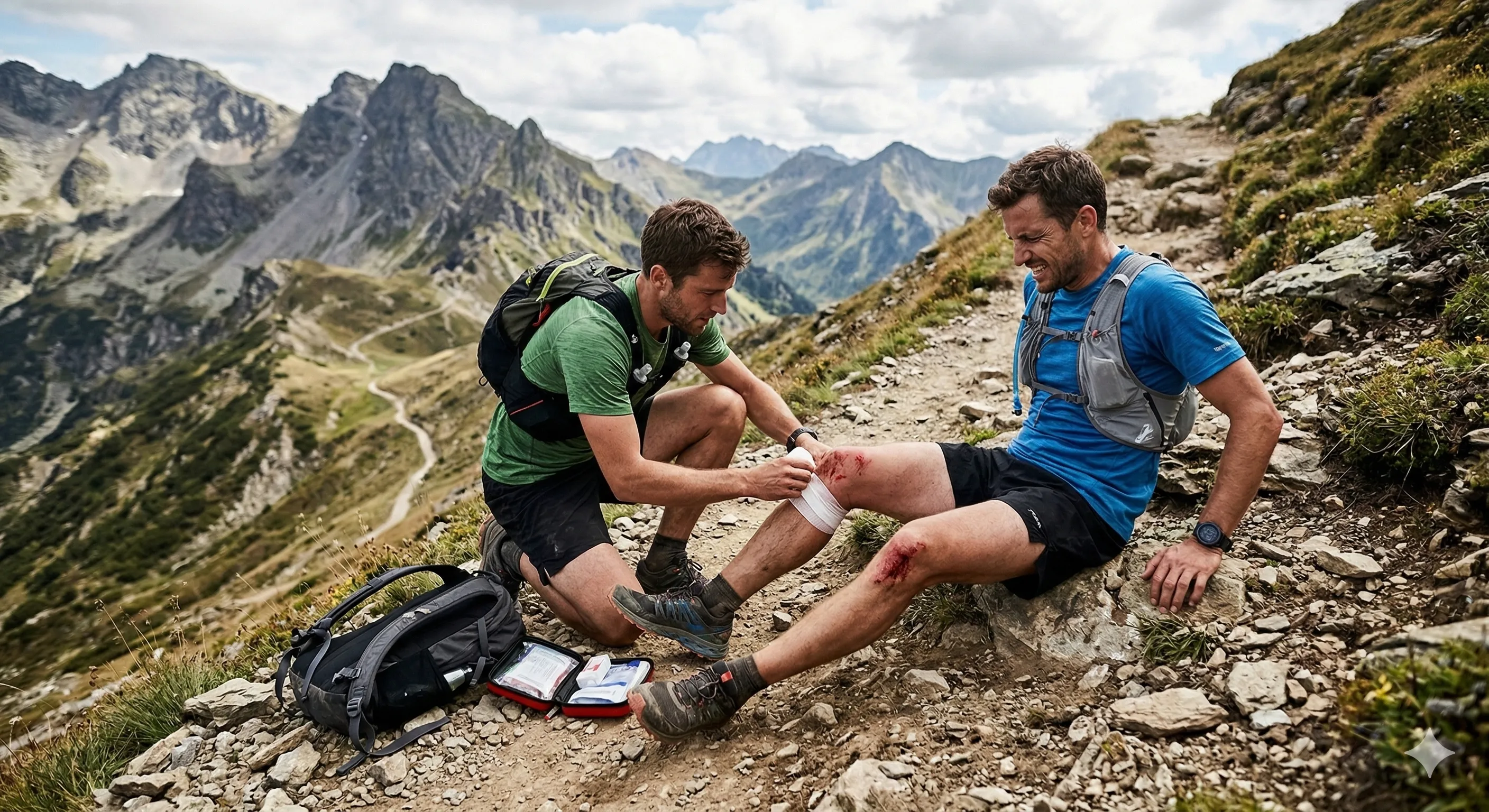
Step 1: don’t move and assess the situation
First things first: don’t jump straight up. Your instinct is to get on your feet immediately, but if you have an ankle, knee or wrist injury, moving it without assessment can make it worse.
- Stay still for 10 seconds. Take a deep breath. Check that you haven’t hit your head.
- Do a quick top-to-bottom check: head, neck, shoulders, arms, hands, ribs, hips, knees, ankles. Move each joint slowly.
- Look for blood. Head and hand wounds bleed heavily but are often superficial. If there’s significant bleeding, apply pressure with whatever you have (buff, shirt, bandage from your first aid kit).
- Test if you can bear weight. Try standing up carefully. If the pain is intense in a joint, don’t force it.
If you can walk
Clean the wound with water from your bottle, cover it with whatever you have in your first aid kit, and decide whether you can finish the route or need to cut it short. A mild sprain can get much worse with another 20 km of technical downhill.
If you can’t walk
This changes everything. Move to the emergency protocol (next section). Your priority now is don’t move unnecessarily, protect yourself from the cold and call for help.
Emergency protocol when you can’t move
If the fall has left you immobilised, follow these steps:
1. Protect yourself from the cold immediately
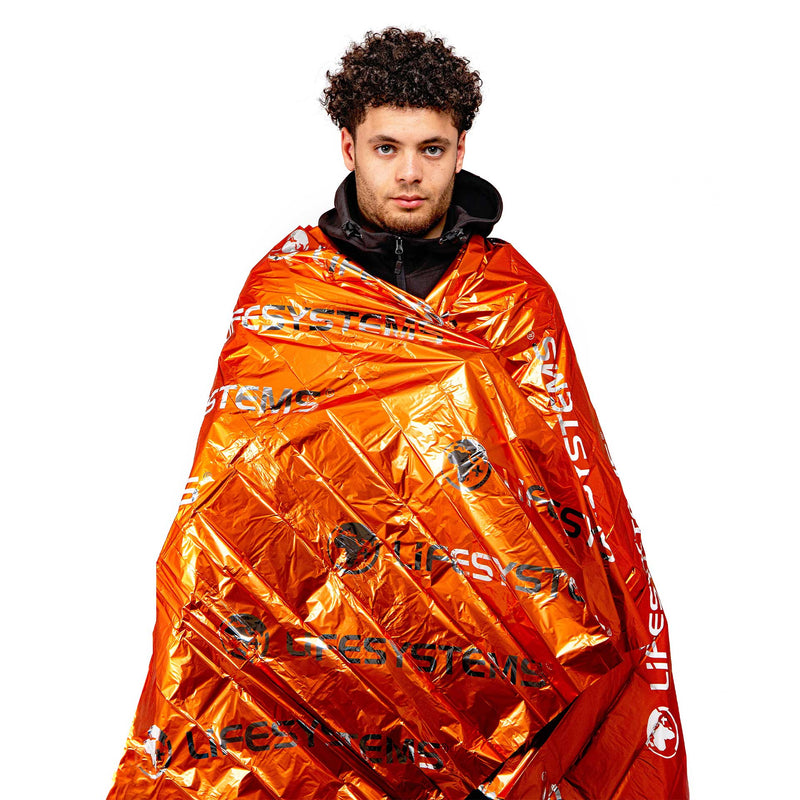
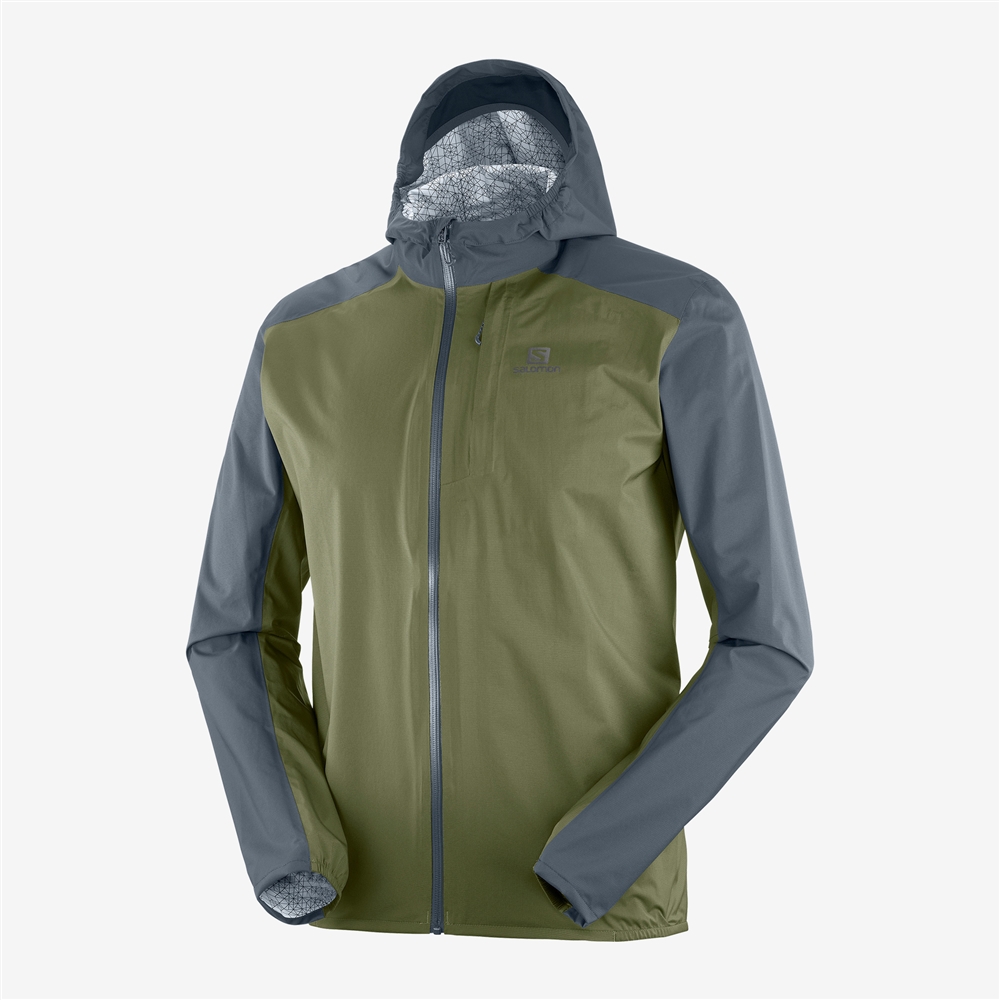
Hypothermia is the silent enemy. When you stop moving, your body loses heat rapidly, especially if you’re sweating. Put the emergency blanket over you, your windbreaker and everything else you have. If you’re carrying a buff, cover your head and neck.
2. Call emergency services
In Spain, 112 works nationwide, even without your carrier’s coverage (it uses any available network). In other countries, use the local emergency number (911 in the US, 999 in the UK, 144 in Switzerland). Provide:
- Your exact location: open the maps app on your phone and give GPS coordinates (latitude and longitude). If you don’t know how, describe the last recognisable point you passed.
- What happened: “I’ve fallen while trail running, I can’t walk, I suspect a fracture/sprain of…”
- How many people are with you and each person’s condition.
- What you’re carrying: warm clothing, water, food, phone battery level.
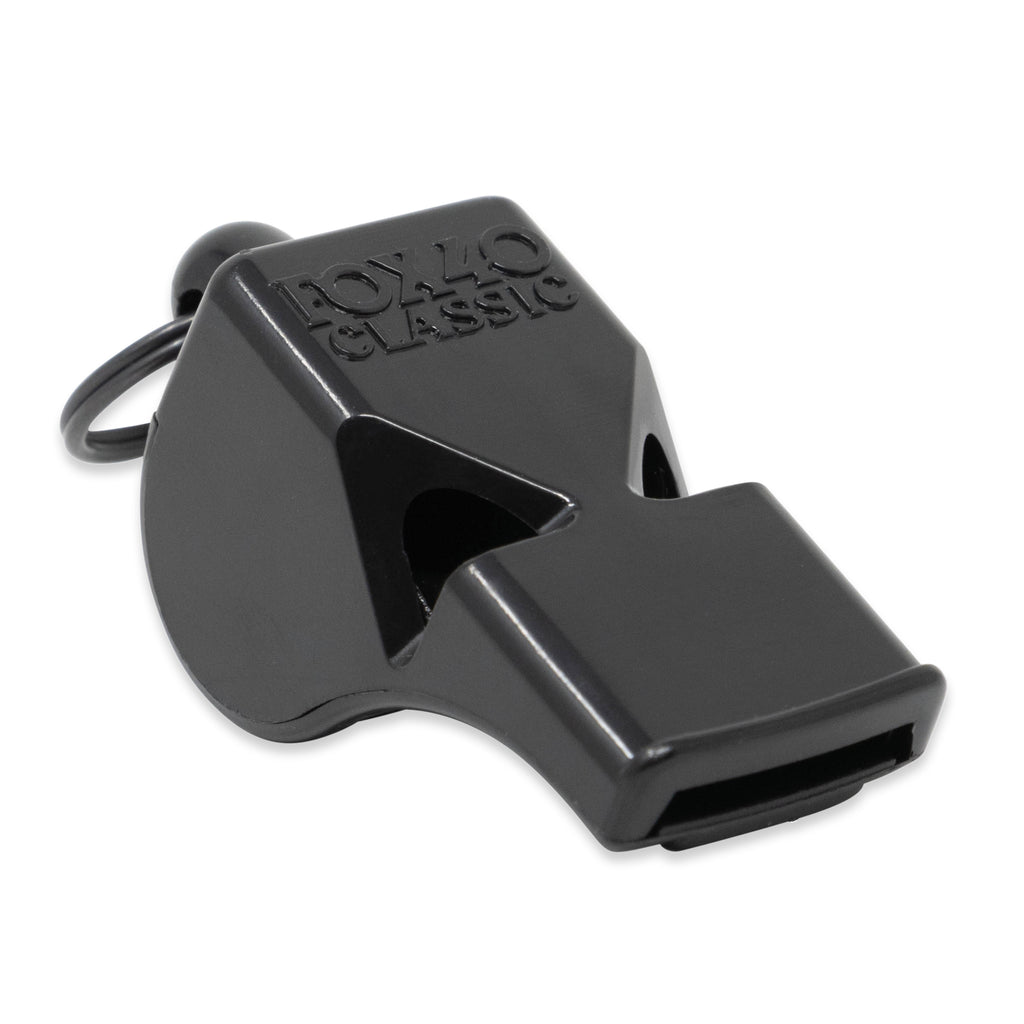
If you have no signal, use your whistle: three short blasts, one-minute pause, three blasts. This is the international distress signal.
3. Save your phone battery
After calling emergency services, put your phone in airplane mode if you don’t need to keep the call active. Only turn GPS on when you need to provide an updated position. A phone at 20% can last hours in airplane mode.
Always carry a charged phone: your lifeline on the trail
It seems obvious, but this is the number one reason a minor fall becomes a real emergency. Always leave home with your phone at 100% and consider carrying a small power bank (100-200 g).
Tips to maximise battery life on the mountain:
- Turn off Bluetooth and WiFi before heading out. You don’t need them on the trail and they drain battery searching for signals.
- Airplane mode in dead zones: when your phone constantly searches for signal in areas without coverage, it burns through battery fast.
- Brightness to minimum.
- Skip Strava or GPS apps if you know the route well. If you need navigation, download the offline map before leaving.
- Keep your phone close to your body, not in the outer pocket of your pack. Cold reduces battery performance by up to 30%.
Don’t run alone in the mountains: real risks
Solo running has its appeal, but the risks are objective:
- If you fall and lose consciousness, no one calls for help.
- A serious sprain in a canyon without signal can leave you waiting hours for rescue.
- Hypothermia advances much faster when there’s no one to cover you, give you warm water or help you move.
If you’re going to run solo:
- Always tell someone: exact route, departure time and estimated return time. If you don’t check in by the agreed time, that person should call emergency services.
- Share your live location: apps like Strava Beacon, Garmin LiveTrack or simply sharing your location via WhatsApp.
- Carry a whistle: sound travels further than your voice, especially in wind.
- Avoid very isolated areas when solo: exposed ridges, deep canyons, areas with known dead zones.
Always tell someone where you’re running
This habit saves lives and takes 30 seconds. Before every mountain run:
- Send a message with the route, estimated distance and expected return time.
- Even better with a map or track: send a screenshot of the GPX track you’ll be following.
- Agree on a protocol: “If I haven’t messaged by 2 PM, call emergency services and tell them I’m in the Sierra de Guadarrama, route X”.
No need to be dramatic. A simple “Going for a run in Collserola, back around noon” is enough. The important thing is that someone knows where to look for you.
Mountain insurance: why it’s essential
What mountain insurance covers
A specific mountain insurance policy (not your regular health insurance) covers:
- Helicopter rescue: a helicopter rescue in Spain can cost between 3,000 and 15,000 EUR. Insurance covers it.
- Ground evacuation: rescue teams, stretchers, transport to hospital.
- Medical expenses from the accident: surgery, rehabilitation, hospitalisation.
- Civil liability: if you cause damage to others during the activity.
- Repatriation: if you’re running outside your region or abroad.
What happens if you DON’T have insurance
- The rescue still happens (in Spain, emergency services won’t leave you stranded), but you get the bill afterwards. Regions like Aragón, Navarra, Cantabria and Asturias have regulations that allow billing rescues under certain circumstances.
- Race disqualification: many trail races require federation insurance or day insurance as a mandatory requirement. Without it, you don’t race.
- No rehabilitation coverage: a ligament tear can require months of physiotherapy. Mountain insurance covers what public healthcare doesn’t.
Insurance options
- Federation licence (RFEA/FEDME): includes accident insurance and civil liability. Costs between 30 and 80 EUR/year depending on the regional federation. The most complete option if you race regularly.
- Day insurance: some races offer it for 5-15 EUR. Covers only that event.
- Private insurance: companies like Mapfre, RACC or Europ Assistance offer annual mountain-specific policies from 40 EUR/year.
Tip: always check that your insurance explicitly covers trail running. Some mountain insurance policies exclude “sports competitions” or “timed activities”.
Warm clothing: the insurance that weighs 300 grams
When you fall and stop moving, you go from generating heat to losing it. Emergency warm clothing is non-negotiable:
What to always carry, rain or shine
| Garment | Weight | Purpose | When it’s critical |
|---|---|---|---|
| Windbreaker | 150-200 g | Cuts wind, first insulation layer | Always |
| Emergency blanket | 60 g | Retains 90% of body heat | Forced stop |
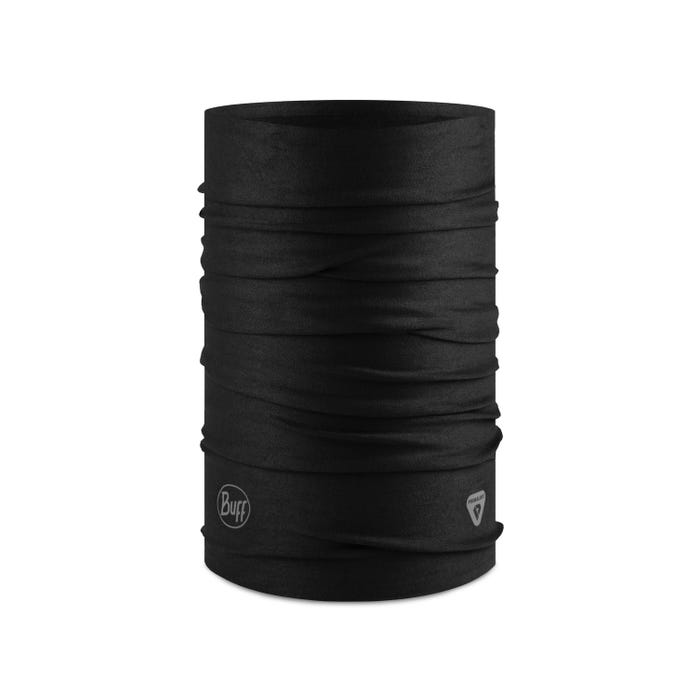
| Buff or neck gaiter | 30-50 g | Protects head and neck (greatest heat loss) | Always at altitude |
| Long-sleeve thermal | 120 g | Base layer if temperature drops | Runs over 2 h in mountains |
The windbreaker is your most versatile garment: it protects from wind, light rain and retains heat. Carry it always, even in summer if you’re going above 1,500 m. Mountain weather changes in minutes.
If it’s raining or cold: extra layer
- Waterproof jacket with hood and sealed seams if rain is forecast.
- Light gloves: cold hands lose dexterity. You won’t be able to open your pack or use your phone if your fingers are numb.
- Long tights if the temperature drops below 5 °C or you’ll be out for more than 3 hours in winter.
Emergency food and hydration
A fall that leaves you immobilised for 2-3 hours waiting for rescue means you need reserves. Always head out with more food and water than you think you’ll need.
Water
- At least 500 ml extra above what you plan to drink. In summer, 1 litre extra.
- If you run out of water and there’s a stream, drink. The risk of severe dehydration is worse than possible gastroenteritis that can be treated later.
Emergency food
Always carry an extra 300-500 kcal that aren’t part of your nutrition plan. Ideas:
- Energy bars: compact, no preparation needed.
- Gels: quick energy if you start feeling weak.
- Nuts or dates: sustained energy, handle heat and cold well.
- Salt: if you’ve been sweating for hours, a pinch of salt with water prevents hyponatraemia.
This reserve is your nutritional insurance policy. Don’t touch it except in emergencies.
Weather: how it affects you after a fall
Weather multiplies the severity of any incident. What at 20 °C and sunshine is just a scare, at 5 °C and wind can become hypothermia in 30 minutes.
Before heading out
- Check the forecast specific to the area and altitude. Town weather is not the same as weather at 2,000 m.
- Check the hourly forecast, not just the daily summary. A clear afternoon can start with a storm at midday.
- Danger indicators: wind >40 km/h, storm probability >50%, wind chill below 0 °C, fog at your altitude.
Post-fall risk situations
- Strong wind + immobility: wind chill drops 10 °C or more. The windbreaker and emergency blanket are essential.
- Rain + sweat: the most dangerous combination. Wet clothing conducts heat 25 times faster than dry clothing. Change your shirt if you have a spare, or put the waterproof jacket directly against your skin.
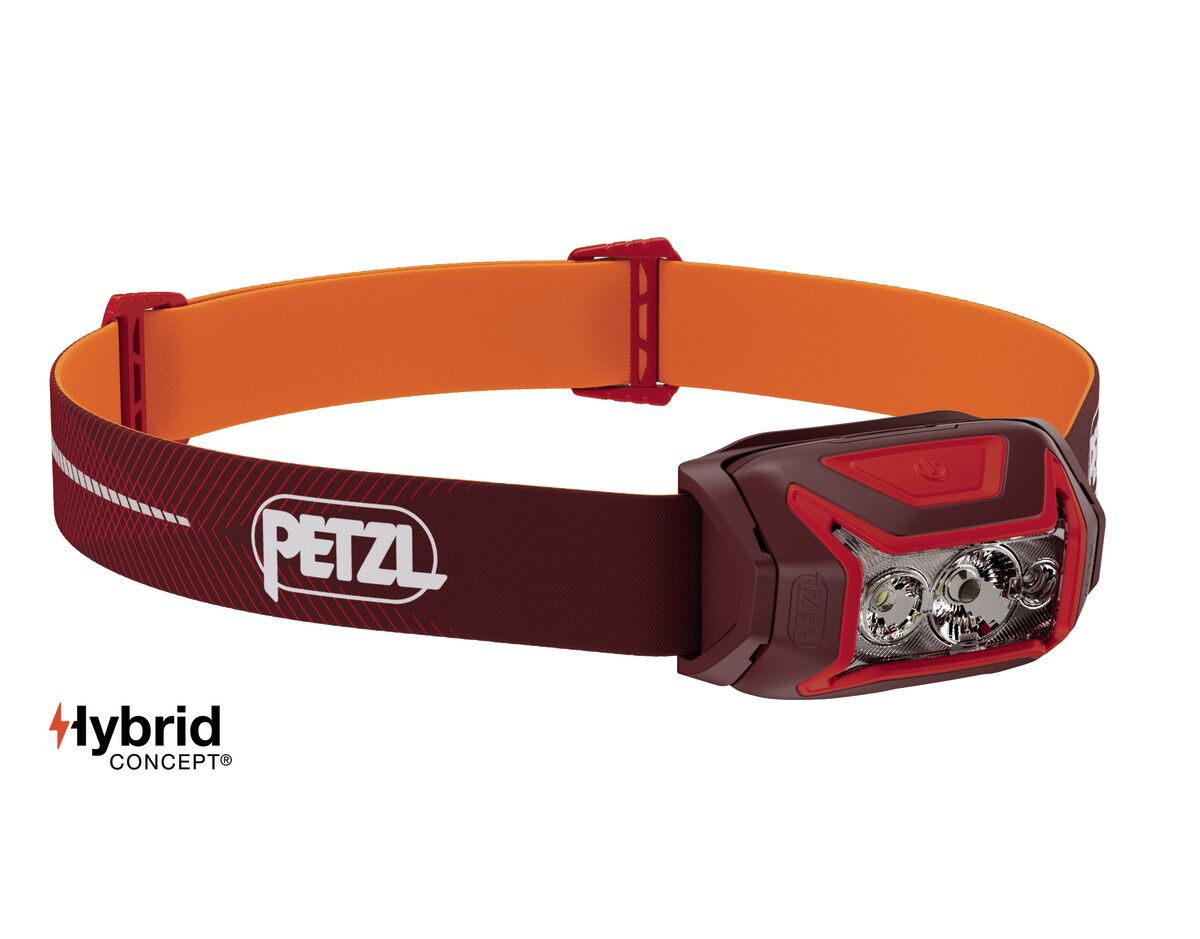
- Night + cold: if darkness falls, you need a headlamp (to signal your position to rescuers) and all the clothing you’re carrying.
Emergency kit: what to always carry in your pack
This is the non-negotiable minimum for any mountain run, whether 10 km or 50 km:
| Item | Weight | Cost | Purpose |
|---|---|---|---|
| Phone charged to 100% | - | - | Call emergency services, GPS, torch |
| Windbreaker | 150-200 g | 110 EUR | Thermal insulation, light rain |
| Emergency blanket | 60 g | 9 EUR | Hypothermia, signalling (reflection) |
| Whistle | 10 g | 12 EUR | Distress signal over distance |
| Basic first aid kit | 120 g | 15 EUR | Wounds, bandaging, tape |
| Extra water (500 ml) | 500 g | - | Reserve hydration |
| Extra food (300 kcal) | 80-100 g | - | Emergency energy |
| TOTAL | ~950 g | ~146 EUR | Your lifeline |

Less than a kilogram and less than 150 EUR. That’s the weight and cost of being prepared for a fall on the mountain. Compare that with an 8,000 EUR helicopter rescue or hypothermia that could have been prevented with a 9 EUR blanket.
Prevention: how to reduce the risk of falling
Falls can’t be eliminated 100%, but they can be significantly reduced:
Downhill technique
- Short, quick steps on technical descents. Long strides destabilise you.
- Low centre of gravity: bend your knees, lean your torso slightly forward.
- Look 2-3 metres ahead, not at your feet. Your brain needs time to process the terrain.
- Poles: reduce knee impact by 25% and add two extra contact points. Highly recommended on long, technical descents.
Risk factors
- Fatigue: 70% of falls occur in the second half of a race or training run. When you’re tired, you lift your feet less and react more slowly.
- Wet terrain: damp rock, wet leaves, mud. Reduce your speed by 20-30%.
- Night: without full visibility, the risk multiplies. A powerful headlamp (>200 lumens) is essential.
- Dehydration: reduces concentration and reflexes. Drink before you feel thirsty.
Summary: safety checklist before every run
Before lacing up your shoes and heading to the mountains, go through this list:
- ✅ Phone charged to 100%
- ✅ Someone knows where you’re going and when you’ll be back
- ✅ Windbreaker in your pack
- ✅ Emergency blanket (new)
- ✅ Whistle within reach
- ✅ Basic first aid kit
- ✅ Extra water and food
- ✅ Mountain insurance active
- ✅ Weather forecast checked
A fall on the mountain doesn’t have to become an emergency. With preparation, calm and the minimum kit, you can handle any situation. What you can’t do is handle an emergency without gear, without battery and without anyone knowing where you are.
For a deeper dive into mandatory safety gear for races, check our complete guide to mandatory gear for ultra trail. And if you’re planning your next race, take a look at the best trail running races in Spain to find one suited to your level.