Post-race recovery in trail running: complete guide from the finish line to training again
The day after crossing the finish line
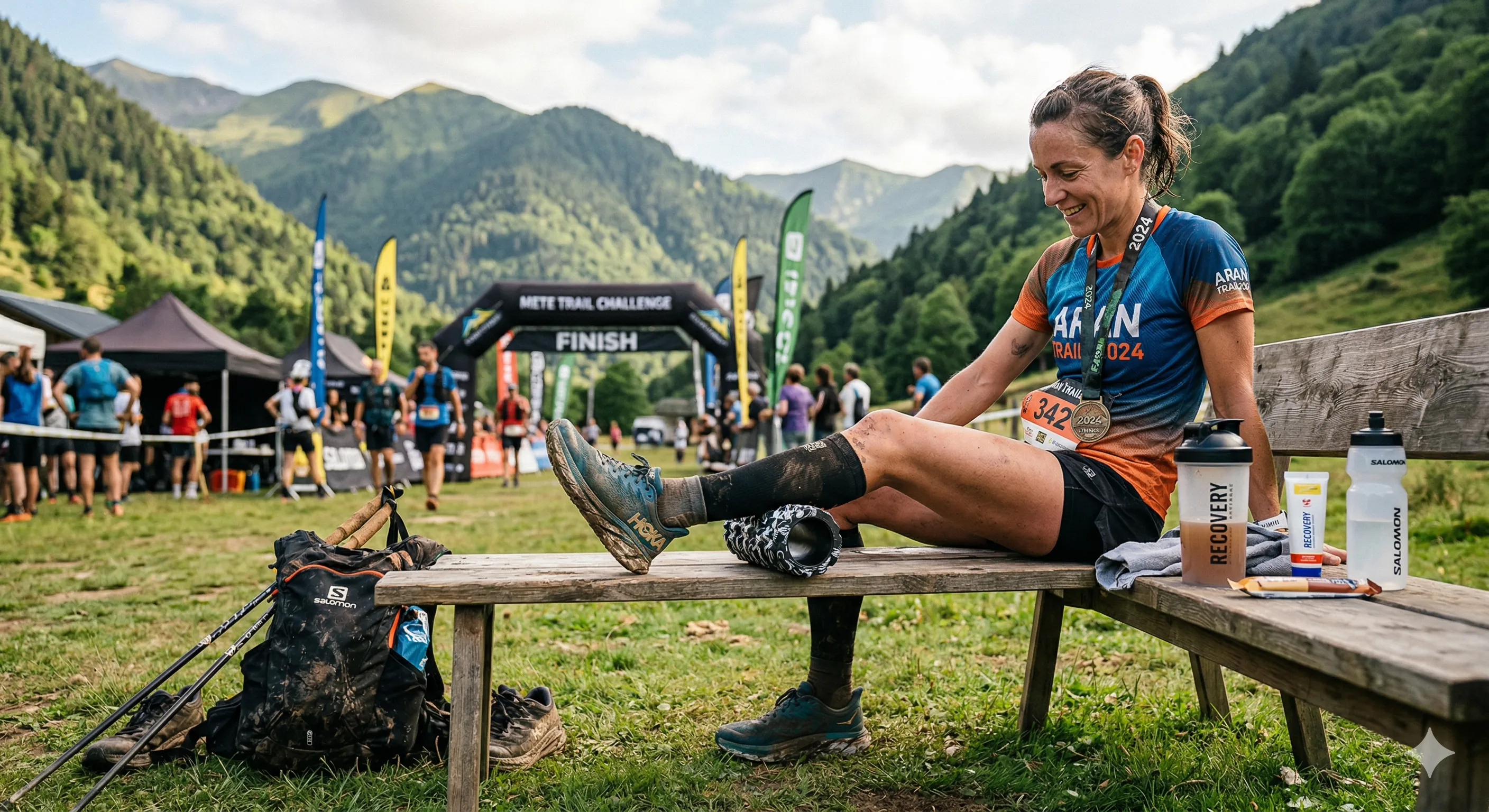
Medal around your neck, beer in hand, group photo with your crew. You just finished your trail race and you feel invincible. But what you do in the next 72 hours will determine whether you’re back running in two weeks or dragging niggles around for months.
Most trail runners train for weeks to prepare for a race and then wing the recovery. They collapse on the sofa, pop ibuprofen like sweets and head out for a run on day three because “I feel fine now”. Mistake. Recovery isn’t the downtime between races: it’s the final phase of training, and it has a protocol.
This guide covers everything you need to do — hour by hour, day by day — from the moment you cross the finish line until you lace up your shoes again with confidence. With products that actually work and the science behind each recommendation.
Recovery timeline: hour by hour
Recovery isn’t linear or identical for everyone, but it follows a predictable pattern. Your body goes through clear phases: the immediate metabolic window, the inflammatory peak at 24-48 hours, tissue repair during the first week, and full adaptation that can take weeks depending on the distance.
Let’s go phase by phase.
The first 30 minutes: the metabolic window
You’ve just crossed the finish line. Your instinct says sit down. Don’t. Walk gently for 10-15 minutes. Your muscles are full of waste metabolites (lactate, ammonia, free radicals) and gentle movement helps your circulatory system start the clean-up. Sitting down abruptly is like turning off the water pump while the fire is still burning.
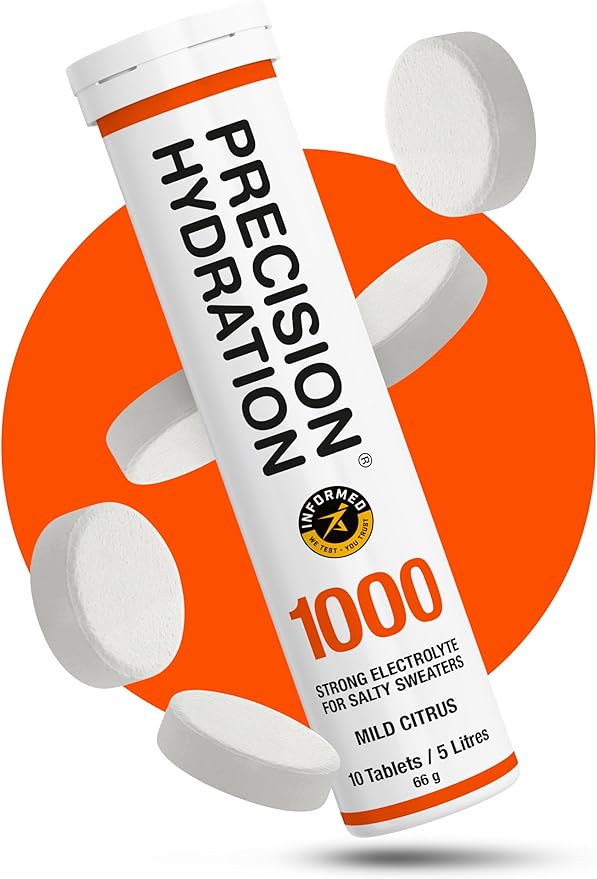
Immediate rehydration. You’ve lost between 2% and 5% of your body weight in fluid. Every kilogram lost equals a litre of water your body needs to recover. But don’t just drink water: without electrolytes, you dilute blood sodium and urinate more than you retain. High-sodium electrolyte tablets (>1000 mg/L) are the most efficient option.
First solid food. The metabolic window in the first 30-60 minutes is real: your muscles are especially receptive to absorbing glycogen. A 3:1 or 4:1 ratio (carbohydrates:protein) is optimal. It can be as simple as a banana with a handful of nuts, or a sandwich.
Treat the urgent stuff. If you have blisters, chafing or foot wounds, treat them before your shower. Dressings won’t stick on wet skin and wounds get complicated. Clean, dry, apply dressing, then shower.

The first 2-6 hours: recovery nutrition
The most common mistake in this phase is thinking “I ate something at the finish line, that’s enough”. It’s not. Your body has a serious metabolic debt and the first 4-6 hours are key to starting to pay it off.
Glycogen. Your muscle glycogen stores are at rock bottom. To reload them you need to ingest 1.0-1.2g of carbohydrates per kg of body weight per hour during the first 4 hours. For a 70 kg runner, that’s 70-84g of carbohydrates per hour. A good plate of pasta, rice or potatoes with some protein is perfect.
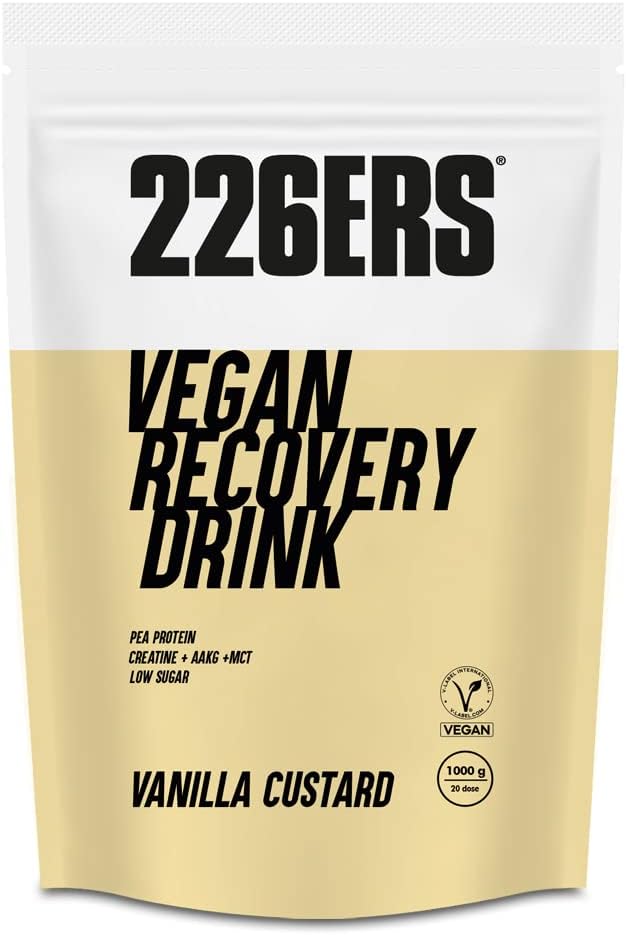
Protein. Your muscle fibres are literally torn (microtears from eccentric impact, especially on the descents). You need 20-30g of quality protein in the first 2 hours to kickstart repair. Whey protein is the fastest to absorb, and a recovery shake with an optimised carb-to-protein ratio is the most practical option when your stomach won’t tolerate solid food.
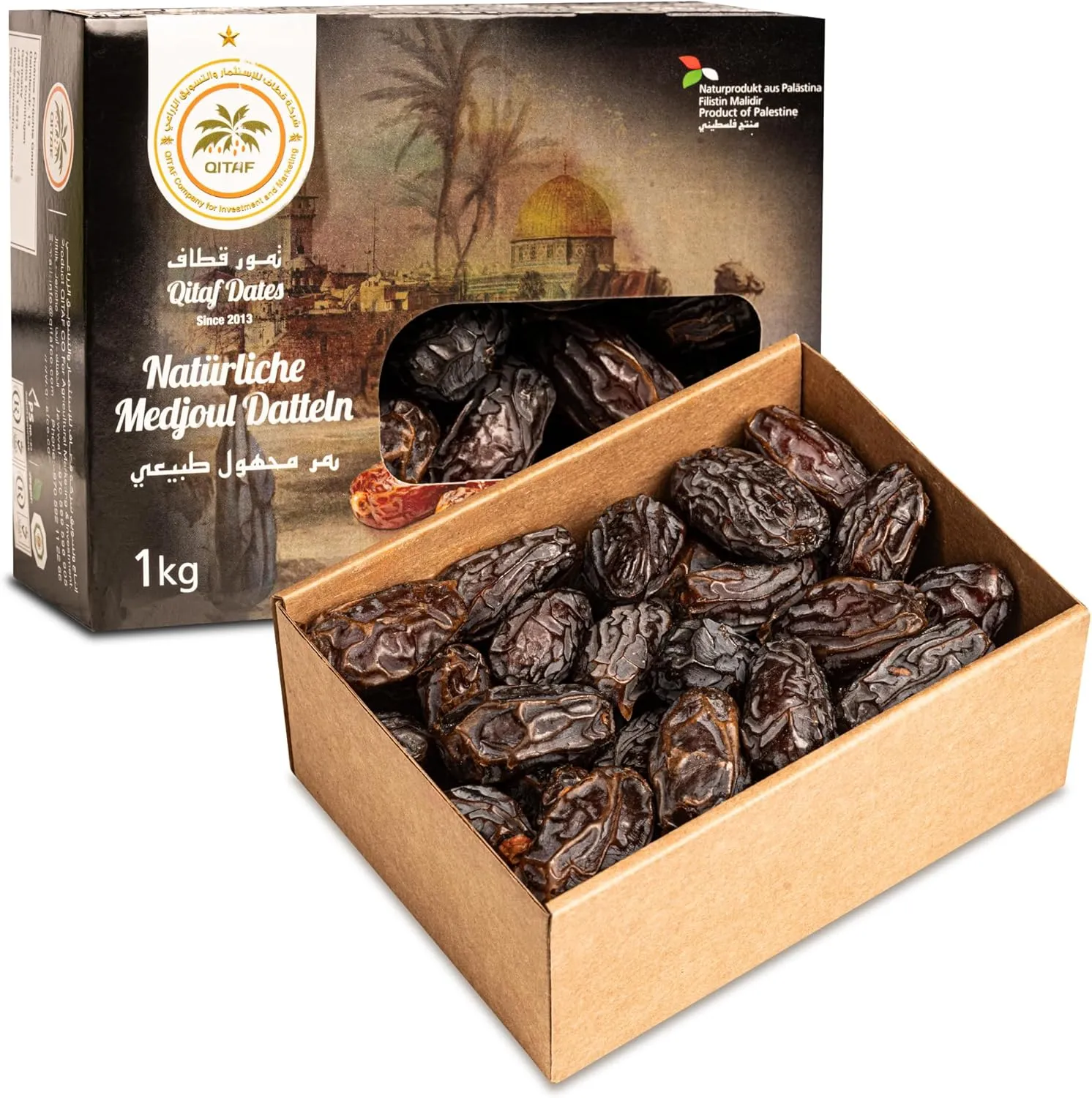
Natural foods that work. Not everything has to be supplementation. Medjool dates are a natural carbohydrate bomb (18g per date) with potassium and magnesium, perfect for snacking between meals during the post-race hours. If you want to explore natural alternatives further, we have a complete guide to gel alternatives.
Continued rehydration. The goal is to replace 150% of lost fluid in the first 6 hours. Why 150% and not 100%? Because some is lost through urine. Keep alternating water with isotonic drink.

The ibuprofen trap. Many runners pop an ibuprofen as soon as they finish. Bad idea. Non-steroidal anti-inflammatory drugs (NSAIDs) inhibit prostaglandin synthesis, which are precisely the molecules your body needs to repair damaged muscle tissue. Post-race inflammation isn’t the enemy: it’s the repair mechanism. Blocking it is like firing the firefighters while the building is still burning. Studies show that post-exercise NSAID use delays muscle regeneration and can increase the risk of kidney damage if you’re dehydrated.
The first 24-48 hours: peak inflammation
Welcome to DOMS (Delayed Onset Muscle Soreness), the real deal. Not the day-one aches, but the ones that arrive at 24-48 hours and make going down stairs an adventure. DOMS is the manifestation of muscle microtears and your body’s inflammatory response to repair them.
Gentle movement. The worst thing you can do is stay motionless on the sofa for 48 hours. Active recovery — walking 15-20 minutes, easy swimming, stationary bike with no resistance — improves blood flow without adding mechanical stress to damaged muscles. Don’t run. Just move.
Compression. Recovery-specific graduated compression socks (not competition ones, which are lighter) apply mechanical pressure that reduces oedema and improves venous return. Evidence shows they reduce perceived soreness and accelerate functional recovery. You can even wear them to sleep for the first few nights.

Thermal contrast. Alternating 2 minutes of cold water with 2 minutes of hot water at the end of your shower (3-4 cycles) creates a “pumping” effect that helps move inflammatory fluid out of the muscles. You don’t need an ice bath: the shower is enough.
Avoid alcohol. I know, the post-race beer is tradition. But alcohol in the first 24 hours dehydrates, interferes with muscle protein synthesis and worsens sleep quality. One beer at the finish line won’t ruin anything. Three beers followed by wine at dinner will.
Pressotherapy: pneumatic compression boots
If you’ve been through the finish area of an ultra trail in recent years, you’ll have seen runners wearing enormous boots that rhythmically inflate and deflate. It’s not a gimmick: it’s pressotherapy, and science backs it up.
How it works. Pressotherapy boots have multiple air chambers (typically 4-6 per leg) that inflate sequentially from bottom to top. This intermittent pneumatic compression mimics natural venous return but amplified: it pushes blood and lymphatic fluid back towards the heart, speeding up waste metabolite elimination and reducing swelling.
When to use it. The optimal window is between 24 and 72 hours post-race, when inflammation is at its peak. Sessions of 20-30 minutes, 1-2 times per day. No more needed. Some runners also use it the night before a race to arrive with fresh legs, but the main benefit is post-effort.
Who benefits most? If you regularly run ultras of 50 km+ (3-4 races per year), the investment pays for itself. Each pressotherapy session at a clinic costs between €30-50. Quality boots, after 10-15 sessions, have already paid for themselves. For runners of shorter distances who race occasionally, compression socks and the other strategies in this guide are sufficient.
Realistic expectations. Pressotherapy isn’t magic. It doesn’t turn a 3-week recovery into 3 days. What it does is optimise what your body already knows how to do: drain, reduce inflammation and repair. The sensation of relief is immediate, but actual recovery follows its own biological timeline.

Massage gun: percussion therapy at home
Massage guns have become the star accessory for trail runners. And for good reason: they offer on-demand percussion therapy without needing a physio appointment.
How it works. The gun’s head strikes muscle tissue at high frequency (1500-3000 percussions per minute), producing several effects: breaking fascial adhesions, increasing local blood flow, reducing muscle tone (stiff, tight muscles) and stimulating skin mechanoreceptors, which decreases pain perception.
Post-race protocol. Don’t go full power on your destroyed quads. The correct protocol is:
- Wait 24-48 hours post-race. On highly inflamed muscle, percussion can worsen irritation.
- Low-medium speed. Start at the lowest level and increase if you tolerate it.
- 30-60 seconds per muscle group. More isn’t better.
- Never on bone, joints or nerves (avoid the kneecap, malleolus, spine).
- Key areas for trail runners: quads (descents destroy them), calves, glutes, IT band and hip flexors.
Gun vs manual massage. The gun doesn’t replace a physiotherapist. A good physio identifies problems you can’t feel, applies specific techniques and adapts pressure with millimetre precision. The gun is your day-to-day tool; the physio is for maintenance and prevention. They’re complementary.
Common mistake. Going too hard, too soon. If the muscle is in the acute inflammation phase (first 24-48 hours), applying intense percussion is like hitting a bruise. Wait for the acute phase to pass and start gently.

Foam roller and stretching
The foam roller is probably the recovery tool with the best value-for-money ratio out there. It costs a fraction of a massage gun and can be used anywhere.
Myofascial release. When you roll on the foam roller, you apply sustained pressure to fascial tissue (the “wrapping” that covers your muscles). This releases fascial restrictions, improves tissue elasticity and increases range of motion. Think of it as a deep self-massage.
When to start. As with the gun, wait at least 48 hours post-race. The acute inflammation phase needs its time and applying direct pressure to highly inflamed tissue is counterproductive.
Rolling protocol:
- Slow rolls. Move the roller slowly (2-3 cm per second) over the muscle group.
- Pause on trigger points. When you find a particularly sensitive spot, stop and hold pressure for 30-60 seconds until you feel it release.
- 60-90 seconds per area. Quads, hamstrings, calves, IT band, hip flexors, glutes and lower back.
- Breathe. Holding your breath while rolling is a natural reflex but increases muscle tension. Breathe deeply and let the muscle relax.
Static stretching. After 48 hours, gentle sustained stretches (20-30 seconds per position) are welcome. But avoid aggressive stretching or bouncing. A damaged muscle doesn’t recover faster if you stretch it hard; you only risk aggravating the microtears.

The physiotherapist: when and why to go
We’re not going to sell you any product here, because this is about professionals. And precisely because of that, it’s one of the most cost-effective investments you can make in your recovery.
When to go:
- Post-race maintenance (3-5 days after): even if you feel fine, a sports physio can detect imbalances, mobility restrictions and trigger points that you can’t perceive. A maintenance session after an ultra is like getting an MOT after a long road trip.
- Pain that doesn’t subside in 5-7 days. If discomfort persists beyond the normal recovery window, it’s not DOMS: there’s something else going on.
- Asymmetric recovery. If one calf has recovered but the other is still loaded, you need someone to identify why.
- Recurring injury. If the same spot gives you problems race after race, you don’t need more foam roller: you need a diagnosis.
Sports physio vs generalist. They’re not the same. A physiotherapist specialising in sport understands the biomechanics of mountain running, knows which structures suffer most on technical descents and can give you specific corrective exercises. Look for one who works with runners.
Cost-benefit. A session costs between €40-60. A poorly healed injury from saving that money can cost you weeks of missed training, race entries you can’t use and, in the worst case, a chronic injury. The maths is clear.
Sleep: the most underrated recovery tool
You can take every recovery shake in the world, use pressotherapy every night and get a daily massage. But if you don’t sleep well, your recovery will be mediocre. Sleep isn’t a complement to recovery: it’s where most of the repair happens.
Human Growth Hormone (HGH). Your body releases between 60% and 70% of daily growth hormone during deep sleep phases (slow-wave sleep). HGH is directly responsible for muscle repair, collagen synthesis (tendons, ligaments) and cell regeneration. No deep sleep, no repair.
The post-race problem. After a demanding trail it’s common to sleep terribly for the first few nights. The reasons: elevated cortisol (the stress hormone, which stays high for hours after effort), muscle pain that makes it hard to find a position, altered body temperature and, if you’re in unfamiliar accommodation (mountain refuge, hotel near the race), the “first night” effect in a new environment.
Target: 8-9 hours for the first 3-5 nights. More than your usual average. Your body needs more deep sleep and more REM cycles to complete repair. If you normally sleep 7 hours, aim for 8.5-9 on post-race nights.
Post-race sleep hygiene:
- Dark room. Melatonin (the sleep hormone) is released in total darkness. If you’re in a refuge, hostel or room with poor blinds, a quality sleep mask makes all the difference.
- Cool temperature. 18-20°C is the optimal range. Your body needs to lower its core temperature to enter deep sleep.
- No screens 1 hour before bed. Blue light from phones and tablets suppresses melatonin. Read a book, listen to a podcast or simply do nothing.
- Silence. If you’re sleeping somewhere noisy (refuge with snorers, hotel next to a road), good ear plugs are essential.


Naps. If you can, a 20-30 minute nap in the early afternoon is pure gold for recovery. No longer than 30 minutes: longer naps enter deep sleep phases and cause sleep inertia (groggy waking) and can make it harder to sleep at night.
Supplements for better sleep and muscle recovery
Magnesium bisglycinate. This is the supplement with the most evidence behind it for mountain runners. Magnesium is involved in over 300 enzymatic reactions, including muscle contraction and relaxation, protein synthesis and sleep regulation. After a long trail, your magnesium levels are depleted (lost through sweat). Taking 300-400mg of magnesium bisglycinate before bed helps on two fronts: muscle relaxation (reduces cramps and nocturnal spasms) and sleep quality (magnesium enhances GABA activity, the inhibitory neurotransmitter that calms the nervous system).
Why bisglycinate and not another form? Because the chelated form (bonded to the amino acid glycine) has higher bioavailability and doesn’t cause digestive issues, unlike magnesium oxide, which is the cheap form from pharmacies that many runners take without knowing they absorb less than 4%.

Tart cherry juice. Special mention. It’s a natural source of melatonin and anthocyanins (powerful anti-inflammatories). Several studies show it improves sleep quality and reduces markers of muscle damage in endurance athletes. We don’t have a specific product, but you can find it in health food shops. 30ml of concentrate diluted in water before bed.
What to avoid. Synthetic melatonin long-term: it builds tolerance, your body reduces its own production and you end up dependent. It can be useful for a couple of post-race nights (0.5-1mg, no more), but not as a habit. And, again, alcohol: it’s a sedative that induces sleep but destroys deep sleep and REM architecture.
How to know you’re recovered: objective markers
“I feel fine” isn’t a reliable marker. At 3-4 days post-race your body no longer hurts and your motivation says “let’s go”. But structural repair (muscle fibres, connective tissue, immune system) is still underway beneath the surface. Coming back too soon is the perfect recipe for injury.
Resting heart rate. Measure it every morning when you wake up (before getting up, lying down, 1 minute). After a demanding trail, your resting HR rises 5-15 beats. When it returns to your personal baseline (30-day pre-race average), your cardiovascular system has recovered.
Heart rate variability (HRV). If you use a watch with HRV (Garmin, COROS, Polar, Apple Watch), it’s the most sensitive indicator of autonomic nervous system recovery. Wait until your HRV returns to your normal range before adding intensity.
Muscle soreness scale. Self-assess from 0 to 10 when you get up. 0 = no pain. 10 = can’t go down stairs. To return to easy running, you should be below 2. For intensity (intervals, hills, technical running), below 1.
Sleep quality. If you’re still sleeping poorly, with frequent awakenings or no sensation of rest, your body is still repairing. Sleep normalises as recovery progresses.
Motivation. Don’t underestimate it. If you can’t be bothered to go for a run and the idea of lacing up your shoes doesn’t excite you, your body is telling you something. Post-race mental fatigue is real and needs to recover just like the muscles.
Guideline recovery times by distance
| Distance | Minimum recovery | Return to intensity |
|---|---|---|
| Trail 10-20 km | 3-5 days | 7-10 days |
| Trail marathon (42 km) | 7-14 days | 3-4 weeks |
| Ultra 50-80 km | 14-28 days | 4-6 weeks |
| Ultra 100 km+ | 21-42 days | 6-8 weeks |
These times are guidelines. An experienced runner with a solid aerobic base recovers faster than a beginner. But the golden rule is the same for everyone: listen to the markers, not the ego.
Common recovery mistakes
1. Running too soon. The “I feel fine” trap on day 3. Muscle soreness has dropped, motivation is high, you go for a run and feel great for the first 20 minutes. Next day, pain again. You’ve reset the recovery clock.
2. Ibuprofen after every race. We’ve already explained this, but it’s worth repeating: NSAIDs inhibit muscle repair. Use them only if pain prevents you from sleeping, and as a last resort, not as a protocol.
3. Complete rest. Lying on the sofa for 5 days straight is worse than gentle active recovery. Movement maintains blood flow, prevents joint stiffness and aids lymphatic drainage. Don’t run, but move.
4. Ignoring nutrition. “The race is over, I don’t need to eat well anymore.” Your body is rebuilding tissue for 1-2 weeks. It needs protein, quality carbohydrates, healthy fats, vitamins and minerals. It’s not the time for a restrictive diet.
5. Skipping the physio. If you have a niggle that doesn’t subside in 5-7 days, it’s not going to disappear by giving it another week. The sooner you identify the problem, the less time off.
Your recovery plan: summary
| Timing | Key action | Recommended product |
|---|---|---|
| 0-30 min | Walk, electrolytes, treat wounds | Precision Hydration PH 1500, Compeed |
| 2-6 h | Recovery shake, carbohydrates, rehydration | 226ERS Recovery Drink, dates |
| 24-48 h | Gentle movement, compression, thermal contrast | Compressport Full Socks Recovery |
| 48-72 h | Pressotherapy, start gentle foam rolling | Compex Ayre, TriggerPoint GRID |
| 3-5 days | Sports physio if any niggles | — |
| 1-2 weeks | Massage gun, prioritise sleep | Theragun Mini, sleep mask, magnesium |
| 2-6 weeks | Progressive return to training | — |
Recovery isn’t sexy. There are no medals, no epic photos, no applause at the finish line. But it’s what separates runners who string together entire injury-free seasons from those who bounce between the physio and the sofa and the sofa and the start line.
Invest in your recovery like you invest in your shoes. Your body will pay you back with interest.
If you’re planning your next race, check out our best trail races in Spain or see how much it costs to run an ultra to budget for recovery products too. And to kit yourself out from head to toe, every race on TrailRunTemple includes a Pack 360 with everything you need, including body care products and nutrition.