Natural alternatives to energy gels for trail running
The problem with energy gels
Gels work. Nobody is questioning that. But after a few ultras, many runners start looking for alternatives for very specific reasons:
- GI distress: the concentration of simple sugars in liquid form causes nausea, bloating or diarrhoea in a high percentage of runners, especially beyond kilometre 50.
- Flavour fatigue: taking 15-20 gels during a 100 km race gets old. Your palate saturates on the same artificial sweet flavour and your body starts rejecting them.
- Cost: a branded gel costs between €1.50 and €3. During an ultra with one gel every 30-45 minutes, the bill adds up quickly.
- Waste: each gel is a plastic wrapper. Over long races you generate a considerable amount of rubbish.
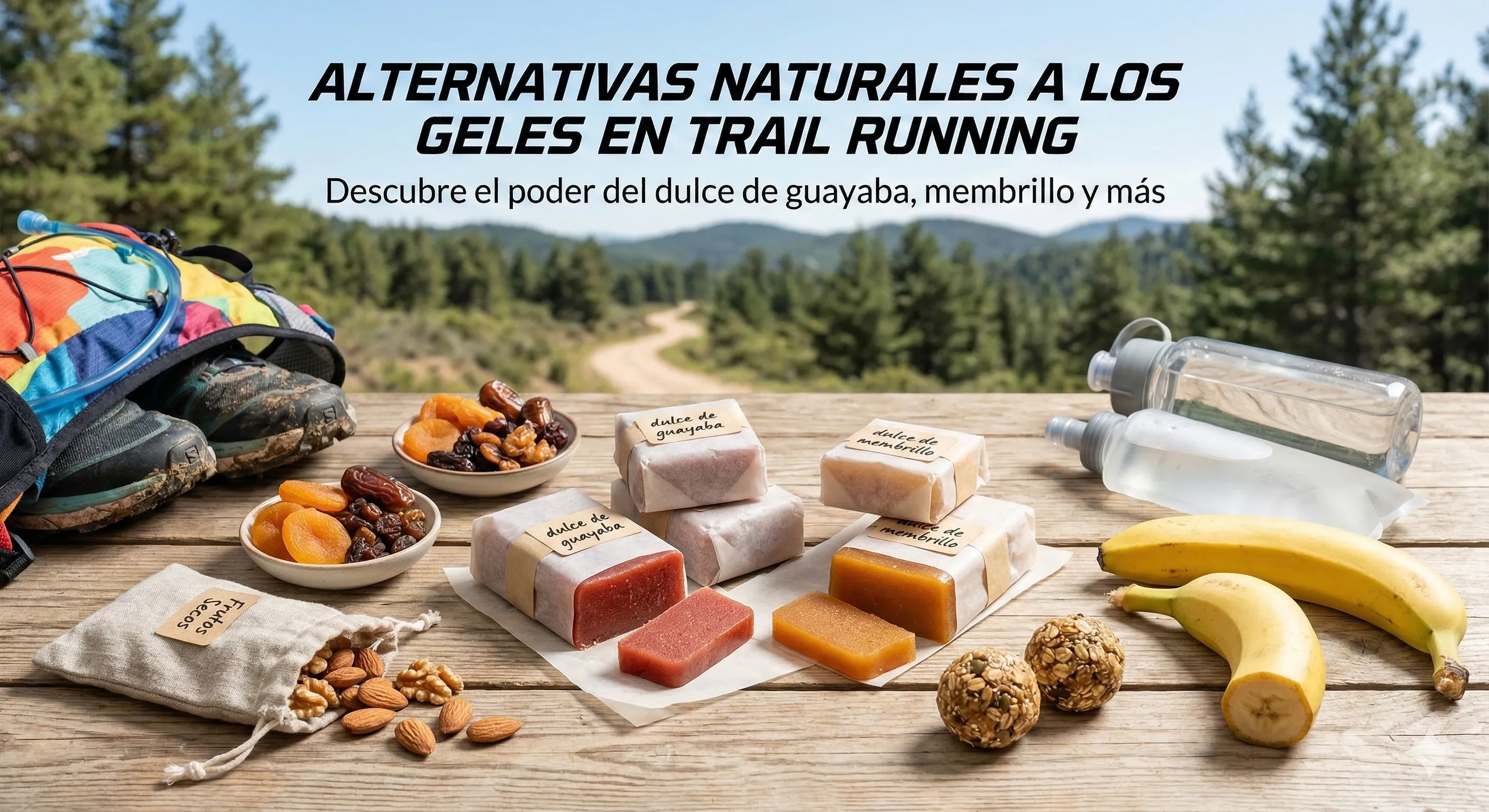
The good news is that gels are not the only way to get carbohydrates during a race. Runners have been using real food for decades and there are natural options that meet the same requirements: quick energy, easy to carry, easy to eat on the move.
What you need from a food you carry in a race
Before reviewing the alternatives, it helps to be clear on the criteria. Not every “natural” food is practical for running:
- Carbohydrate density: you need at least 30-60 g of carbohydrates per hour during efforts longer than 90 minutes. The food must deliver enough carbs in a compact format.
- Ease of opening: if you need scissors or two hands to open it, it does not work. You need to be able to open it with your teeth or a sweaty hand.
- Heat and pressure resistance: whatever you carry in your vest pocket will endure 30 °C and constant impact. If it melts, crushes or falls apart, it is not viable.
- Gastric tolerance: foods high in fibre or fat slow digestion and can cause discomfort at race pace.
- Flavour that does not tire you: over long efforts, variety is key. Being able to alternate sweet and savoury helps you keep eating when your body no longer wants to.
Guava bars: the alternative gaining ground
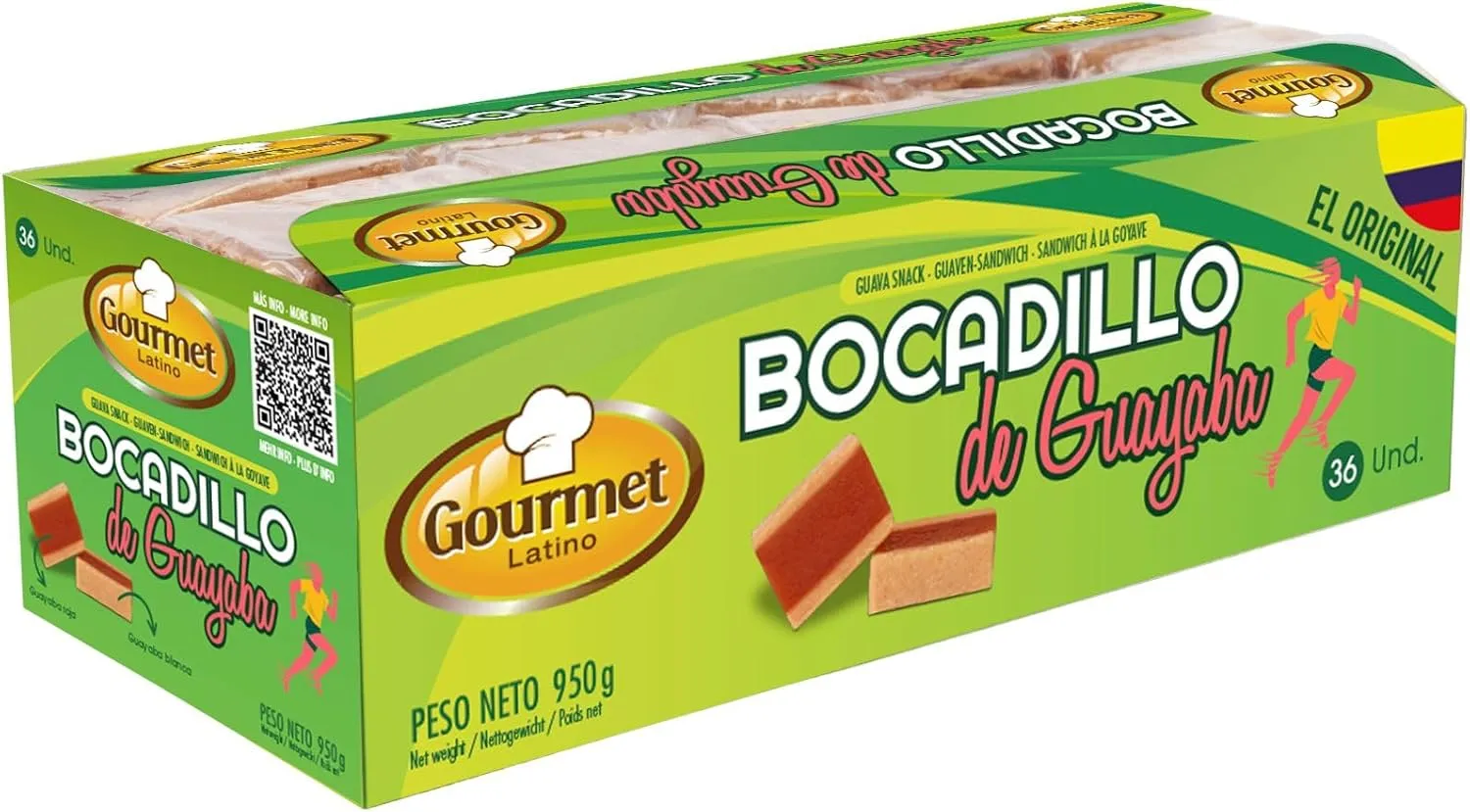
The bocadillo de guayaba is a traditional Colombian sweet made from guava pulp and sugar. It has been the go-to pocket snack in Latin America for decades and is now appearing in the packs of trail runners in Spain and across Europe.
Why it works in a race
- Fast-absorbing carbohydrates: each 26 g unit delivers simple sugars (fructose + sucrose) that reach your bloodstream within minutes.
- Solid format that holds its shape: unlike a banana or a bar that gets crushed, the guava bar keeps its form in your vest pocket at any temperature.
- Easy-open individual wrapper: it comes in cellophane paper you can pull open with one hand. No sealed sachets that resist wet fingers.
- Sweet but natural flavour: no chemical aftertaste like gels. After 8 hours of racing, a different flavour is a relief.
- Vitamin C: guava is one of the fruits with the highest vitamin C content — an antioxidant your body appreciates during prolonged effort.
- Unbeatable price: a pack of 36 units works out to just cents per bar. Compare that to €2-3 per gel.
When to use it
Guava bars work best during climbs or moderate-pace sections, where you can chew without choking. On technical descents or at high intensity, a liquid gel is still more practical.
A strategy that works well: alternate gels during high-intensity moments with guava bars on the climbs. This reduces your gel consumption, saves money and gives your stomach some variety.
Other natural alternatives that work
Guava bars are not the only option. Here are other trail-runner-tested alternatives:
Medjool dates
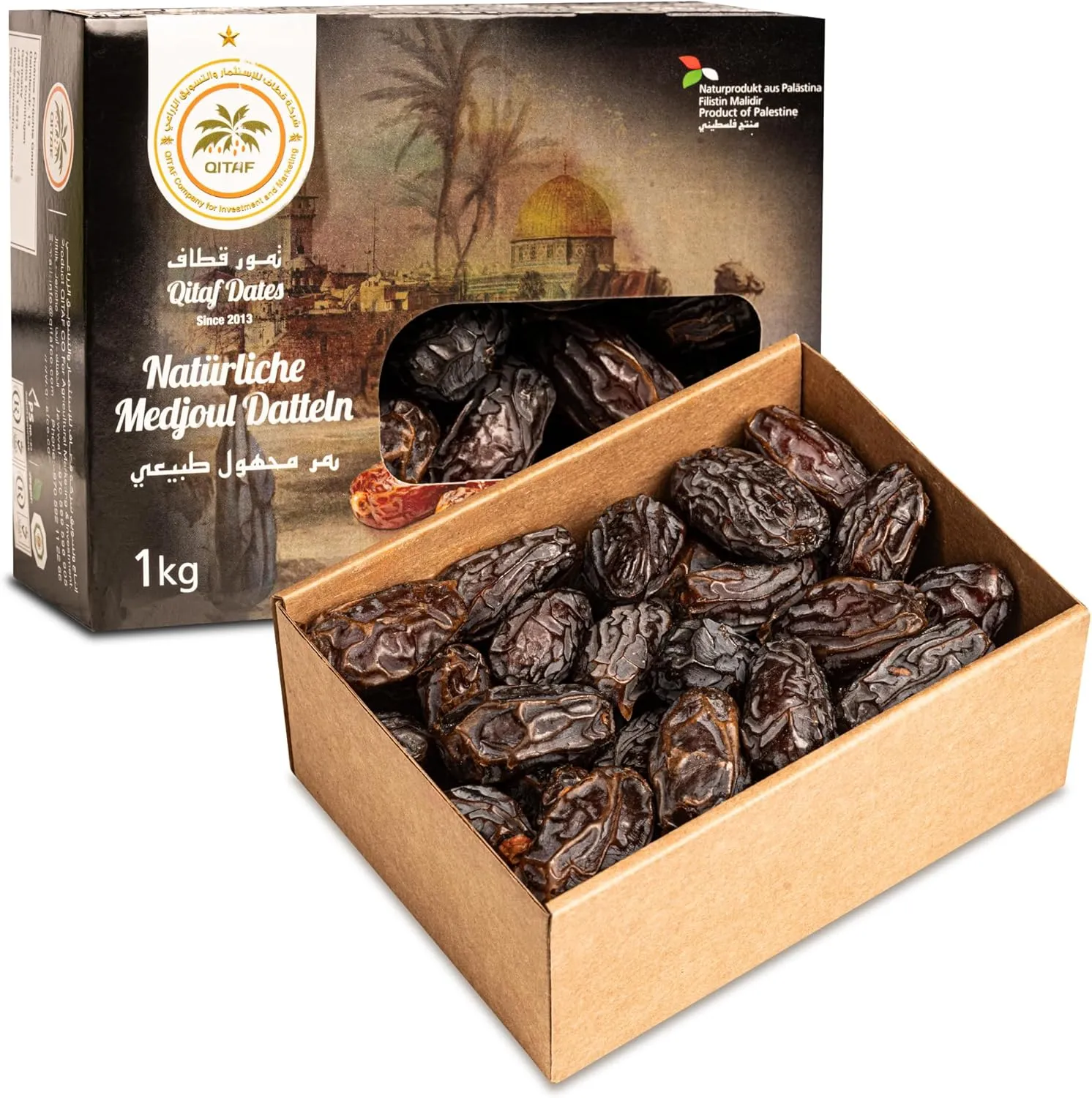
The classic among runners looking for natural alternatives. One large Medjool date delivers around 18 g of carbohydrates and has a soft texture that is easy to chew. Advantage: extremely high caloric density in a small volume. Disadvantage: they stick together and to everything when it is hot. Tip: wrap them individually in aluminium foil.
Dried apricots
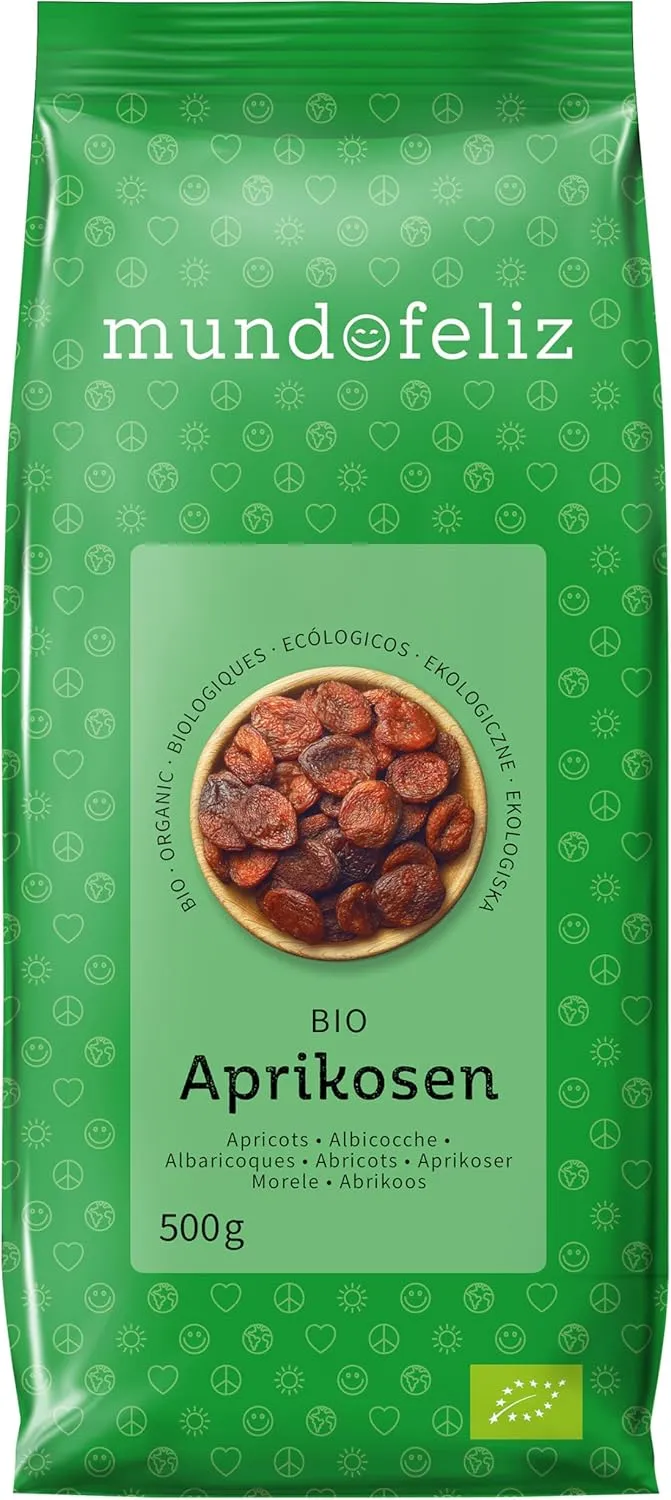
Dried apricots deliver around 10 g of carbohydrates per piece, plus natural potassium that helps with cramps. They are light, do not melt and need no special wrapping. Disadvantage: the fibre in apricots can cause GI discomfort if you eat too many at once. Limit to 3-4 per intake.
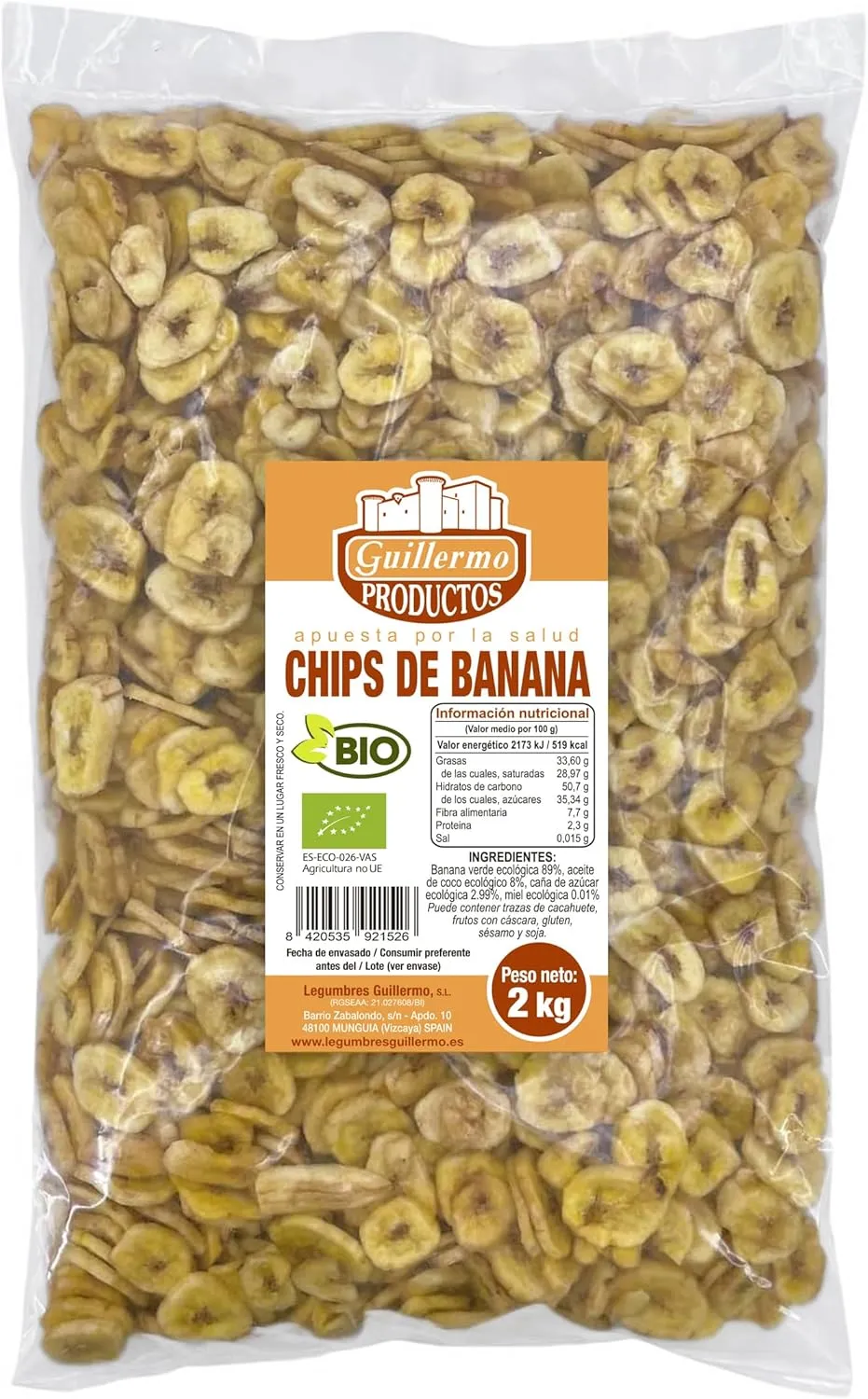
Dried banana chips
Crunchy banana chips are compact, lightweight and deliver carbohydrates plus potassium. Advantage: easy to eat even while running. Disadvantage: lower caloric density than dates — you need more for the same energy input.
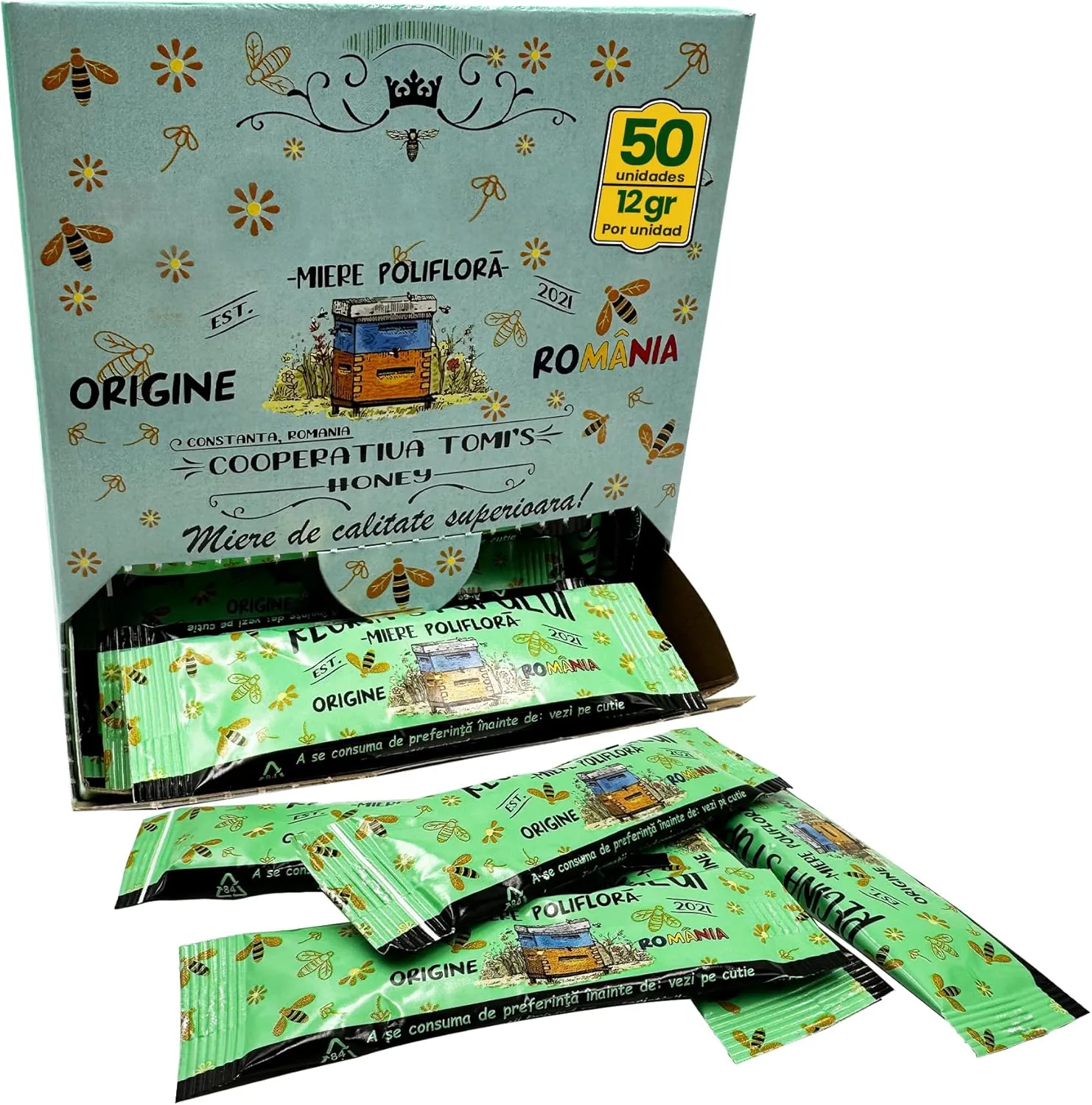
Honey sticks
Single-dose tubes of pure honey. You open them with your teeth and take them like a liquid gel, but 100 % natural. Advantage: absorption as fast as a gel, no artificial ingredients. Disadvantage: the rigid tube can poke the inside of your vest pocket.
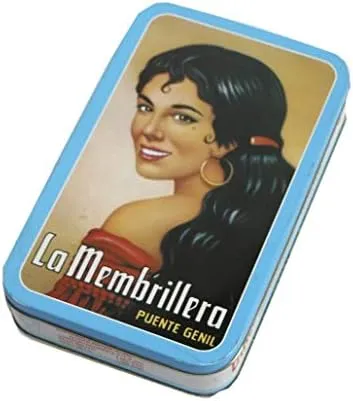
Quince paste
Quince paste (membrillo) cut into cubes works similarly to guava bars: solid, sweet, compact. Easy to find in any Spanish supermarket. Disadvantage: you need to cut it yourself and put it in small bags — it does not come in individual portions.
Quick comparison
| Alternative | Carbs per serving | Portability | Ease of opening | Gastric tolerance | Price |
|---|---|---|---|---|---|
| Guava bar | ~20 g (26 g) | Excellent | Very easy | High | Very low |
| Medjool date | ~18 g (1 pc) | Good (sticky) | No wrapper | High | Medium |
| Dried apricots | ~10 g (1 pc) | Excellent | No wrapper | Medium (fibre) | Low |
| Dried banana chips | ~12 g (handful) | Good | No wrapper | High | Low |
| Honey stick | ~17 g (12 g) | Good | Easy | High | Medium |
| Quince paste | ~18 g (30 g) | Good | Needs prep | High | Low |
| Energy gel | ~21 g (sachet) | Excellent | Easy | Low-medium | High |
When gels still make sense
Natural alternatives do not replace gels in every scenario. Gels remain the best choice when:
- You are running at high intensity and cannot chew: a liquid gel takes 5 seconds without breaking stride.
- You need caffeine: many gels include 25-40 mg of caffeine. No natural alternative delivers it as conveniently.
- Your stomach can no longer handle solids: in the final hours of an ultra, the stomach sometimes only accepts liquids. That is where gels win.
- You want precision: if you follow a nutrition plan with exact grams of carbohydrates per hour, gels let you control intake to the milligram.
The smart strategy is not choosing one or the other, but combining both. Use natural alternatives as your base during easy sections (climbs, power hiking) and switch to gels when you need speed of absorption or you are on technical terrain where chewing is not viable.

How to organise mixed nutrition in your vest
If you are going to combine natural foods and gels, how you organise your vest makes a difference:
- Front pockets: gels and anything you need quick access to without stopping.
- Side or rear pockets: guava bars, dates, apricots — what you will eat on the climbs.
- Drop bag: restock natural foods at aid stations. Only carry in your vest what you need until the next aid station.
- Test everything in training: the golden rule of race nutrition. Never try a new food on race day.
Wrapping up
Energy gels are a tool, not the only tool. Guava bars, dates, dried apricots and other natural options offer a cheaper, tastier and more stomach-friendly alternative for many runners.
The key is to test during training, find what your body tolerates and arrive at race day with a nutrition plan that combines the best of both worlds. Your stomach — and your wallet — will thank you.
To plan the nutrition for your next race, check our nutrition recommendations for trail running and use the nutrition and hydration calculator.