Chafing in trail running: the critical zones nobody tells you about
The problem nobody talks about at the start line
There are trail running injuries that runners share with pride: the ankle sprain on a technical descent, the 3-day soreness after 3,000 meters of elevation, the black toenail from an ultratrail. But chafing? Chafing is suffered in silence.
And yet, chafing is one of the most common reasons for dropping out of long races. Not because it’s medically serious, but because of cumulative pain. A chafe that starts as mild discomfort at km 10 becomes raw, bleeding skin at km 40. And at that point, every step is agony.
The worst part? Most runners don’t talk about where exactly it happens to them. This article does.

What is chafing and why trail running makes it worse
Chafing occurs when skin repeatedly rubs against another surface: another area of skin, a seam, a strap, a fabric. That constant friction destroys the outer layer of the epidermis, causing redness, burning, and in severe cases, bleeding.
Chafing exists in road running, but in trail running it’s more frequent and more aggressive due to three factors:
- Multi-directional movement: on roads, the running motion is repetitive. On trails, you climb, descend, jump, duck, and turn. Each change in gradient shifts your clothing and pack differently against your skin.
- Sweat + salt + time: trail races are longer. More hours sweating = more salt crystals on the skin = more abrasion. Salt acts like microscopic sandpaper between your skin and fabric.
- Extra gear: hydration pack, folded poles, stashed windbreaker, flasks. All of it moves, rubs, and presses against your body for hours.
The 7 critical zones nobody tells you about
This is where this article gets real. We’re not going to talk about chafing in general. We’re going to talk about the specific zones that runners discover (painfully) during their first long race.
1. Nipples
The most taboo zone and one of the most common, especially in men. The shirt rubs against the nipples with every stride. In a 5-hour race, that’s over 30,000 rubs. The result: raw nipples, sometimes bleeding through the shirt.
Why it happens more in men: women typically wear a sports bra that covers and protects the area. Men have the shirt directly against the nipple with no barrier.
Prevention:
- Medical tape or circular band-aids over each nipple before starting (the most reliable solution)
- Anti-chafe balm applied generously
- Shirts with no seams in the chest area
2. Inner thighs
The chafing hotspot. Thighs rub against each other with every step, and sweat turns friction into abrasion. Runners with more muscular thighs suffer more, but it happens to everyone beyond a certain distance.
Warning signs: unusual warmth in the area starting around km 15-20. If you feel that warmth, you’re already too late to prevent it — apply balm immediately.
Prevention:
- Short or long compression tights (eliminate skin-on-skin contact)
- Anti-chafe balm applied before starting and carried in your pack for reapplication
- Avoid loose shorts without a liner
3. Armpits
The side seams of your shirt run right through the armpit. Your arm swings thousands of times, the area sweats heavily, and the seam cuts like microscopic fishing line. With trekking poles, arm movement is amplified.
Prevention:
- Shirts with flatlock seams or seamless armhole construction
- Anti-chafe balm on the entire armpit area
- Avoid cotton shirts (they retain moisture and multiply friction)
4. Under the chest (women)
The lower band of a sports bra is a critical zone. The combination of constant pressure + sweat + movement creates semicircular chafe marks that can bleed during long races.
Prevention:
- Sports bras with silicone-grip bands (prevents shifting)
- Anti-chafe balm along the entire band line
- Test your sports bra on long training runs before race day
5. Lower back and hips (pack waistbelt line)
The waistbelt of your hydration pack rubs against the skin of your lower back and hips. The weight of water (1-2 liters) amplifies the pressure, and sweat pooling on your back turns the zone into chafing territory.
Prevention:
- Adjust your pack properly (the waistbelt should sit on the iliac crests, not on soft skin)
- Fitted technical base layer between skin and pack
- Anti-chafe balm on the lower back area for races over 3 hours
6. Between the glutes
Another zone nobody discusses. On long races with heavy sweating, the skin in the gluteal fold suffers maceration (softening from moisture) and friction. The result is an extremely painful chafe that makes every step miserable.
Prevention:
- Seamless technical underwear or tights with a flat chamois
- Anti-chafe balm applied generously to the area
- Talcum powder or anti-moisture powder as an alternative to balm
7. Neck and collarbones (pack straps)
Pack straps cross over the trapezius muscles and near the neck. On long climbs, the weight pulls backward and the straps dig into the skin. If your shirt shifts, the contact is direct strap-to-skin.
Prevention:
- Packs with padded mesh straps
- Buff or neck gaiter as protection if the pack chafes
- Adjust strap length so weight distributes between chest and back
Risk table: when each chafe zone activates
| Zone | Risk starts at… | Main factor | Who suffers most |
|---|---|---|---|
| Nipples | 15-20 km | Shirt + sweat | Men |
| Thighs | 20-25 km | Skin on skin | Everyone |
| Armpits | 25-30 km | Seams + poles | Pole users |
| Under chest | 15-20 km | Bra band | Women |
| Lower back | 20-30 km | Pack waistbelt | Heavy packs |
| Glutes | 30+ km | Moisture + friction | Long races |
| Neck/collarbones | 20+ km | Pack straps | Heavy packs |
Prevention: the 3 anti-chafe pillars
Pillar 1: anti-chafe balm
The star product against chafing. An anti-chafe balm creates a protective layer on the skin that reduces friction without blocking perspiration. The difference from petroleum jelly: modern balms are less greasy, don’t stain clothes, and last longer.

How to apply:
- Before getting dressed, on clean, dry skin
- Generously: better too much than too little
- On all risk zones, even if “it’s never happened there before” (chafing appears without warning)
- Carry the stick in your pack to reapply at aid stations from km 25 onward
What about petroleum jelly? It works, but has drawbacks: it’s greasier, stains clothes, dissolves faster with sweat, and can clog pores. For short races (under 20 km), it’s a budget-friendly option. For ultras, a dedicated balm is worth the investment.
Pillar 2: seamless technical clothing
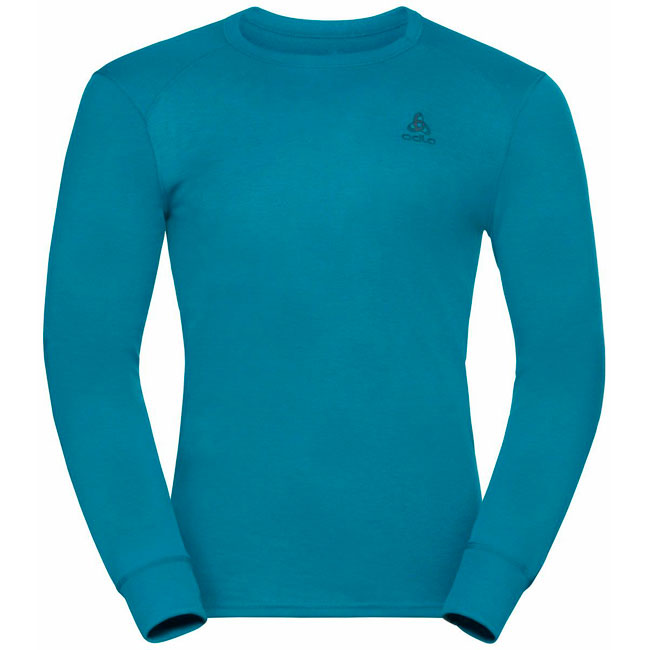
Your clothes are your second skin for hours. If that second skin has rough seams, moisture-retaining fabrics, or a fit that allows excessive movement, your skin pays the price.
What to look for in an anti-chafe shirt:
| Feature | Why it matters |
|---|---|
| Flatlock seams | Eliminate the edges that cut into skin |
| Breathable technical fabric | Wicks sweat, reduces salt on the surface |
| Snug fit without compression | Minimizes fabric movement against skin |
| No interior labels | Labels chafe the lower back/neck area |
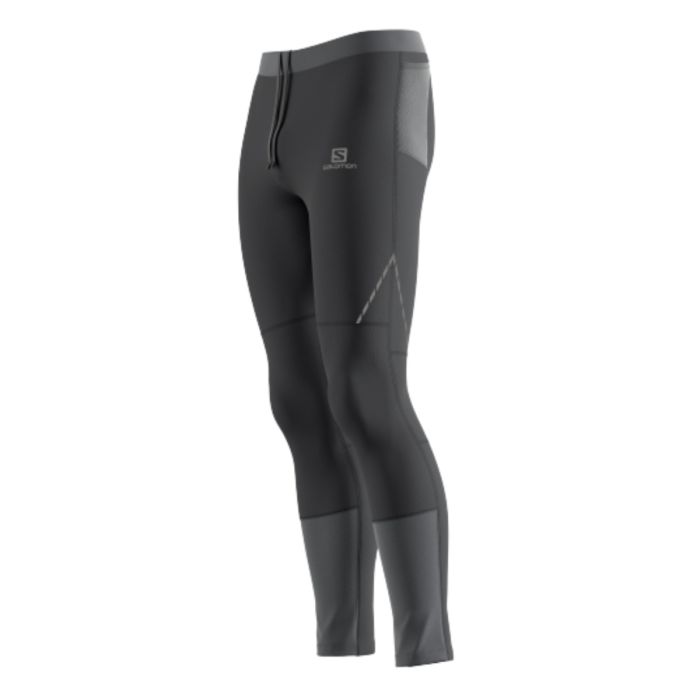
For the lower body: compression tights are superior to loose shorts for preventing thigh and glute chafing. Compression keeps the fabric against the skin, eliminating skin-on-skin friction.
Pillar 3: complementary strategies
- Tape on nipples: the most reliable solution for men. Microporous medical tape cut into circles. Apply on dry skin. Cheap, light, foolproof.
- Anti-moisture powder: talcum or specific powders for areas like the groin and glutes where moisture is the main issue.
- Pack adjustment: spend 10 minutes adjusting your pack with actual race load. Straps should be firm without digging. Waistbelt over bone, not soft skin.
- Test runs: never debut clothing or a pack on race day. Do at least 2-3 long training runs (>2 h) with the exact race setup.
What to do if you already have chafing
During the race
- Act early: as soon as you feel unusual warmth or burning, stop at the next aid station. Waiting always makes it worse.
- Clean the area: clean water, no rubbing. Pat dry gently.
- Apply anti-chafe balm: generously on the affected zone. It won’t heal the chafe, but it reduces friction to stop it getting worse.
- Protect with a dressing: if the skin is broken, a hydrocolloid dressing prevents clothing from rubbing directly.

After the race
- Shower with lukewarm water (not hot), without rubbing the area. Mild soap.
- Air dry or pat gently with a clean towel.
- Repair cream: products with panthenol, aloe vera, or centella asiatica speed up skin regeneration.
- Loose cotton clothing (yes, now it’s cotton’s time): so the skin can breathe with no pressure on the area.
- Don’t run until the skin has fully healed: chafing on top of unhealed chafing is an open wound that can become infected.
Anti-chafe plan: pre-race checklist
1 week before:
- Train with the exact race gear (clothing, pack, flasks)
- Identify friction zones and mentally mark them
The night before:
- Prepare the anti-chafe balm and leave it with your bib
- Cut tape strips for nipples (if applicable)
- Check that clothing has no damaged seams or loose labels
Race morning:
- Apply balm on all risk zones on clean, dry skin
- Tape nipples
- Put the balm stick in your pack for reapplication
- Final pack adjustment with actual race load
During the race:
- Reapply balm every 2-3 hours or at each major aid station
- At any sign of unusual warmth, act immediately
Chafing is prevented, not cured
If there’s one takeaway from this article, it’s this: chafing is fought before you leave home, not at km 30. Once the skin starts suffering, you can only limit the damage. But with the right balm, the right clothes, and 5 minutes of preparation, you can run 100 km without a single chafe mark.
Don’t let a problem this easy to prevent ruin the race you’ve been training for all year.
Planning your next mountain race? Check our Pack 360 guides with all the recommended gear, including anti-chafe products specific to each race. And for more practical tips, explore the trail running blog.