Altra Lone Peak 9 review: 500 km in natural footwear on trail
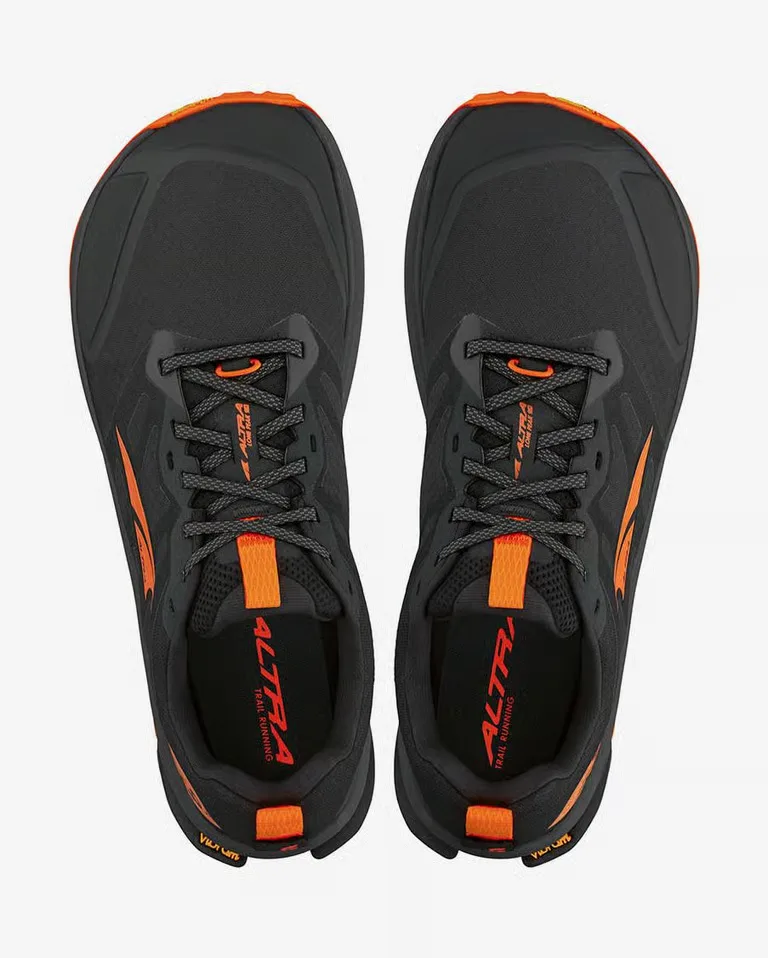
The Altra Lone Peak 9 has been on my feet for over 500 km across all kinds of trails. Zero drop, wide toe box and 25 mm of cushioning: a combination that makes them one of the best natural footwear options for trail running on non-technical terrain. In this review I share how they perform in practice, who they’re for, and which accessories are worth adding.
What is natural footwear and why does it matter for trail?
Natural footwear (also called respectful footwear) refers to shoes that respect the natural anatomy of the foot instead of squeezing it into a narrow last with an elevated heel. The three pillars are:
- Zero drop (0 mm): no height difference between heel and forefoot. The foot lands naturally, engaging intrinsic foot muscles and promoting a more efficient stride.
- Wide toe box: toes have room to splay with every step, improving stability and propulsion.
- Controlled flexibility: the sole allows the foot to adapt to the terrain without excessive rigidity.
This is not the same as extreme minimalism. The Lone Peak 9 packs 25 mm of cushioning, so we’re not talking about running barefoot. It’s a pragmatic middle ground: you respect foot biomechanics without giving up the protection that trail demands.
The conventional footwear industry has spent decades narrowing shoes and elevating heels. This forces heel striking, compresses toes and weakens foot musculature over time. Natural footwear reverses that trend.
Specs: Altra Lone Peak 9
| Specification | Value |
|---|---|
| Drop | 0 mm |
| Stack height | 25 mm |
| Weight (men’s) | 315 g |
| Weight (women’s) | 263 g |
| Lugs | 3.5 mm (MaxTrac) |
| Last | FootShape (wide) |
| Upper | Breathable mesh, seamless |
| Approximate price | ~140 EUR |
My experience: 500 km later
First impressions
The first thing you notice when putting on the Lone Peak 9 is the room in the toe box. Coming from conventional shoes (Salomon, Hoka, Nike), the feeling is total freedom for your toes. At first it may seem like too much space, but once you start running you understand why: toes splay, grip the ground and you gain stability.
Take the first 50 km easy if you’ve never run in zero drop. Your calves and Achilles tendon work differently and need time to adapt.
Terrain where they shine
The Lone Peak 9 excels on:
- Forest tracks and wide paths: their natural habitat. Enough cushioning for long distances and plenty of traction.
- Compact dirt trails: the 3.5 mm lugs grip well without being aggressive.
- Long-distance paths and fast hiking: the comfort of the wide toe box pays off on long efforts.
- Mixed terrain with some tarmac sections: the EGO midsole absorbs impact well on hard surfaces.
Terrain where they struggle
They’re not the ideal shoe for:
- Deep mud: the shallow lugs clog up quickly.
- Wet rock: the MaxTrac sole slips on smooth, wet surfaces.
- Very technical terrain: if your route has lots of loose stone, exposed rock or ridge scrambling, you need something with more grip and lateral support.
Durability
After 500 km the outsole holds up well. Lugs are worn in the forefoot area but still functional. The upper mesh shows no tears. That’s a reasonable durability level for a trail shoe in this price range.
Who they’re for (and who should avoid them)
Ideal for:
- Runners with wide feet, bunions or hammer toes
- Those looking to transition to natural footwear from conventional drop shoes (the 25 mm cushioning eases the adaptation)
- Non-technical trails: forest tracks, dirt paths, long-distance routes, fast hiking
- Medium to long distances on soft or mixed terrain
- Runners who prioritise long-term foot health over pure performance
Not recommended for:
- Very technical or rocky terrain (3.5 mm lugs insufficient)
- Deep mud or consistently wet conditions
- Skyrunning or mountain races with lots of rock and technical elevation
- Runners who need strong lateral support (severe overpronation without prior adaptation)
The zero-drop transition: practical guide
If you’re coming from shoes with 8-12 mm drop (most Salomon, Hoka, Nike models), don’t switch to 0 mm overnight. The most common mistake is putting on a pair of Altras and heading out for a 20 km run on day one. The result: overloaded calves and Achilles tendon.
Recommended transition plan
- Weeks 1-2: use the Lone Peak 9 only for walking and short runs (5-8 km). Alternate with your usual shoes.
- Weeks 3-4: increase the share of zero-drop runs. Add a medium-length run (12-15 km) if you feel fine.
- Weeks 5-8: transition fully. Listen to your body: if you notice Achilles or calf discomfort, scale back and alternate.
- After the second month: you should be fully adapted. Calves will have strengthened and your stride will feel more natural.
The key is patience. Your feet need to readapt to mechanics that the shoe industry took away years ago.
Socks: the accessory that makes a real difference
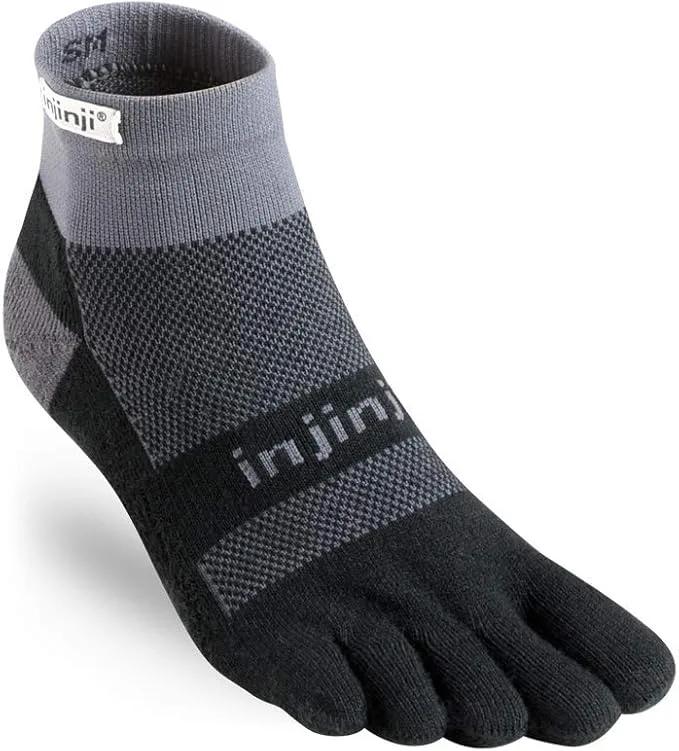
With a toe box as wide as the FootShape, socks matter more than usual. Five-toe socks are the natural complement: they eliminate toe-on-toe friction (the main cause of interdigital blisters) and make the most of the toe box space.
Premium pick: Injinji Trail Midweight Crew
The benchmark in toe socks for trail. Breathable CoolMax fabric, crew height to protect ankles, and strategic reinforcements. If you invest in natural footwear, it makes sense to complete the setup with socks that match.
Budget pick: OrrinSports
If you want to try toe socks without a big investment, OrrinSports offer a solid alternative with good value for money. Perfect for deciding whether you like the format before committing to Injinji.

Foot protection and care
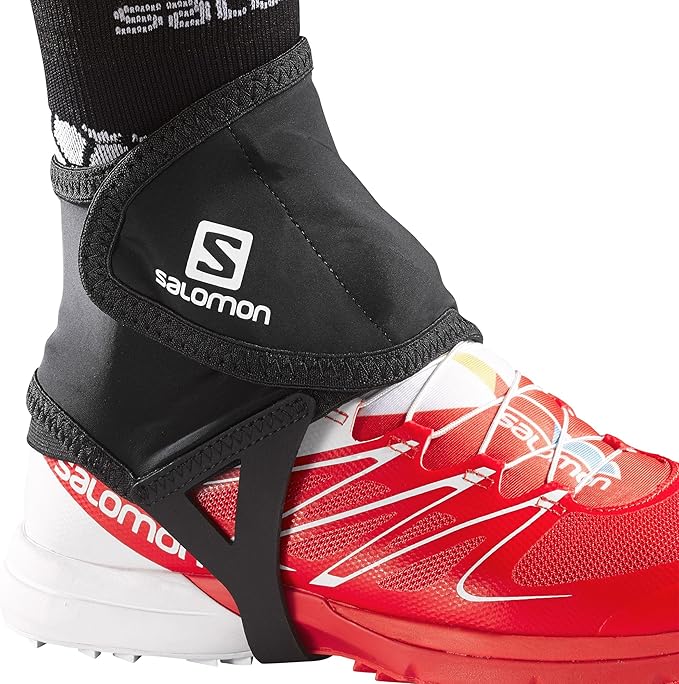
Gaiters: keep rocks and sand out
On trails with gravel or sand, gaiters prevent small stones from getting inside your shoe. With the Lone Peak 9 this is especially useful because the breathable mesh, while comfortable, doesn’t fully filter fine debris.
Anti-chafe: essential during the transition
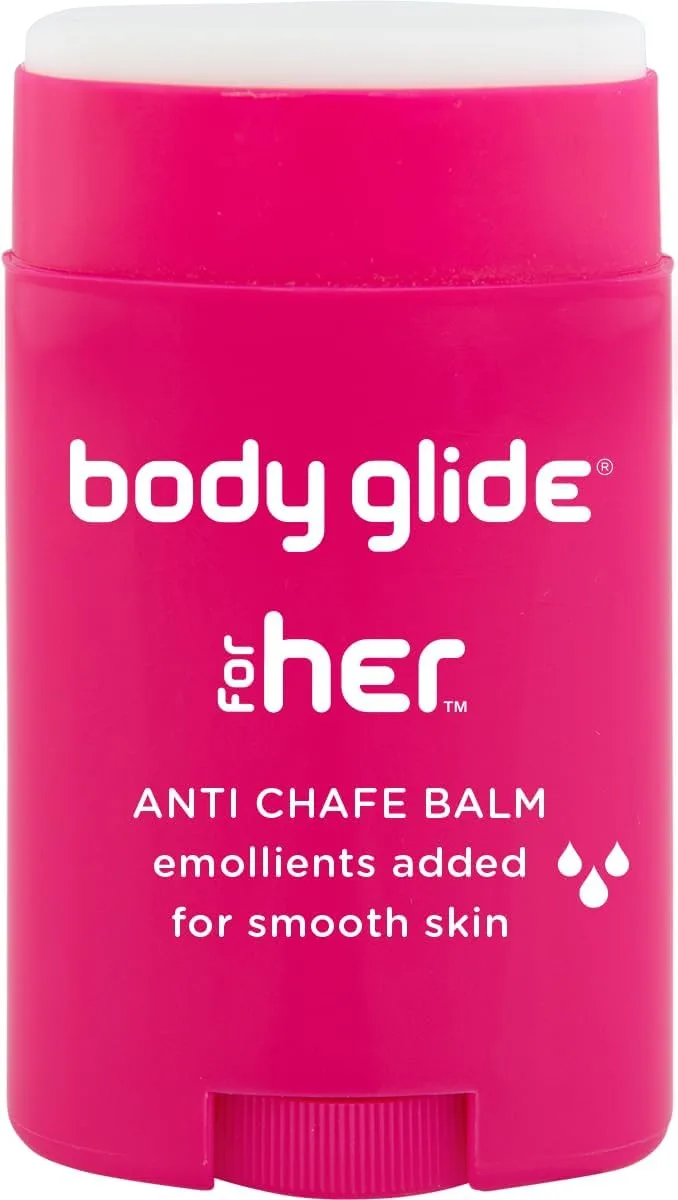
During the zero-drop transition, your foot moves differently inside the shoe. Pressure zones shift and you may get chafing in areas that were previously fine. An anti-friction balm applied before running prevents most issues.
And if blisters do appear despite precautions, hydrocolloid plasters are the most effective solution to keep running pain-free.

Altra Lone Peak 9 vs Salomon Speedcross 6: two philosophies
Two excellent shoes representing opposite philosophies. There’s no better or worse: there are different needs.
| Altra Lone Peak 9 | Salomon Speedcross 6 | |
|---|---|---|
| Drop | 0 mm | 10 mm |
| Last | Wide (FootShape) | Narrow-medium |
| Lugs | 3.5 mm (MaxTrac) | 6 mm (Contagrip) |
| Weight | 315 g | 310 g |
| Cushioning | 25 mm (EGO) | 32 mm (EnergyCell+) |
| Ideal terrain | Non-technical trails, forest tracks, long-distance paths | Mud, technical terrain, rock |
| Philosophy | Natural footwear, biomechanical respect | Maximum grip and protection |
When to choose the Lone Peak 9? When you run on soft trails, prioritise foot health and want a more natural experience.
When to choose the Speedcross 6? When terrain dictates: mud, wet rock, technical races where you need aggressive grip and support.
Ideally, own both and choose based on the day’s terrain. If you can only buy one, think about where you run 80% of the time.
If you’re interested in the Speedcross, we break it down in our best trail running shoes 2026 comparison.
Verdict: is the Altra Lone Peak 9 worth it?
Yes, with nuance. The Lone Peak 9 is an excellent shoe for non-technical trail and as a gateway to natural footwear. The combination of zero drop, wide toe box and 25 mm cushioning is hard to find from any other brand.
After 500 km, I can say they’ve changed the way I understand trail running. My feet are stronger, my stride is more efficient, and the knee pain I used to get with high-drop shoes has disappeared.
If you regularly run on forest tracks, dirt trails or long-distance paths, and you want to look after your feet long-term, they’re an investment worth making.
Have questions about foot care on the trail? Read our guide on blister prevention and trail running socks.